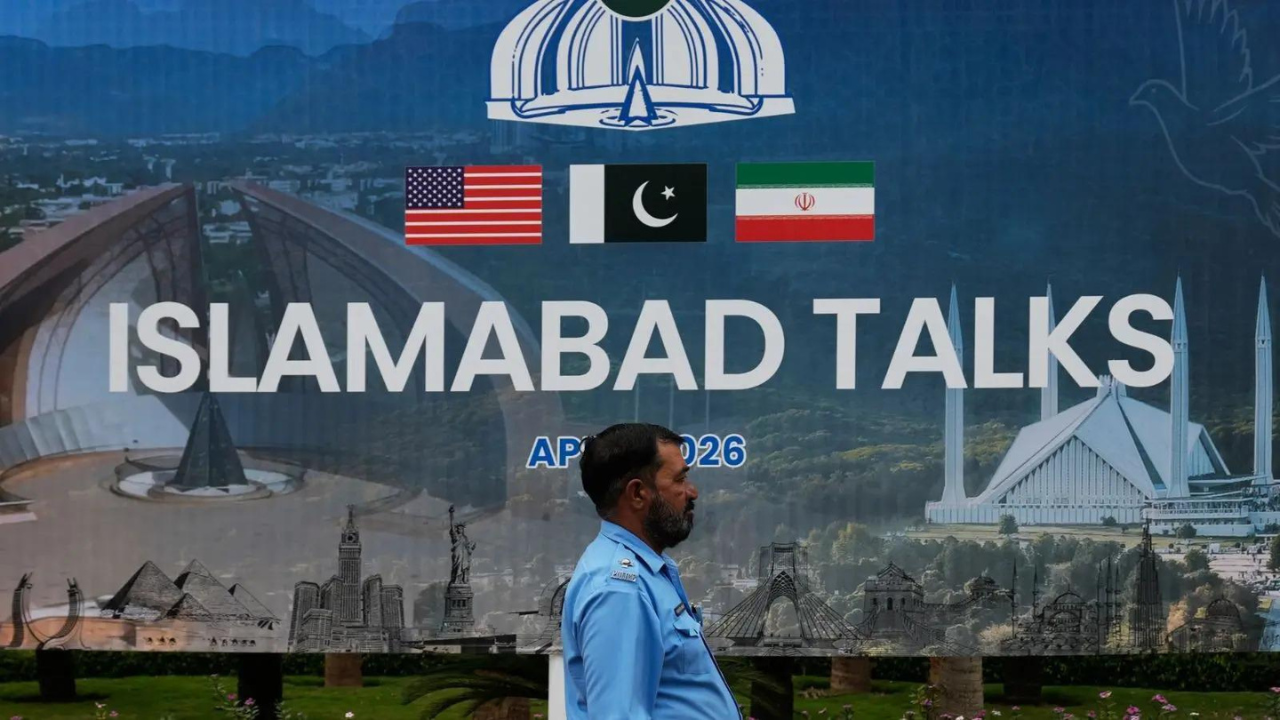
The United States and Iran appear to be edging towards a second round of high-stakes negotiations, even after a marathon session in Islamabad failed to produce a breakthrough. Officials from Washington, Tehran and regional intermediaries suggest that while deep differences remain, neither side considers the process over.
Early discussions are underway on the timing and venue of a fresh round, with Islamabad and Geneva emerging as leading options, as per a report by new agency AP. President Donald Trump has also signalled that contact continues, saying Iran has reached out and “wants to work a deal”. Six weeks of conflict have disrupted global energy flows and raised fears of further escalation.
Second round gathers momentum
Efforts to organise a second round of talks are gaining traction, with Pakistan once again positioning itself as a key mediator, news agencu AP reported. Officials familiar with the discussions say Islamabad has proposed hosting negotiations within days, ideally before the ceasefire deadline.
While details remain fluid, multiple locations are under consideration. Islamabad is seen as a practical choice given its role in brokering the initial ceasefire, though Geneva is also being discussed as a neutral alternative.
Mediators continue efforts
With the ceasefire deadline approaching, the next few days are likely to be decisive. Mediators from Pakistan, Turkey and Egypt are continuing efforts to narrow differences and prepare the ground for renewed negotiations, as per a report by Axios.
There is also the possibility of extending the ceasefire if progress is made, giving both sides more time to negotiate. US officials have indicated they are prepared to move quickly if Iran signals readiness to engage on key demands.
Public messaging suggests cautious optimism. “The door is not closed,” one regional source told Axios, while a US official noted there is still “forward motion” towards an agreement.
Key sticking points remain
At the heart of the impasse are longstanding disputes over Iran’s nuclear programme and broader regional security issues. The United States continues to insist that Iran must end uranium enrichment, dismantle key facilities and relinquish its stockpile of highly enriched material.
Tehran, however, has refused to abandon enrichment entirely, framing it as a sovereign right. Iranian negotiators instead proposed a temporary suspension, reportedly suggesting a shorter timeframe than Washington is willing to accept. This gap remains one of the most difficult to bridge.
Sanctions relief is another major obstacle. Iran is seeking the lifting of both primary and secondary sanctions, as well as access to frozen assets. The US position has been more conditional, tying economic relief to verifiable nuclear concessions.
Beyond the nuclear file, disagreements also extend to the Strait of Hormuz and regional security guarantees. Iran wants assurances against future military action, while the US is pushing for broader commitments, including limits on Tehran’s regional influence.
Pressure tactics and the blockade
The diplomatic push is unfolding alongside increased pressure from Washington, most notably through a naval blockade targeting Iranian ports. US officials describe the move as part of a broader strategy to force concessions at the negotiating table.
The blockade is aimed in part at countering Iran’s leverage over the Strait of Hormuz, a critical route for global oil supplies. By restricting Iran’s exports, the US hopes to weaken Tehran’s economic position and push it towards compromise.
However, the strategy carries risks. Analysts warn that Iran may be able to withstand the pressure for several weeks, particularly after recent oil shipments boosted its financial reserves. There are also concerns about escalation, as the blockade exposes US forces to potential retaliation in a volatile region.
What happened in Islamabad
The first round of talks in Islamabad stretched over 21 hours and marked the highest-level engagement between the two sides in decades. Despite moments of progress, the negotiations ultimately ended without agreement.
Accounts from those present describe a tense and complex process. Delegations operated from separate areas, with mediators shuttling between them. At several points, there were signs of a breakthrough, with some sources suggesting the sides came close to a framework understanding. However, disagreements resurfaced quickly, halting momentum.
US Vice President JD Vance, who led the American delegation, later said “we made a lot of progress” and noted that Iran had “moved in our direction, but they didn’t move far enough”. Iranian officials, meanwhile, argued they had negotiated in good faith and accused Washington of shifting its demands at a critical moment.