A man on trial for an Isis terror attack that killed 30 British tourists assaulted a judge in the courtroom with his own gavel.
Adel Ghandri, 33, appeared in a Tunisian court on Tuesday alongside several other suspects, all accused of participating in a deadly raid on the border town of Ben Guerdane in 2016. The attack involved more than 40 Tunisian militants, who had crossed the border from Libya and tried to size the town and create an Islamic emirate.
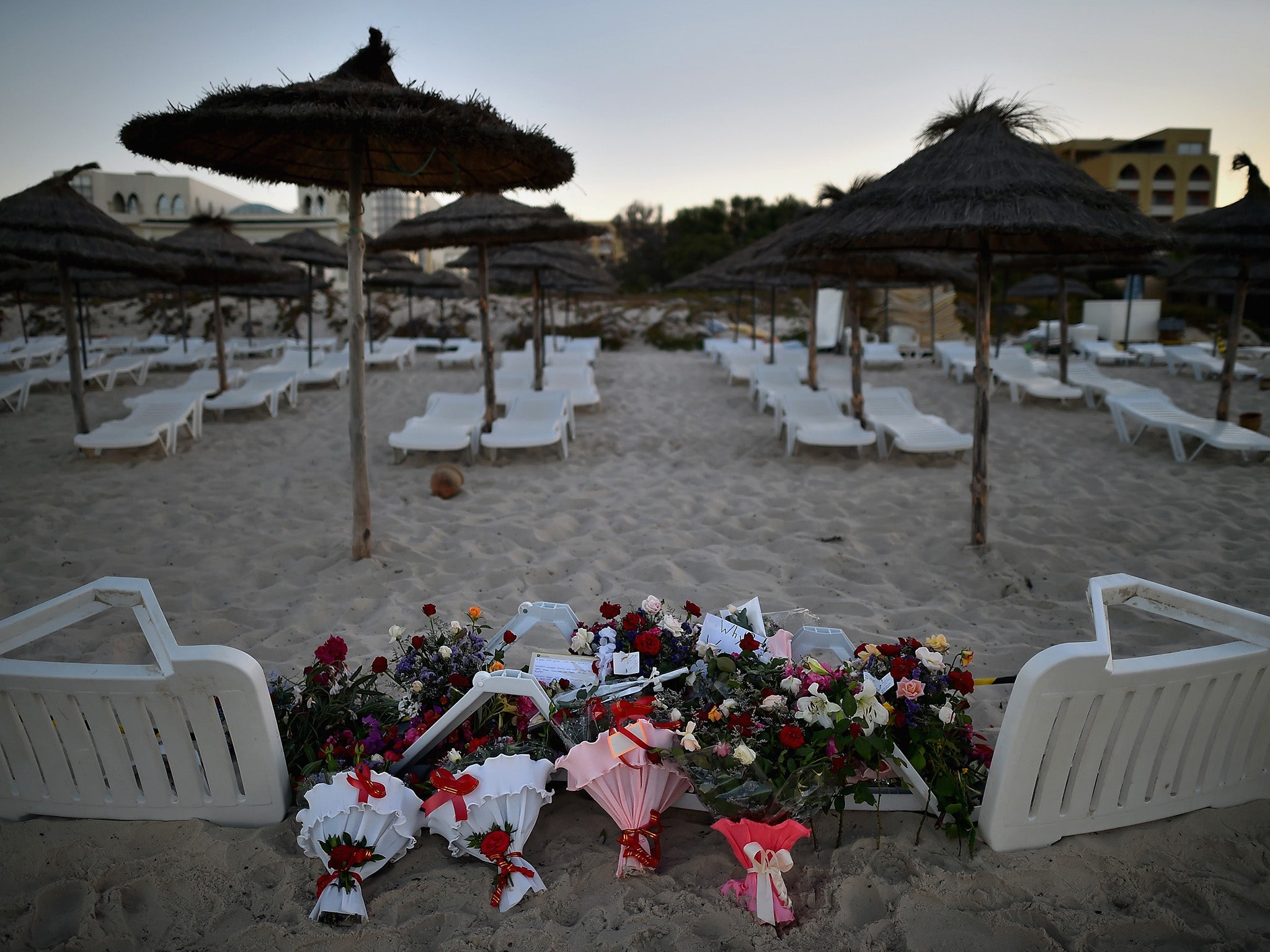
Ghandri is also suspected of playing a role in the 2015 gun attack on Sousse beach, Tunisia, that killed 30 British tourists, and nine others. Both attacks were claimed by Isis.
Tunisia’s military judiciary said Ghandri seized the gavel from the judge’s bench and hit him on the head. It did not say whether the judge was injured.
Despite a successful transition to democracy, Tunisia has struggled to deal with homegrown jihadist militants.
In 2011, a successful revolution saw the overthrow of long-term dictator president Zine el-Abidine Ben Ali and a transition to democracy. It has often been referred to as the Arab Spring’s only success story.
But it has also earned the dubious title of being the biggest exporter of jihadists per capita in the world. The UN estimates that some 5,500 Tunisians left the country to join Isis and al-Qaeda in Syria, Iraq and Libya. The revolution did not bring economic change, and so jihadist recruiters found fertile ground in a young and impoverished population.
By comparison, UK intelligence services estimate that around 900 Britons left for Syria, with around 40 per cent returning. Most have been placed on government rehabilitation schemes, while only a handful have faced prosecution.
The country’s already overcrowded prisons are filling up with convicted terrorists. The president, Beji Caid Essebsi, has in the past floated the idea of a pardon for returning jihadists, but the idea was met with fierce opposition and protests.