Any military success in Syria will unravel because of the new territory Britain is helping to create for Isis who have taken advantage of the instability and wide-spread civilian destruction caused by months of a Saudi-led bombing campaign in Yemen, according to senior Foreign Office lawyers and former diplomats.
In echoes of the warnings issued to Tony Blair’s government ahead of the war in Iraq, advisers to the Foreign Secretary, Philip Hammond, are increasingly questioning the legality and the consequences of a no-questions-asked policy of selling specialist missiles to Saudi Arabia.
Since March this year a Saudi-led coalition of Sunni Gulf states has bombed Yemen and imposed a blockade of its ports. The Saudis want to dislodge Houthi rebels and return Yemen’s exiled president, Abd-Rabbuh Mansur Hadi, to power.
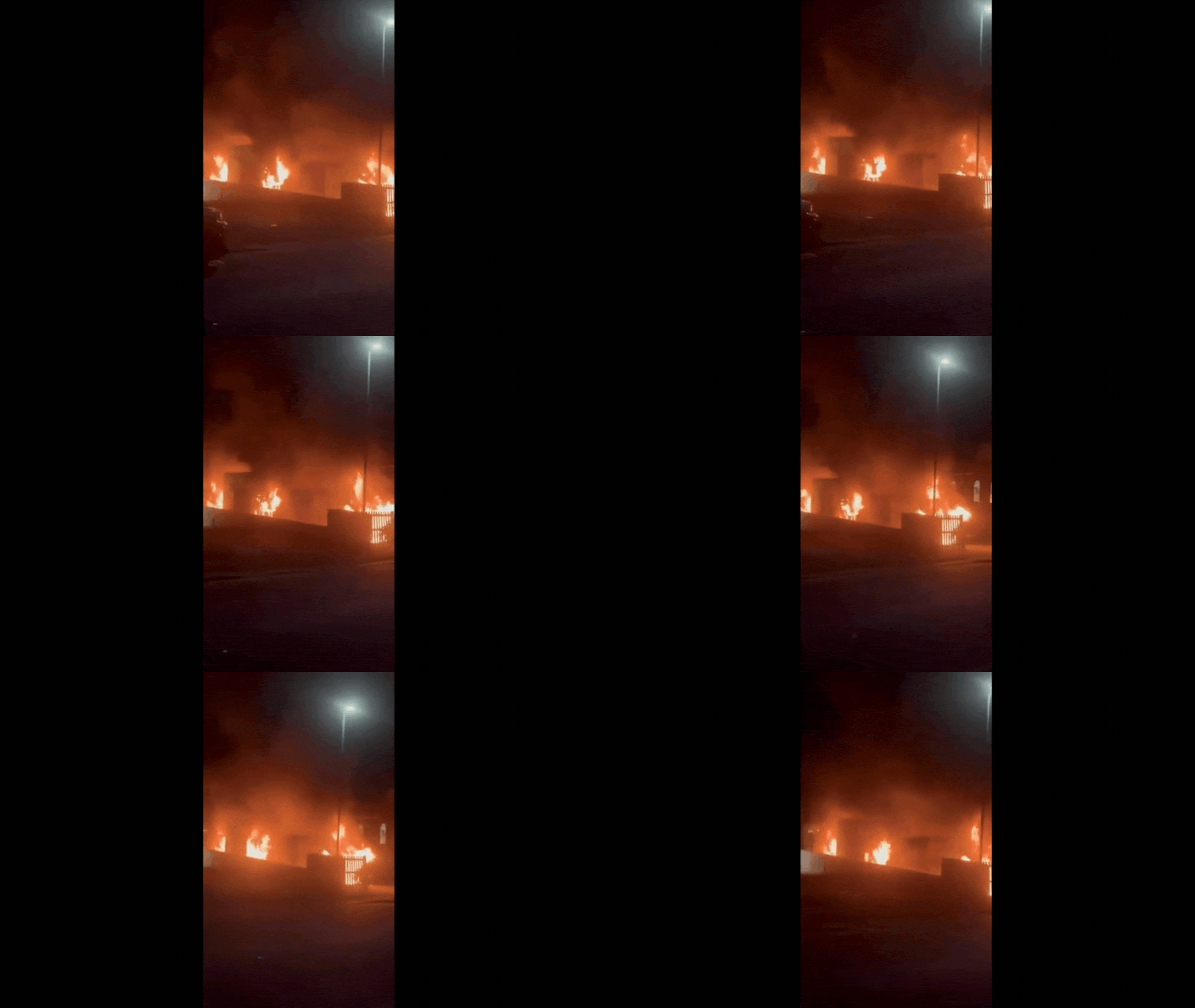
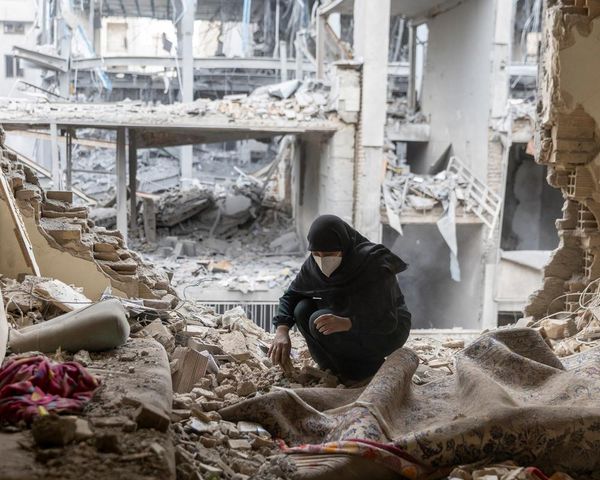
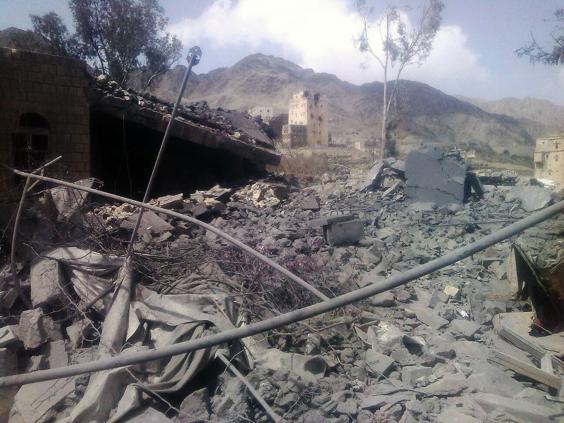
Thousands of civilians have been killed and hundreds of thousands injured by indiscriminate bombing. The destruction of schools, hospitals and key non-military infrastructure has created a humanitarian catastrophe the United Nations say is now close to famine.
Frances Guy, a former British ambassador in Yemen, told The Independent : “The famine and the humanitarian situation is tragic. But we should be talking about Yemen in the context of security; asking where is the next place that Isis will go after any success by the United States, France, and now the UK, in Syria. The answer is Yemen. Isis are already strong there. Because of the instability in Yemen, we have already created the next space for Isis, for those displaced in Syria. This is where they will retire to.”
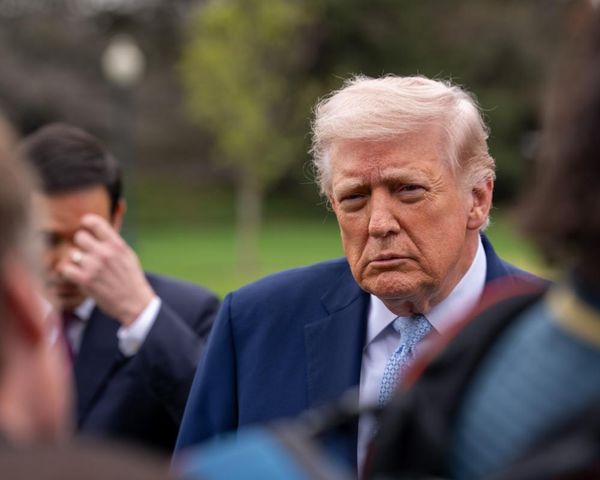
Ms Guy’s assessment directly challenges the assurance given to MPs earlier this week by the Prime Minister that air strikes against Isis in Syria will “make us safer.”
David Cameron told the Commons that Britain has to take military action against Isis in its Syria heartland. A vote to extend the current bombing in Iraq to IS targets inside Syria is expected within a week. However there has been little evaluation of the consequences of the bombing, how success will be measured, and whether IS fighters will simply move on to another unstable country, such as Yemen.
Although Downing Street has backed comments by the French defence minister, Jean-Ives le Drian, that the RAF should take the fight “to the very heart of Isis”, FCO lawyers are concerned that any British involvement in a war in Syria will inevitably throw the spotlight on new areas of IS influence, such as Yemen, including the legality of UK arms sales.
One senior FCO legal adviser said : “Yemen could be described as a forgotten or sidelined conflict. There is a growing sense inside the FCO that we need a course-correction on this. There are elements of a proxy war, with the Saudis believing Iran is backing and is behind the relative success of the Houthi rebellion. The Foreign Secretary has acknowledged that some weapons supplied by the UK have been used by the Saudis in Yemen. Are our re-assurances correct - that such sales are within international arms treaty rules? The answer is sadly not clear. “
Asked by The Independent if the government regarded relations with the Saudis as too important to risk by asking awkward questions about the bombing of Yemeni civilian targets , one FCO adviser would only say : “There are many Elizabeth Wilmshursts around here at the moment. Not all are being listened to.”
In 2003 Elizabeth Wilmshurst, a deputy legal adviser at the FCO, resigned after questioning the legality of the Iraq war without a defined resolution from the UN.
Oliver Sprague, Amnesty International’s arms trade director said : “There is a blatant rewriting of the rules inside the FCO at the moment. We are not supposed to supply weapons if there is a risk they could be used to violate humanitarian laws and the international arms trade treaty – which we championed. It is illogical for Philip Hammond to say there is no evidence of weapons supplied by the UK being misused, so we’ll keep selling them to the point where we learn they are being used. “
The majority of Saudi munitions are being supplied by the United States. With help from the UK, the US is also providing logistical support, airborne refueling, with a specialist Pentagon-approved team providing targeting intelligence.
This month the Obama administration authorised a $1.29 billion Saudi request to replenish stocks of specialist missiles.
With Al Qeda’s Yemeni franchise, AQAP, also taking advantage of the civilian instability caused by the Saudi-led bombing campaign, some Washington consultants have said the “neocon playbook is back in play”, with the scale of the US support designed to minimise any Saudi criticism of the recent US-brokered nuclear deal with Iran.
Amnesty and other NGOs, including Human Rights Watch (HRW) say there is no doubt that UK and US munitions are being used in the Saudi-led bombing campaign in Yemen and that Britain is risking being charged with war crimes.
In July, Britain authorised the transfer of Paveway IV guided missiles from the RAF to Saudi Arabia. The MoD gave the green light for the UK and Saudi to switch of positions on an order book from the arms manufacturer, Raytheon UK.
The contract, worth close to £200 million, secured hundreds of bombs for the Saudi air force for the next two years. The Raytheon precision missiles are used by both the RAF and their Saudi counterparts on fighter jets supplied by BAE-Systems by such as the Typhoon and Tornado.
The move ensured that the Saudis, who have been carrying out multiple daily bombing raids on targets inside Yemen over the past nine months, would not run out of these heavily used precision weapons.
This week both Amnesty and HRW issued new evidence based on their own field research, which claimed that a factory in the Sana’a governate not involved in any military production, was destroyed by a UK-made cruise missile.
David Mepham, the UK director of HRW, said a GM-500 air-launched missile made by the UK firm, Marconi, had destroyed the factory and left a civilian worker dead. He said this was only the latest “multiple well-documented case of violations of the laws of war by the Gulf coalition in Yemen. UK ministers have consistently refused to acknowledge this.”
A new report by the medical aid organisation, Medecins SansFrontieres (MSF) describes Yemen as a “country under siege” where bombs have fallen on hospitals and schools and malaria and malnutrition is out of any control. Last month the World Health Organisation condemned the bombing of an MSF hospital in Saada province in northern Yemen.
The next UN humanitarian assessment of Yemen is expected to state that close to 5,000 civilians have been killed with close to 25,000 wounded since the beginning of the Saudi-led campaign against the Houthis.
The UN estimate that 21 million people are now without basic life-sustaining services, with over 1.5 million displaced. Unicef estimate that as many as 10 children a day are being killed, with 6 million people severely food insecure. The World Food Programme says the majority of Yemeni provinces have been classified at only one level below a full famine crisis.
Afzal Ashraf, a senior tutor at the defence think-tank, the Royal United Services Institute (RUSI) told The Independent that Mr Cameron’s claim to have a “comprehensive approach” to the Syria crisis was suspect. He said : “All we have had is calls for more use of air power.”
Mr Ashraf said the blockade of Yemeni ports, the sealing of borders by Saudi security forces, and the humanitarian suffering of in Yemen were all “fuel for the growth of already entrenched extremist movements.”
He added : “This conflict has allowed Al Qaeda to capture territory in Yemen, including a military base and a port. That is unprecedented. It has also allowed Isis’ local affiliate to grow in Yemen. While the Yemeni conflict will excellent for the UK’s flagging weapons-based economy, it will not be good for the UK’s security.”