
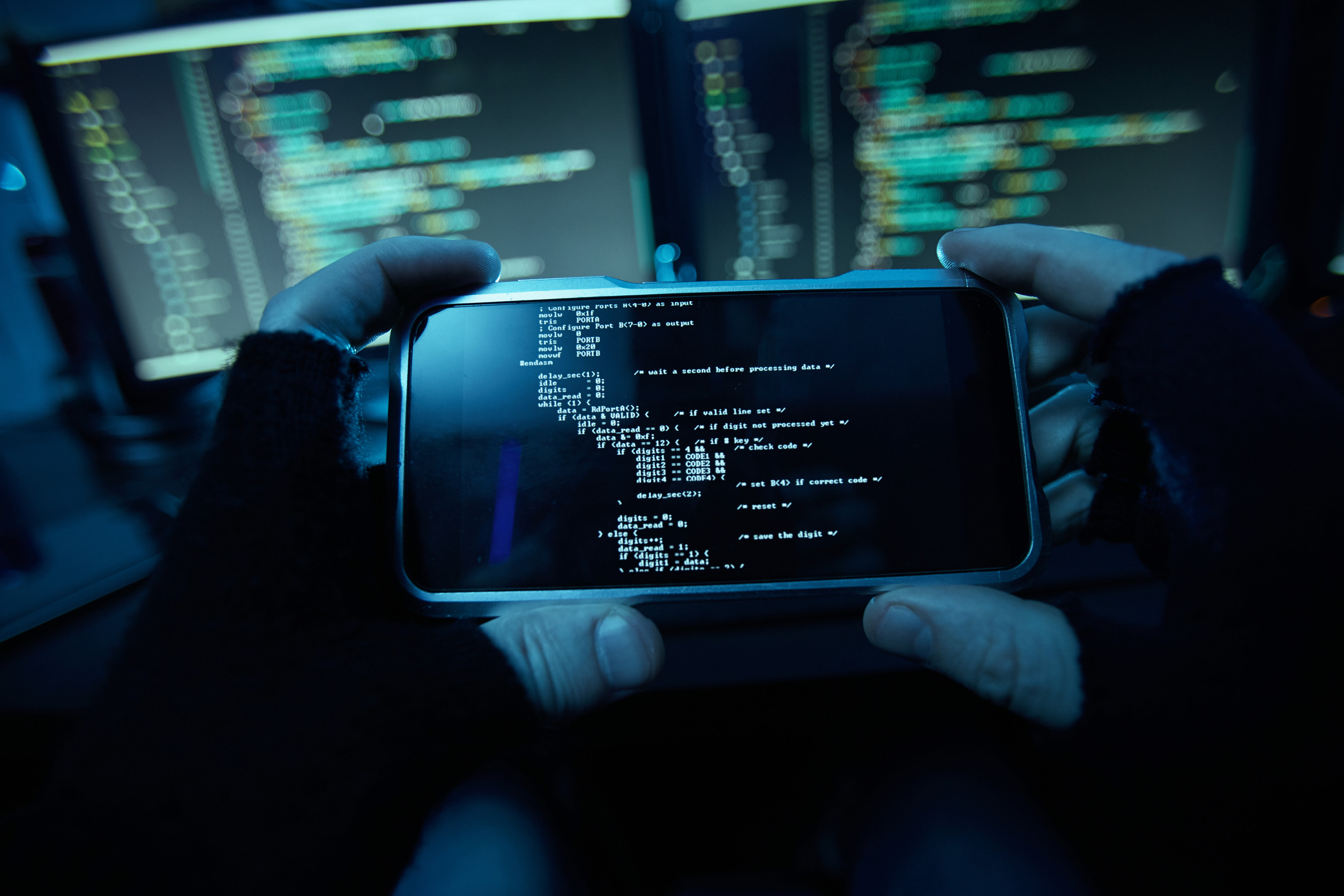
Smartphones have become the central hub of modern life. Retirees use them for banking, shopping, health apps, and even storing passwords. But this convenience comes with hidden dangers. Hackers and scammers can sometimes pull enough data from a single phone to open a credit line in your name. The question isn’t whether your phone is vulnerable—it’s how much you’re unknowingly giving away.
Stored Personal Data Becomes a Treasure Trove
Phones store contacts, addresses, emails, and saved logins. Retirees often underestimate how much personal detail sits in apps. A single breach can expose enough for identity thieves to apply for loans or credit cards. What feels like a tool for convenience doubles as a digital vault. The more stored data, the bigger the target.
Text Messages and Two-Factor Codes Are Targets
Many financial institutions send one-time passcodes via text for security. But if scammers gain access to your phone through SIM swapping or malware, they can intercept these codes. Retirees who rely on text-based security may be at risk. Two-factor authentication is only safe if the device itself is secure.
Public Wi-Fi Adds Extra Risk
Logging into banking apps or shopping sites on public Wi-Fi creates vulnerabilities. Hackers can intercept data in transit, including usernames and passwords. Retirees connecting at cafes, airports, or libraries may unknowingly hand thieves access. Public networks are often where credit-line thefts begin. Security starts with avoiding open signals.
Apps That Over-Collect Data
Some apps demand permissions far beyond their purpose—like flashlight apps requesting access to contacts. Retirees who accept without reviewing settings risk exposing sensitive details. Over-collecting apps are goldmines for data brokers and thieves alike. A quick permissions audit reduces exposure dramatically.
Cloud Backups Aren’t Foolproof
Cloud storage feels safe, but breaches happen. If phones sync personal documents or IDs to the cloud, hackers may target that instead. Retirees who back up everything without encryption increase their risks. The cloud extends the phone’s vulnerability beyond the device itself. Secure backups require extra layers of protection.
Phone Numbers Are Keys to Identity
A phone number often serves as an identifier for banks, email, and accounts. Scammers who hijack numbers through SIM swaps gain access to multiple services at once. Retirees who treat numbers as harmless don’t realize their power. A phone number can unlock more than just calls and texts.
How Scammers Stitch It All Together
Identity theft rarely comes from one piece of data alone. Instead, thieves combine fragments—like addresses, texts, and account numbers—into a full profile. Phones provide most of these fragments in one place. Retirees carrying digital lives in their pockets are especially exposed. Convenience can turn into vulnerability overnight.
Why Protecting Phones Protects Credit
Phones aren’t just communication tools—they’re identity keys. Retirees who secure devices with strong passwords, avoid public Wi-Fi, and review app permissions reduce risks dramatically. Leaving phones unprotected is like leaving financial files unlocked. Protecting the device means protecting your credit. Vigilance today prevents expensive cleanup later.
Do you regularly review your phone’s security settings—or are you trusting that apps and networks will keep your data safe?
You May Also Like…
- 9 Ways You’re Being Tracked Just By Owning a Smartphone
- 7 Apps That Look Harmless But Drain Your Personal Data
- What Happens When You Forget to Log Out of Your Banking App?
- Why Are Retirees Deleting Banking Apps After Recent Updates?
- 13 Passwords You Should Never Use Because Every Hacker Knows Them Already