Employee turnover is often associated with low pay, high workloads, external opportunities, or work-life balance challenges. However, HR managers should be aware that company culture can be a primary factor, with 46% of UK employees reporting they have worked in or are working in a toxic environment.
Toxic company cultures are likely to include:
- Poor management: Managers who micromanage, show favouritism, or aren’t supportive.
- Lack of psychological safety: Teams that are afraid to share their feedback or concerns with managers.
- Unrealistic workloads: Rewards for working overtime rather than for working well or being given tight deadlines.
- Bullying: Belittling language, passive-aggressive behaviour, or inappropriate jokes and comments.
- Lack of appreciation: Hard work goes unnoticed, no reward or recognition programs in place, or team success is only attributed to managers.
- Blurred work-life balance: Expectation to respond outside of work hours or guilt for taking annual leave or sick days.
- Unfair treatment: Promotions based on politics rather than performance or different rules for different people.
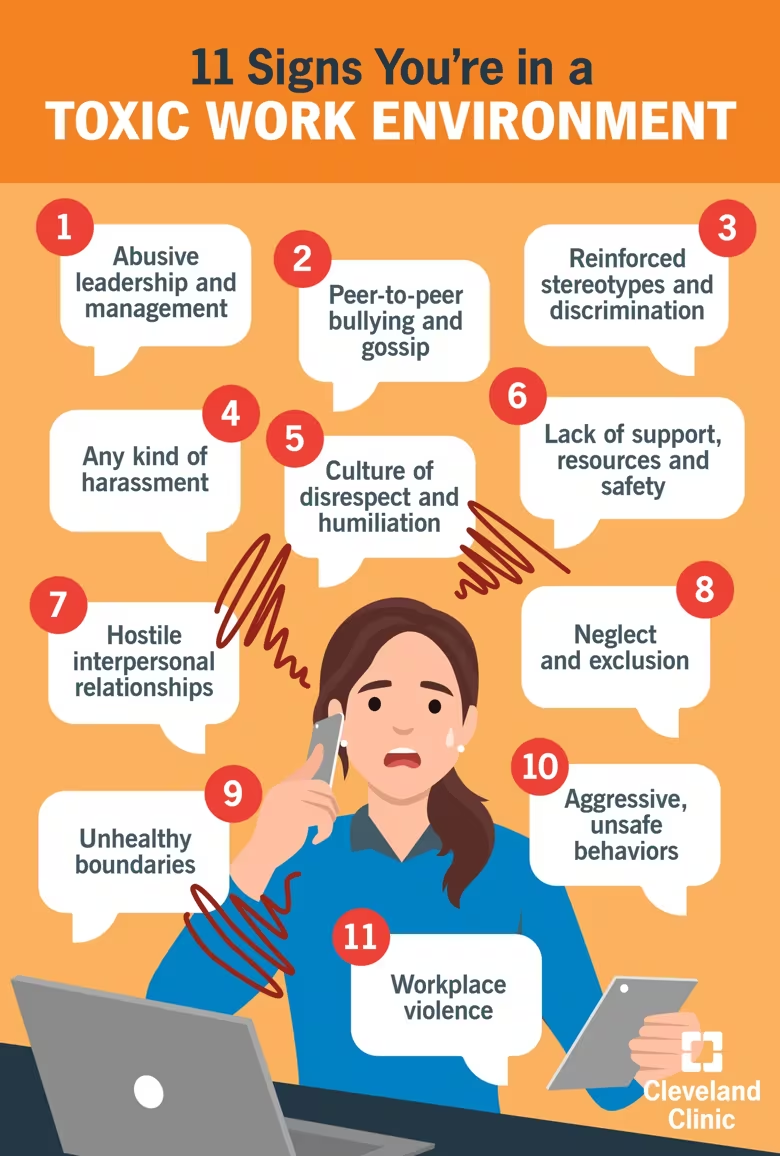
(Image Source: Cleveland Clinic)
Companies that fail to address culture issues early will risk losing top talent, and replacing these employees is expensive, time-consuming, and disruptive to productivity.
This article explores five essential ways to enhance your company culture before it starts to drive your employees away.
Train Your Managers
Culture flows from the top. When managers lack training, they may create environments where employees feel undervalued, micromanaged, or unsupported. HR managers should train team managers and those in leadership roles to:
- Spot burnout and stress: Help managers identify warning signs, be aware of available wellbeing resources, and encourage healthy boundaries.
- Follow cultural expectations: Give managers clarity on what the culture should be like. For example, if the company expects weekly one-to-one reviews, ensure your managers know how and when to check in with their teams.
- Improve their people skills: Provide training in emotional intelligence, active listening, and constructive feedback to help managers handle difficult conversations.
Encourage Feedback
Collecting feedback signals that managers value the employee experience, which creates trust, improves communication, and helps organisations address issues before they turn into turnover.
Anonymous feedback ensures all voices are heard and protects those who may fear the consequences. Here are some reasons why anonymity is important:
- Anonymous feedback reveals problems employees wouldn’t raise publicly, such as issues with management
- Employees are more likely to be truthful
- Anonymous channels help give junior or underrepresented employees an equal voice
Recognise and Reward Fairly
Fair recognition programs reduce bias and ensure rewards are available to all employees, regardless of their role, background, or hierarchy. When recognition is fair, consistent, and transparent, employees believe their effort and results are genuinely valued by the company.
Employees who feel seen and appreciated are more engaged and more likely to stay, as it supports a culture of inclusion and belonging. Here are some ways HR managers can ensure their reward and recognition programs are fair to all:
- AI-powered recognition programs: AI-powered HR tools can track data such as project completion, collaboration metrics, peer feedback, and goal achievement.
- Peer-to-peer recognition: Allowing employees to recognise their colleagues reduces favouritism from managers.
- Transparent recognition programs: When everyone has clear expectations about how recognition and rewards are earned, it removes uncertainty and reduces bias. This increases trust in the company and the system.
Prioritise Wellbeing
It is important to show your employees that their well-being matters. This builds trust between employees and managers, which encourages people to speak up, share their ideas, and raise concerns.
If well-being isn’t prioritised, employees may become stressed or experience burnout, which fuels frustration, conflict, and withdrawal.
Wellbeing should be integrated into everyday HR practices, not treated as a one-off initiative.
Here are some ways HR managers can prioritise employee wellbeing:
- Set realistic workloads and consistently review them to prevent burnout.
- Train managers to recognise early signs of burnout or stress, so they can have supportive conversations with their teams.
- Encourage boundaries by limiting after-hours communication and ensuring employees use their annual leave.
- Offer employees access to health and well-being initiatives, such as online therapy or free gym passes.
Make Sure Company Culture Doesn’t Drive Employees Away
A healthy company culture doesn’t just reduce turnover; it creates an environment where everyone feels valued, engaged, heard, and motivated to work hard.
For HR managers, the key is early action and intervention. Training your managers to support their teams, using fair and unbiased reward and recognition programs, prioritising wellbeing, and encouraging open feedback with anonymity can ensure your company culture doesn’t drive employees away.