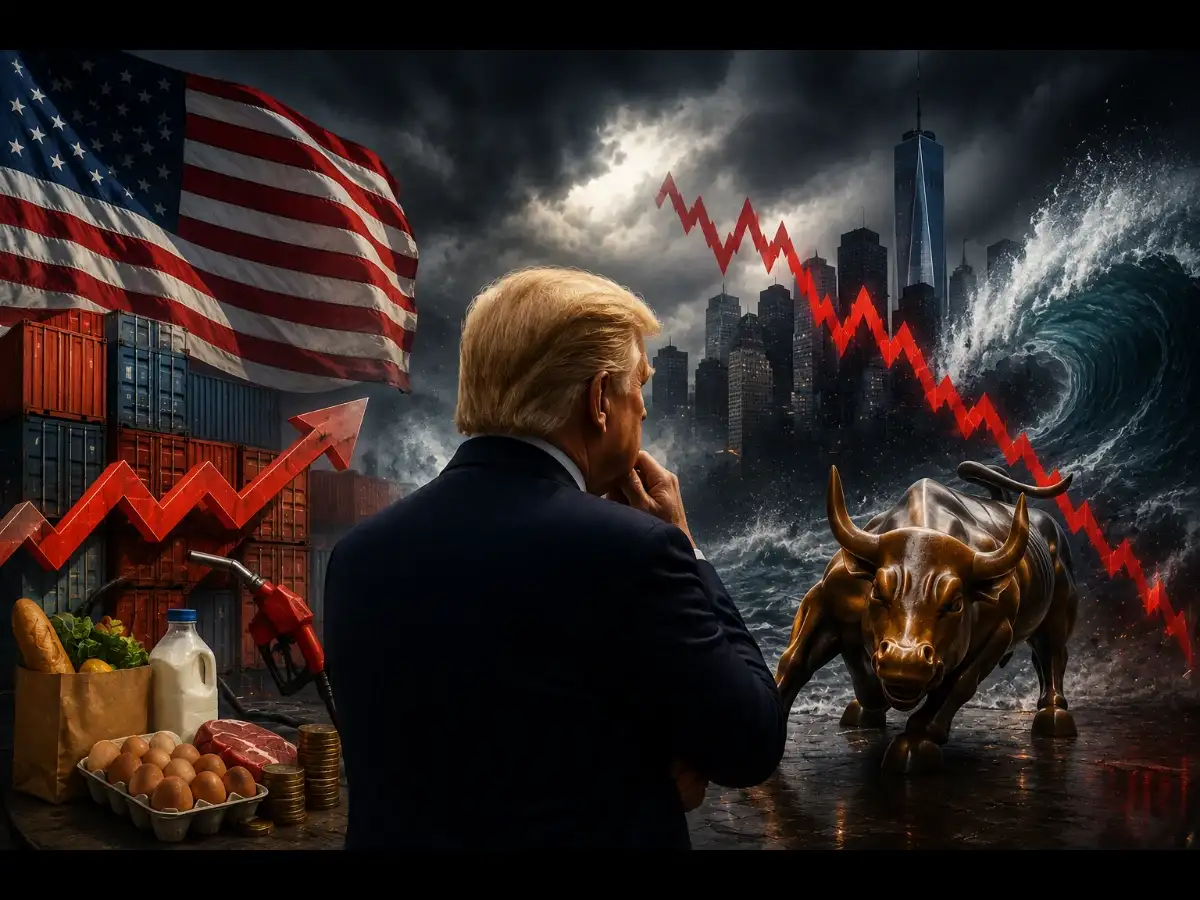
Wall Street's record rally is facing a fresh risk from inflation, with US economic policy uncertainty and the artificial intelligence boom adding pressure on prices just as US stocks trade near all-time highs. The main worry among market participants is what investors are calling 'Trumpflation', that is price pressures linked to trade, energy and foreign policy proposals.
The Dow Jones, S&P 500 and Nasdaq Composite have hit record levels this year, helped by strong corporate earnings and investor excitement around artificial intelligence. But inflation concerns have resurfaced, raising fear that the Federal Reserve may have to keep policy tight or even raise rates again.
Inflation had cooled earlier, but trailing 12-month inflation rose from 2.4% in February to 4.2% in May before easing to 3.5% in June, helped by lower crude oil and fuel prices. However, the broader inflation picture remains sticky. Core personal consumption expenditure inflation, which excludes food and energy, slipped only slightly to 3.3% in June from 3.4% in May.
The Federal Reserve Bank of Cleveland's Inflation Nowcasting tool indicates core PCE could remain around 3.3% in July. That is still above the Fed's 2% inflation target.
Tariffs, geopolitical risks and AI add pressure
Part of the inflation pressure is linked to proposed and ongoing tariff policies. Tariffs can raise costs for companies that import goods and components. Some of these costs are absorbed by businesses, but a part is often passed on to consumers.
The second source of pressure is energy market volatility following Middle East geopolitical tensions. Higher energy costs can raise transport, manufacturing and food costs across the economy.
The third source is artificial intelligence. AI has been the biggest driver of market enthusiasm this year, but it may also be adding to inflation.
In the minutes of the Federal Open Market Committee's June meeting, policymakers said core goods inflation had risen from a year earlier, partly reflecting tariffs and AI-related pricing pressures.
This is an uncomfortable mix for markets. The same AI boom that is lifting technology stocks may also be adding to price pressure through higher demand for chips, servers, power, data centres and related infrastructure.
Rate-hike risk returns
The risk for stocks is not just inflation itself; the bigger risk is the Fed's response. If inflation stays above target, the central bank may be forced to hold rates higher for longer or raise them again. Higher interest rates usually hurt equity valuations because they make future earnings less valuable and increase the appeal of bonds and cash.
At the July 28-29 FOMC meeting, three of the 12 voting members dissented in favour of a quarter-point rate hike. That was the first time since September 2016 that three policymakers dissented in the same direction.
Bond markets are also sending a warning. Yields on long-term Treasury bonds, including the 10-year and 30-year, have climbed significantly.
That suggests investors are not fully convinced inflation is under control.
Market rally looks vulnerable
The stock market has often climbed through bad news, and long-term investors have seen US indexes recover from many shocks. But the near-term setup is less comfortable. Valuations are high, margin debt has risen, and AI stocks have led a powerful rally. Tariffs and energy risks remain unresolved while bond yields are rising, leaving little room for disappointment.
(Disclaimer: Recommendations, suggestions, views and opinions given by the experts are their own. These do not represent the views of The Economic Times)