
For as long as I’ve been writing about interiors, timeless style has been seen as the holy grail – the promise that if you choose the right colors and the right pieces, your home will somehow endure. But lately, I’ve found myself wondering: is timeless style actually a lie?
Because if everything eventually dates, and trend cycles continue to move faster than ever, is there actually such a thing as a timeless interior design style? Or are our homes just ending up carbon copies of one another in a bid to make them feel 'classic' and forever stylish?
It's a big question. So, to help me answer it, I put the question directly to interior designers. Here's everything they had to say.
Is Timeless Interior Design Actually a Lie?
The problem with timeless decorating ideas isn’t actually the idea itself; it’s how literally we’ve come to interpret it. Too often, timelessness is treated as an aesthetic unto itself, yet even the most beloved design classics were once of their time.
As designer Marie Flanigan puts it, 'Timelessness isn’t a lie, but it is often misdefined.' Somewhere along the way, 'timeless' interior design style became a shorthand for safe, neutral, and fairly personality-less decor.
Jennifer Davis from Davis Interiors agrees, adding: 'I don’t think timeless style is a lie, but I do think it’s often misunderstood.'
'Timelessness isn’t about freezing a space in one era or avoiding personality,' she explains. 'It’s about proportion, restraint, and respect for classic forms. That frame is what holds everything together.'
'What we think of as 'timeless' actually refers to styles that have simply come back into vogue,' designer Bethany Adams adds. 'Every finish or material will eventually fall out of fashion – especially those that are brand new inventions at the time of installation – the question is whether or not they will come back around, and if it's worth waiting before you consider renovating.'
This misunderstanding often shows up in the way we try to replicate timelessness through a set design formula. Problems arise when timeless style is reduced to a checklist of familiar 'classic' choices.
As Kailee Blalock of House of Hive Design Co. notes, 'everything will date eventually if it’s treated like a formula. True timeless style comes from character and quality rather than copying a trend disguised as classic,' she continues.
What endures, Marie Flanigan agrees, is not a specific look but a 'philosophy rooted in restraint, proportion, and craftsmanship. Everything will inevitably reflect the era in which it was created, and when executed correctly, these choices are what give a home character, not what dates it.'
Ensuring longevity in your interior design choices has far less to do with chasing a specific, long-lasting look and far more to do with how a space is allowed to live and age.
'Materials that feel honest like stone, plaster, linen, and wood, carry an inherent longevity because they connect us to the natural world and to history,' Marie adds. 'Timeless spaces allow for evolution; they are designed to age, soften, and deepen rather than remain pristine.'
Jennifer Davis takes a similar view when it comes to pattern and color. 'Think of stripes, plaids, florals, checks, warm neutrals, deep blues – these have existed for centuries. What changes is how they’re used,' she explains. 'A classic pattern on an updated silhouette feels current without being trendy. A modern fabric on a traditional frame feels fresh, not dated.'
The common thread is about decorating with intention, and instead of selecting pieces that never change, choosing ones that change with you.
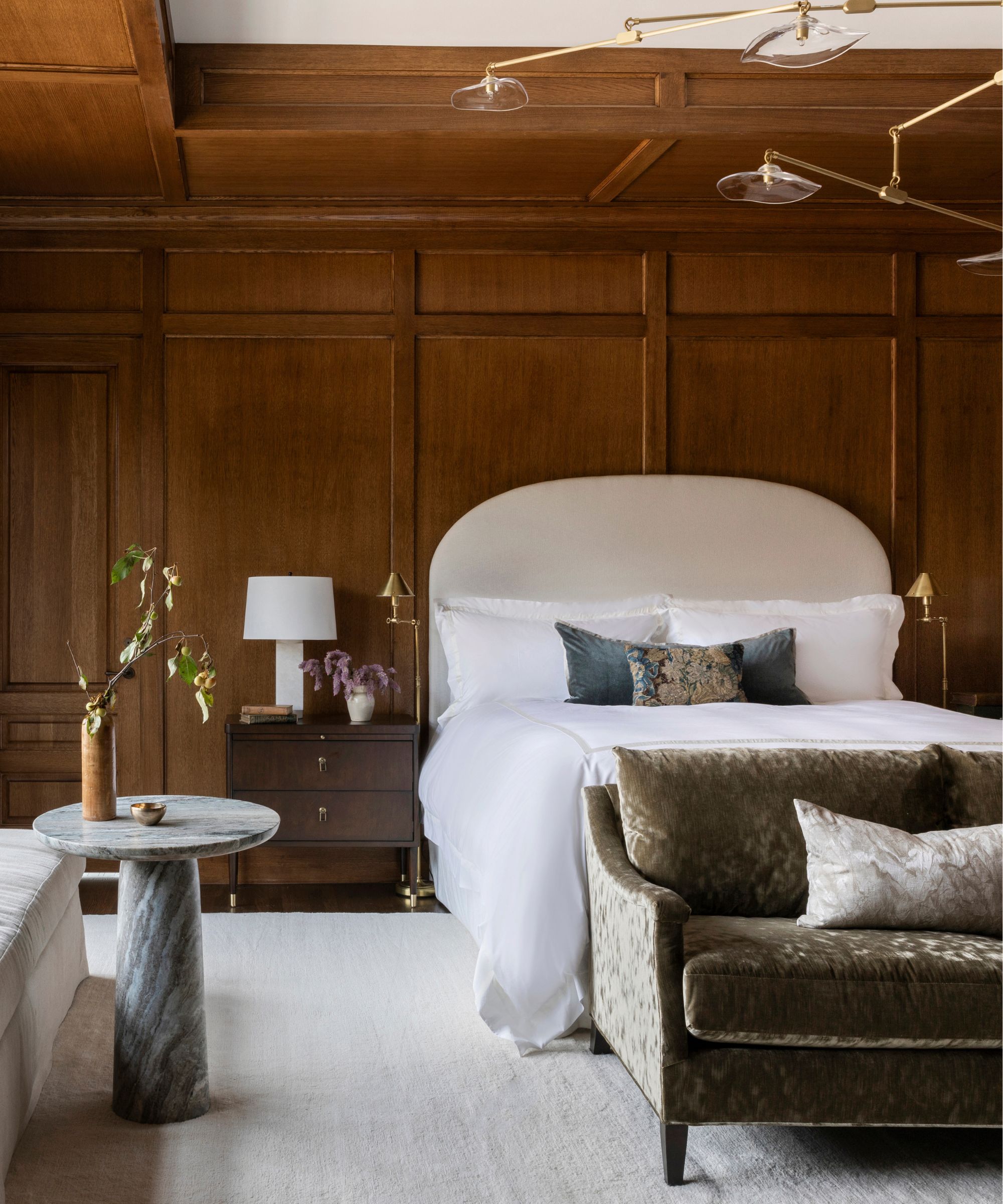
Ironically, the pursuit of timeless style is often what dates a home the fastest.
When the goal becomes avoiding passing trends at all costs, design decisions can end up stripping our homes of character. The result isn’t timelessness, but more a sense of overall flatness.
Bethany Adams sees this most clearly in older homes, where original features are removed in favor of what’s currently perceived as 'safe'. 'My approach is that if you use high-quality finishes that enhance your home's existing architectural style, you don't need to feel anxious about fleeting trends because the selections you make will always look appropriate, even if they're not fashionable.'
'By the same token, be very careful when considering tearing out original finishes and features from your home,' she continues. 'How many gorgeous Victorian homes have been transformed into builder-grade boxes devoid of character? And how many mid-century modern gems are now saddled with "modern farmhouse" kitchens? Updating is not a bad idea, just be sensitive,' Bethany warns.
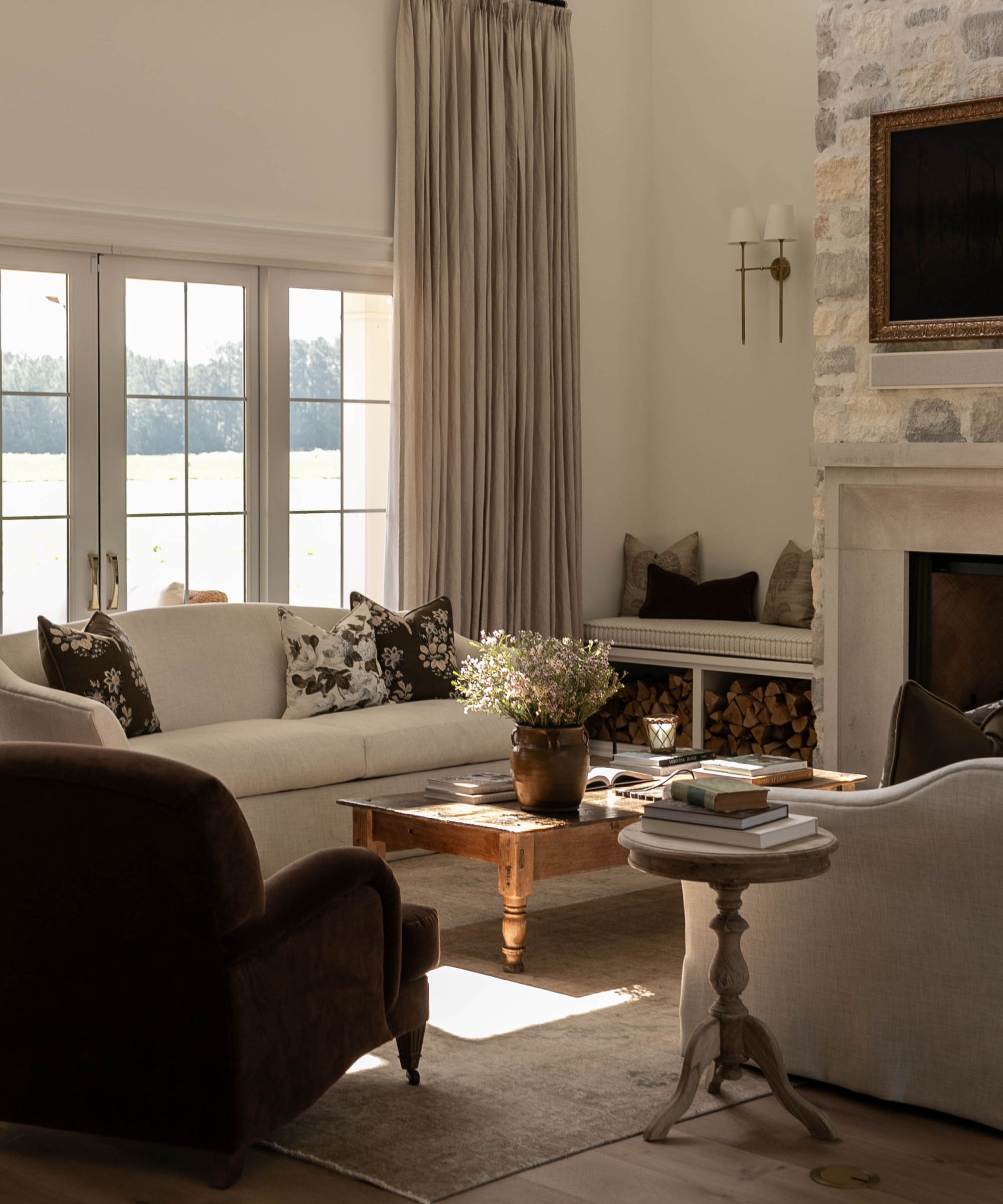
This is where timeless style can actually become quite restrictive. When permanence is prioritized over personality, homes risk feeling static rather than lived-in.
Katie Kiser of Katie Kiser & Co. argues that the idea of timelessness is a 'false sense of security that makes us think we will never want to tweak an interior.'
'I think a much more realistic approach is to educate our clients about the quality of their purchases, in hopes that they will curate a collection that can evolve with them and not stand still in time,' she continues. 'I think if there is a “timeless design,” it is rooted in one’s ability to reimagine the items they love over and over again.'
'Purchase what makes you happy, and it will never go out of style,' she adds.
What Does Timeless Look Like in 2026?
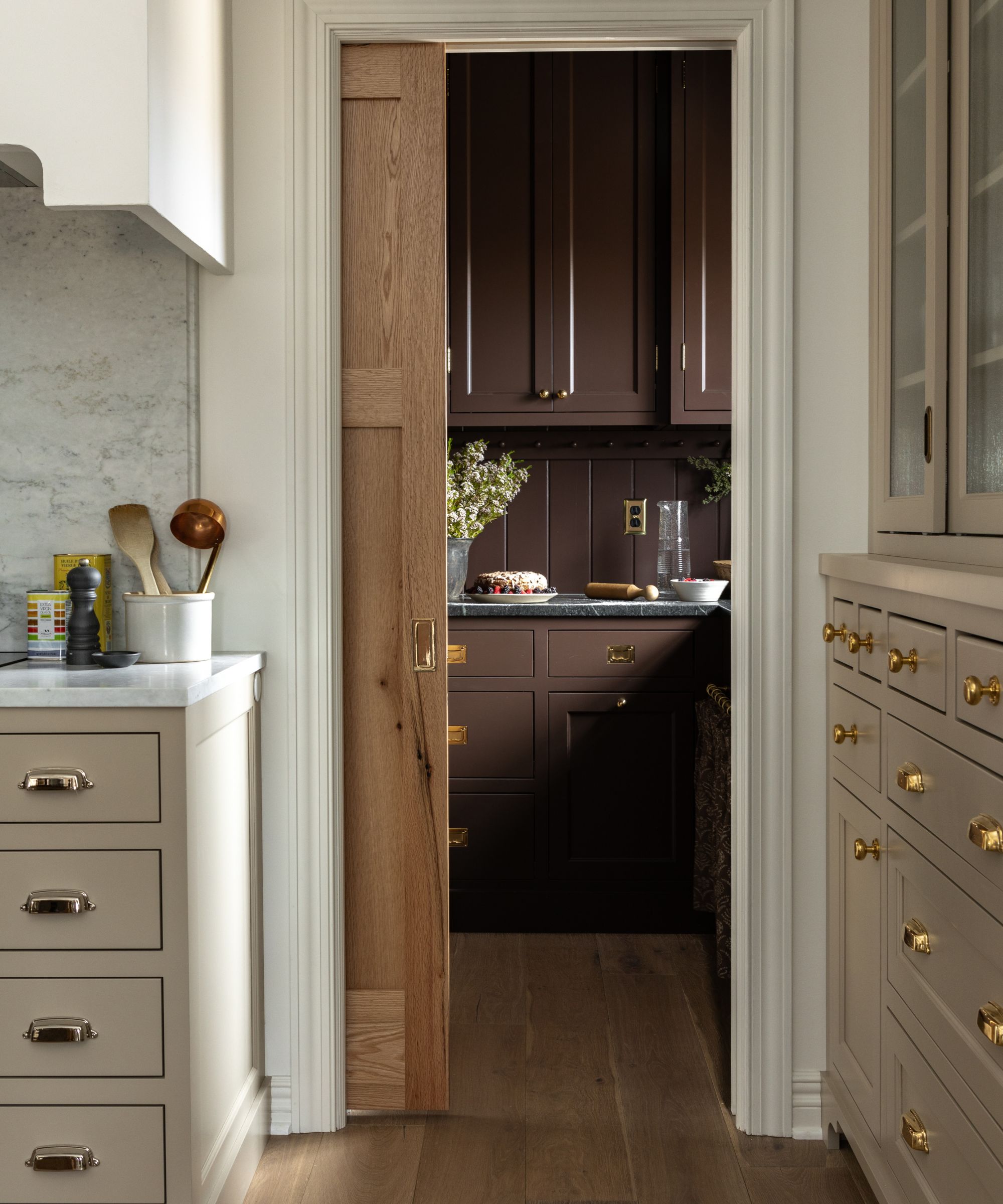
So if we are aiming to achieve a sense of timelessness in our homes in 2026, what does that look like?
In my own home, that looks like leaning into timeless paint colors where they matter. I'm talking kitchen cabinetry, color-drenched rooms, staircases – basically anywhere that I can't be bothered to repaint in 3-5 years – as well as choosing natural, living materials and finishes like marble, wood, and unlacquered brass.
When that foundation is in place, pattern, color, and trending objects, colors, and patterns can come and go without the room ever feeling totally outdated.
That then leaves me freer to lean into more trend-led decisions in smaller, easier to change or repaint moments. For example, my front door isn't that laborious to repaint, and neither is my small powder room, while swapping rugs, artwork, and drapes can instantly reinvigorate a scheme.
This also leans into 2026's interior design trend attitude, whereby the most tasteful homes this year are built up from collecting and curating over time, with pieces that speak to you.
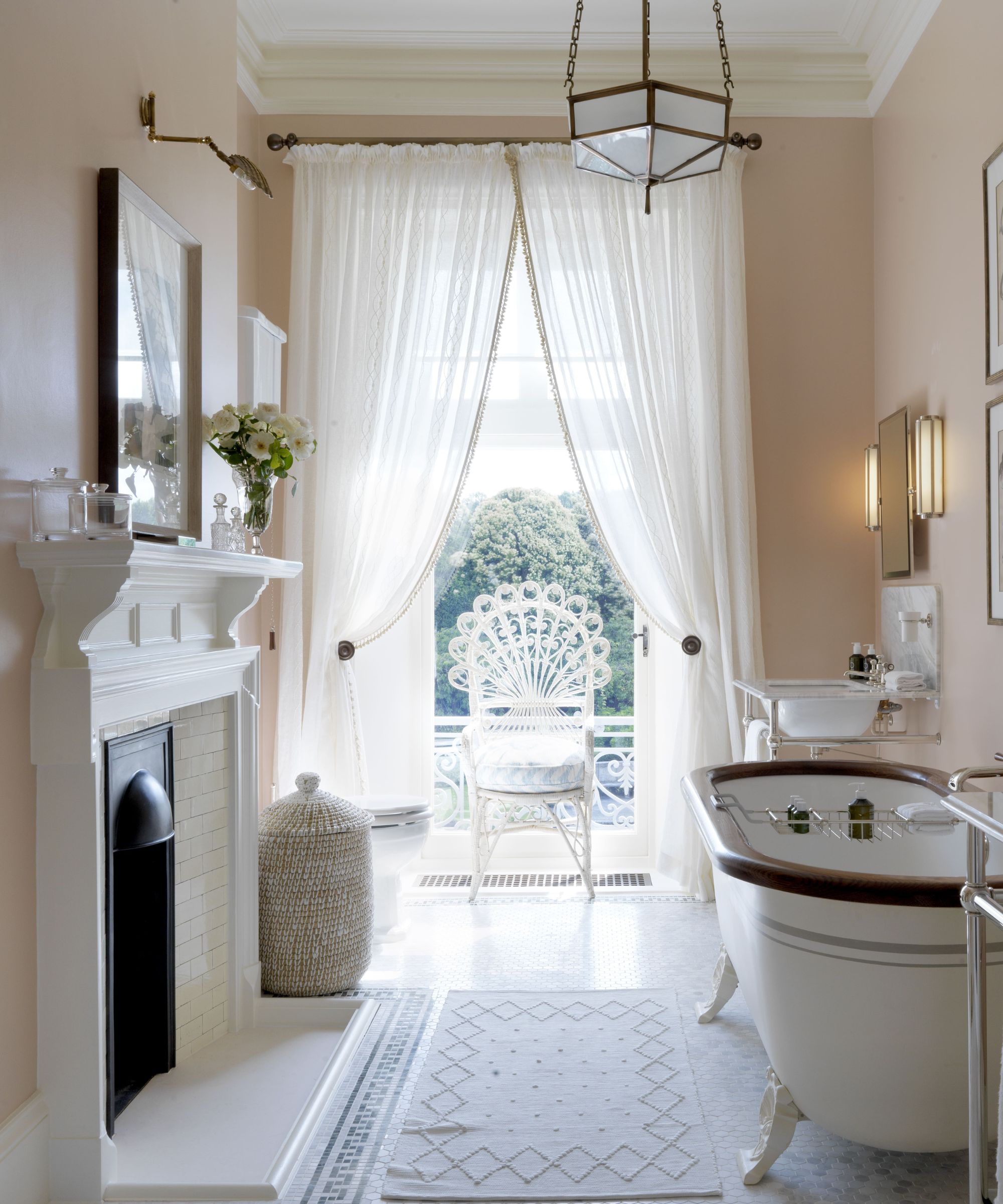
'There is a shift away from perfection toward patina in 2026, and from instant design toward spaces that feel collected over time,' Marie describes. 'Ultimately, timelessness is not about avoiding change; it is about creating rooms that feel grounded, intentional, and deeply livable. A home that reflects how people truly live will always feel relevant, no matter the year.'
Mary Beth Sullivan of MB Sullivan Design agrees that it's all about personality, at the end of the day.
'To me, timeless design is about focusing on unique, authentic, one-of-a-kind pieces that speak to an individual client’s taste and lifestyle,' she explains. 'To keep things timeless, I never approach design as a “theme” or furnish an entire room from one big-box store. Instead, I work to collect and curate interior pieces over time so that nothing can be identified by year or trend.'
'It’s really important for clients to really consider their likes and dislikes,' advises Yena Jung of By Yena Designs. 'Even if it is something as simple as loving a single color. That one color can be used in so many different shades and textures in a single room. What can feel truly timeless is a home that was decorated with personality and a story behind every design choice.'
'Pick what is special and meaningful to you,' Yena continues. 'If you find a wallpaper you love or a coffee table book that speaks to you and your family, use it as a jumping off point to base design decisions around that one choice or one item can create an entire space and show all your tastes and creativity.'
True timelessness comes from intention, quality, long-lasting materials, and a home designed to evolve with the people who live in it.
Shop 'Timeless' Home Decor
A classic stripe will never date, and this traditional neutral ticking stripe wallpaper can take a room from bland to cozy and layered that can then be built upon as you see fit. Just be sure to commit to all 4 (or 5!) walls.
A tapestry print is as old as time, and will sit beautifully in any style of home – adding a touch of verdant botanicals to clean, earthy living rooms or pairing with rustic textures and mismatched prints in an English-style home.
This classic meets modern armchair remains a warm and inviting spot to curl up in, regardless of current trends. Simply swap in throw pillows and blankets that speak more to the moment to give it a fresh new look.
Every room benefits from layered lighting to help it feel cozy, and this minimalist meets vintage-style sconce is the ultimate transitional piece. Made with a smart nickel finish to complement cool tones or liven up warm schemes.
Whether you hunt for vintage iterations or pick up this set of two from GreenRow, the wooden bobbin stool has been in style for decades. Not only is it a handy extra spot for drinks or to rest your feet, but the dark wood lends contrast to a scheme, too.
Florals will always remain in style – as long as they speak to your personal style. This delicate design from Magnolia was inspired by Joanna Gaines' personal collection of antique ceramics for a real timeless look.
So the short answer is: no, timeless style isn't a lie – it's just become a little bit misunderstood. The spaces that really endure are the ones filled with natural materials, classic patterns and colors, and thoughtful, personal choices that gain character over time.
The simplest advice is: don't chase perfection. Focus on what makes a home feel lived-in and yours by purchasing what sparks joy, honoring the original features of your home, and allowing the space to change with you, little by little.