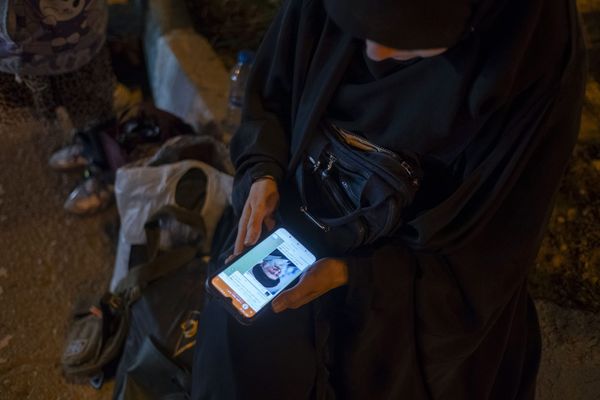
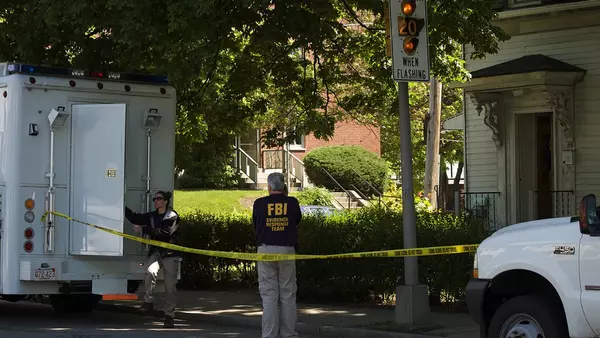
Clubbed to death ... is it all over for Ibiza's club scene? Photograph: Cardinale Stephane/Corbis
Ibiza is always about to be over. In 1933, the German artist Walther Benjamin wrote to the Jewish thinker Gershom Scholem complaining that the island had become too noisy and packed, that the special magic had gone and it was all over for him. In 1963 the Dutch writer Hans Sleutelaar "was lying on the beach and thought, ugh, how things have changed here". This week, Ibiza is all over because of the drug busts.
Amnesia, Bora Bora and DC-10 have just reopened after one month bans for allowing drug dealing onsite. As anyone who has been to an Ibiza club will testify, this is like closing a British pub for selling lager. Drugs have been a part of Ibiza's attraction since the Beatniks imported Moroccan weed for beach parties in the 1950s. Last year I met a man from Liverpool with a scar across his face who'd been arrested with 50 Es on him and was let off with a small fine after telling the court they were for his personal use. Ibiza's clubs serve 7,000 people per night. Half a million Brits head out to the island purely for hedonistic excess. Stopping the drug trade stops that cashflow dead - and Ibiza has only tourism.
So something else is going on. These bans came at the start of the season - not hugely busy times for the clubs. I suspect this is an example of the island's complex rule enforcement policy. There have been stories of Russians trying to crash the club scene, of Brits looking to muscle in on the dealing and last year two tourists were killed in a gunfight between rival British gangs.
This is not allowed. As a bar owner told me: "You have to understand that Ibiza is a place where anyone can come and be whoever they want to be. You can do whatever you want, no one cares. You can dress how you want and no one stares.
"But there is a certain kind of person who is not welcome here - pushy, arrogant, selfish people who want lots of things for themselves. They could be gangsters or they could just be the wrong kind of person. If someone came here to try and muscle in, if some Mafia came to try and run things, they just wouldn't be able to. They couldn't get anything done, anything at all. It would be impossible for them to live here. They could not park their car; they could not get served at the shops. In the end, they would leave."
Perhaps the clubs are being closed because someone is being taught a lesson. For now, the island is safe. It's subtle enforcement works. Every time a new destination - Aya Naipa, Dublin, the Baltic States - offer themselves up as party havens, they find the excess, um, excessive. The Ibicencos know how to handle it. And they will continue to do so.
· Stephen Armstrong is the author of The White Island