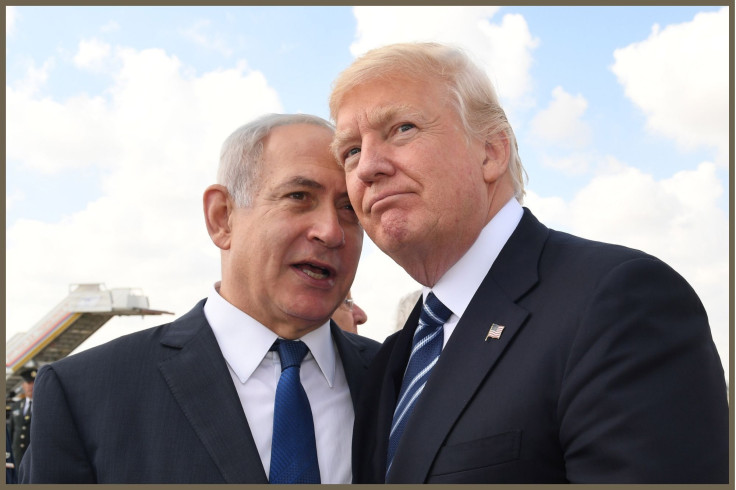
Before President Donald Trump's comments about Israel and Israeli Prime Minister Benjamin Netanyahu in Europe, the political bromance between them was not necessarily over but it had entered its most public stress test yet.
Now, it's hard to know.
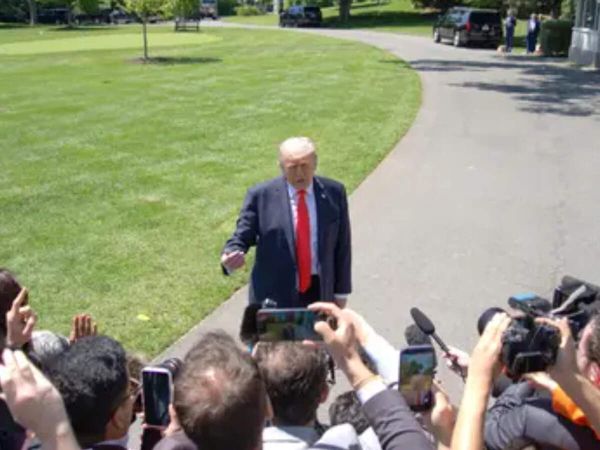
"Without the US, there would be no Israel. Without me, there would be no Israel because no other president was willing to do what I did. I have had a great relationship with Bibi. Now Bibi has to be more responsible with respect to Lebanon," Trump said, speaking at the G7 in Évian-les-Bains, France.
Hours before, Netanyahu had signaled that Israel will not be constrained by Trump's emerging peace deal with Iran, insisting that his government will keep military "freedom of action" in Lebanon and against Iranian-backed threats whenever it sees fit. The comments came as Washington and Tehran moved toward a preliminary agreement meant to extend a cease-fire, reopen the Strait of Hormuz, and potentially end more than three months of war.
"He is the president of the United States, I am the prime minister of Israel," Netanyahu said in Jerusalem. "We many times see eye-to-eye and there are times when we see eye-to-eye less so. I am in charge of Israel's security interests."
In contrast, Trump called Netanyahu out for Israel's incursions in Lebanon and insisted that the country "has to be more responsible" in Lebanon. "I'm not happy" with Israel's invasion and handling of Hezbollah, he added.
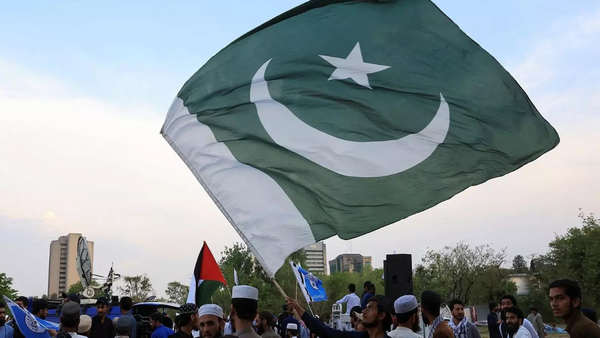
According to Reuters, the U.S.-Iran memorandum of understanding is expected to be signed Friday in Switzerland. The exact terms have not been released, but mediator Pakistan has said the pact calls for a permanent halt to military operations on all fronts, including Lebanon. That is precisely where Netanyahu is drawing the line.
Israel has said it will keep forces in southern Lebanon and maintain the right to strike Hezbollah if it believes northern Israeli communities are threatened. "Iran wanted us to withdraw from it but I stood firm," Netanyahu said, adding that Israel would keep the security zone to protect its citizens.
עם הסכם, בלי הסכם - כל עוד אני ראש ממשלת ישראל, לאיראן לא יהיה נשק גרעיני >> pic.twitter.com/P0k9WU20AK
— Benjamin Netanyahu - בנימין נתניהו (@netanyahu) June 15, 2026
The clash is especially striking because Trump and Netanyahu have spent years selling themselves as ideological allies. During Trump's first term, Netanyahu celebrated the U.S. embassy move to Jerusalem, the Abraham Accords and Trump's decision to abandon the Obama-era Iran nuclear deal. Netanyahu even used giant campaign billboards showing himself smiling beside Trump.
Now, the same relationship has turned complicated. Reuters reported that Trump and Netanyahu have repeatedly clashed over Israel's military campaign in Lebanon. Axios reported that Trump privately accused Netanyahu of having "no judgment" after an Israeli strike in Beirut threatened to derail the Iran talks.
Before the G7 comments, analysts say the rupture may be tactical, not personal. Dan Shapiro, a former U.S. ambassador to Israel and now an analyst at the Atlantic Council, told Reuters this is "a pretty stark moment of divergence of interests." His read: Netanyahu will likely avoid an open fight with Trump while making clear that Israel does not consider itself bound by the deal.
Now both leaders are in an awkward place. Trump wants to present himself as the only president capable of ending a regional war and stabilizing oil markets. He also needs a win and lower oil prices before the November midterm elections in the U.S.
Netanyahu is also facing elections and has to be perceived as the only Israeli leader tough enough to prevent Iran from rebuilding its nuclear and missile capabilities.
The problem is that those two political needs now collide.
For Trump, continued Israeli strikes in Lebanon or Iran could shatter the agreement before it is signed. For Netanyahu, accepting a deal that leaves Iran's nuclear program, missile capabilities and regional proxies only partially addressed could look like surrender.
The Israeli backlash is already fierce. Reuters cited one senior Israeli official who described the preliminary agreement as "terrible for Israel." Political scientist Jonathan Rynhold of Bar-Ilan University said Netanyahu "will be unable to sell this agreement to the Israeli public."
The AP reported that the deal has brought cautious relief abroad because reopening the Strait of Hormuz could ease pressure on global oil and gas markets. But in Israel, it has sparked anger from critics who say Netanyahu failed to meet his war goals and allowed Washington to take control of the endgame.
So, is the bromance over? Not exactly. Trump and Netanyahu still need each other. Trump needs Israel quiet enough to preserve his Iran deal. Netanyahu needs Trump's military, diplomatic and political backing, especially with elections looming at home. But the days of effortless public harmony are gone, at least for now.