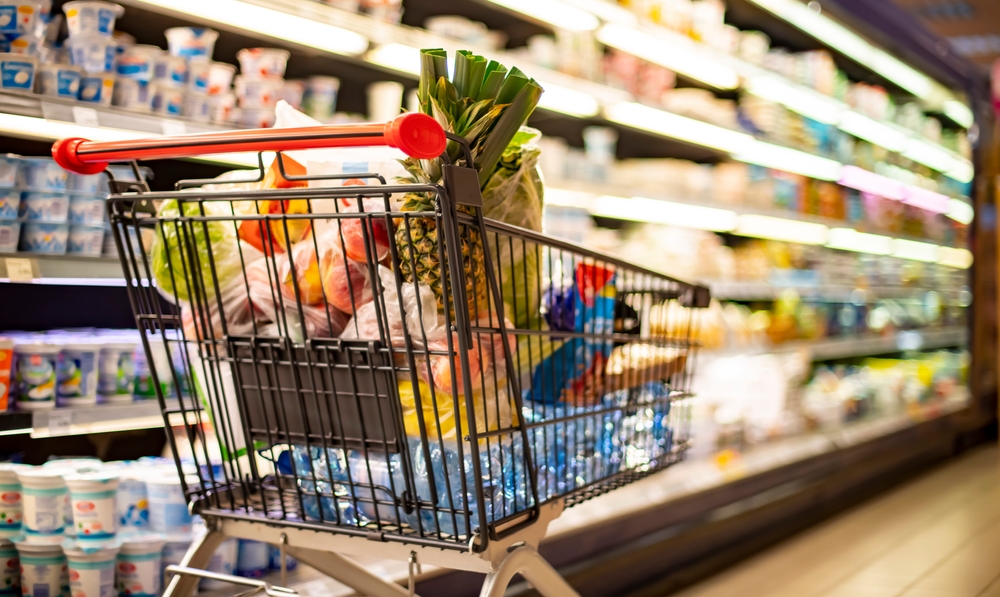
A new wave of consolidation is sweeping through the food retail world, and it’s not just a business headline—it could affect your wallet. The latest grocery store merger has been easy to tune out, buried under corporate jargon and shareholder talk. But if you buy bread, milk, or anything else from a major chain, this change may shape what you pay and where you shop. The question is whether the promise of “efficiency” will actually mean higher prices at checkout. This story matters because grocery mergers almost always ripple down to the shopper, even if the effects take time to show up.
The primary issue is simple: when fewer companies control more of the market, competition fades. That means fewer price wars, fewer discounts, and less reason to keep prices low. In a time when budgets are already stretched, the impact of a grocery store merger could be larger than it looks on paper.
1. Fewer Competitors, Higher Prices
The most direct outcome of a grocery store merger is reduced competition. When two large chains combine, they often close overlapping stores and cut duplicate operations. It sounds efficient, but it also means fewer choices for shoppers in certain neighborhoods. With fewer stores fighting for your business, prices can creep upward quietly.
Think about your local market options. If two of the biggest players become one, that new giant can set the tone for pricing. Smaller regional stores may struggle to match the buying power of a merged company, leading to less competitive pricing overall. Over time, the savings you used to find during weekly sales may shrink or disappear.
Economists often warn that consolidation in any industry tends to push costs higher for consumers. The grocery store merger trend is no exception. Even if executives promise lower prices through “synergies,” those benefits rarely reach the checkout lane.
2. Store Closures and Food Deserts
When big grocery chains merge, they often shutter stores in overlapping markets to cut costs. Those closures can create what’s known as food deserts—areas where affordable, fresh food is hard to find. That’s not just an inconvenience. It can change the way entire communities eat and shop.
In smaller towns or urban neighborhoods with limited options, fewer stores mean longer drives, higher transportation costs, and reliance on smaller convenience outlets. Those smaller stores tend to charge more per item, which compounds the effect of the merger. For families already watching every dollar, this shift can feel like a hidden tax.
Even if a new store eventually opens, the gap in service can last months or years. During that time, grocery bills rise simply because the closest affordable option is gone. The grocery store merger may not close your local branch today, but it could reshape your shopping map in the near future.
3. Private Labels and Less Variety
Merged grocery giants often push their own private label brands harder than before. On the surface, that can seem positive—store brands are often cheaper. But when shelf space fills with in-house products, national and local brands lose visibility or get dropped entirely. That limits your ability to shop based on taste, quality, or values.
With fewer brands competing for attention, the merged company can gradually adjust pricing. A few cents here and there don’t sound like much, but across hundreds of products, the impact adds up. You might think you’re saving money on the store brand, yet the overall cost of your basket climbs as alternatives disappear.
For shoppers who care about local producers, this consolidation can be discouraging. Smaller food makers often depend on grocery shelf space to survive. When one massive chain decides to streamline, those businesses can vanish from your aisles overnight.
4. The Illusion of Bigger Discounts
Every grocery store merger comes with promises of “better deals” and “enhanced loyalty programs.” In practice, those perks can mask subtle price increases. A chain might introduce flashy digital coupons or rewards that look generous but require more spending to unlock real savings.
For example, a $10 reward after spending $100 may sound appealing, but if base prices rise by 5%, you’re not saving much. The math works in the company’s favor. Shoppers often focus on the visible discount rather than the quiet upward drift in everyday prices.
It’s easy to get distracted by loyalty points and app promotions, but the overall cost of groceries tells the real story. If your weekly total keeps inching upward even with coupons, the grocery store merger could be the reason.
5. Labor Costs and Service Changes
When two major chains merge, they often promise to “streamline operations.” That usually means fewer employees managing larger workloads. Reduced staffing can lead to longer checkout lines, less help in aisles, and slower restocking. Those small inconveniences may push shoppers to buy more in bulk or switch to online orders—both of which can increase spending.
Some mergers also change supplier contracts and delivery systems. If a merged chain negotiates tougher terms with suppliers, smaller producers may raise prices to stay afloat. Those costs eventually land in your cart. The ripple effect is real, even if it’s invisible at first glance.
In short, the grocery store merger isn’t just about who owns what—it’s about how the entire supply chain shifts, from warehouse to register.
What It Means for Your Next Grocery Trip
If your favorite store recently changed ownership, pay attention to your receipts. Track whether sale prices are less frequent or whether certain brands vanish from the shelves. The grocery store merger might not raise prices overnight, but gradual changes add up fast.
For shoppers who want to stay informed, regulators and consumer groups track these deals closely. Staying alert helps you understand whether your local store’s new logo comes with a bigger bill.
Do you think grocery store mergers are making your weekly shop more expensive, or have you noticed better deals since the changes? Share your experience below.
What to Read Next…
- Rising Grocery Costs How Tariffs Could Make Food More Expensive And How To Fight Back
- 5 Ways Grocery Stores Can Change Sometimes For The Worse After A Buyout
- Retailers Are Secretly Raising Prices Before Discounting Them Heres Proof
- Why Some Grocery Chains Decline And Others Improve Common Factors
- Why Your Grocery Stores Loyalty Program Is Secretly Costing You Money
The post Is the Grocery Store Merger You Ignored About to Raise Your Bill? appeared first on Grocery Coupon Guide.