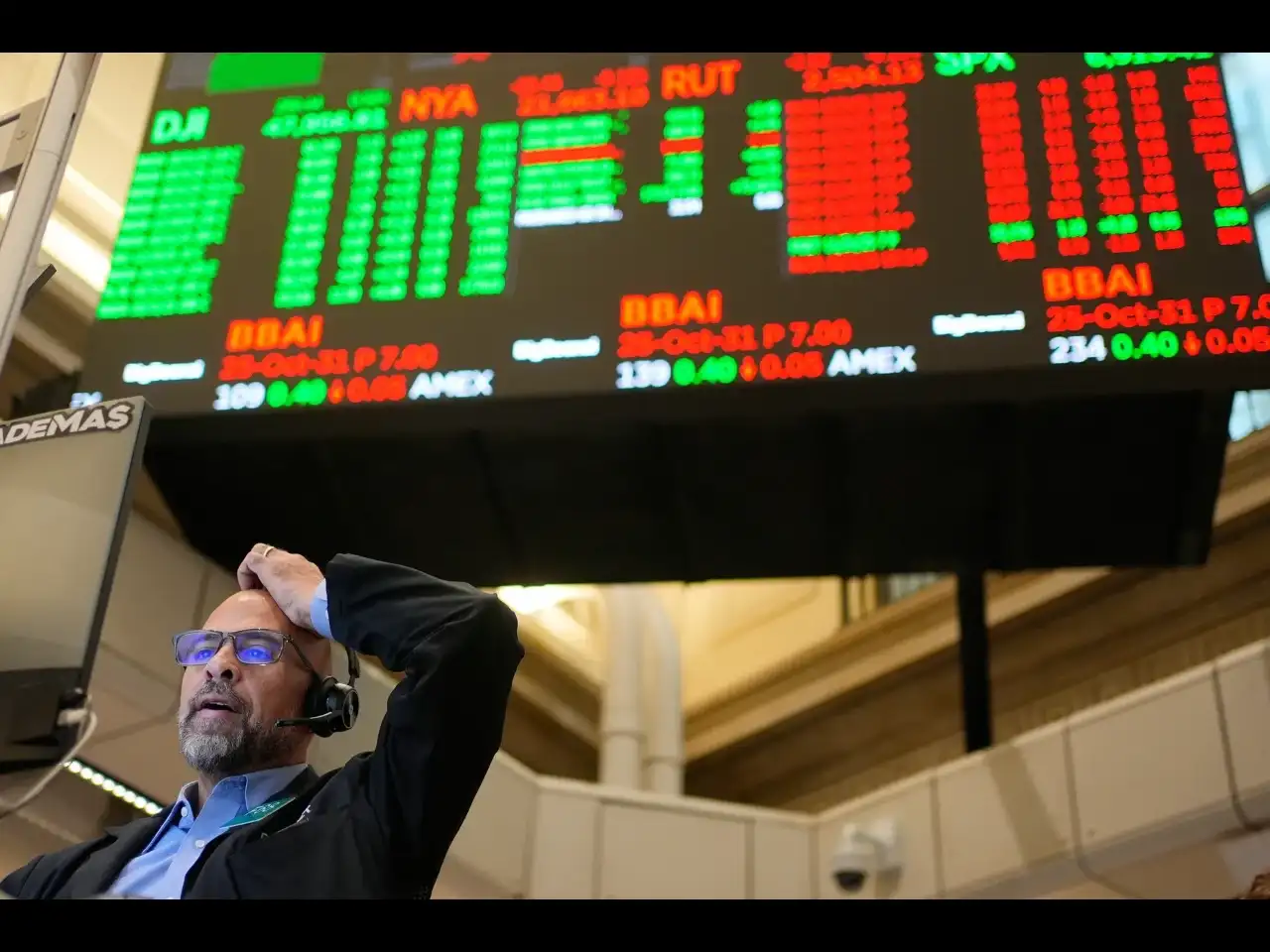
Dow Jones, S&P 500 and Nasdaq crash: The latest warning from Robert Kiyosaki is once again pushing fear, curiosity, and debate through global financial markets. The Rich Dad Poor Dad author says the “biggest stock market crash in history” is no longer a distant prediction. According to him, the collapse he warned about years ago is now unfolding as rising debt, stubborn inflation, weakening consumer confidence, and an overheated artificial intelligence boom begin pressuring Wall Street. His latest comments arrive at a moment when investors are already struggling with volatility across Bitcoin, gold, silver, and equities.
Kiyosaki’s message is striking because it does not focus only on fear. Instead, he argues that market crashes create rare opportunities for wealth building. While many investors panic during sharp declines, he believes downturns allow disciplined buyers to accumulate undervalued assets. In his recent social media posts, Kiyosaki revealed he is buying more Bitcoin during market weakness, insisting that panic selling often transfers wealth from emotional investors to prepared investors. His statement quickly gained traction because it combines two of today’s strongest market narratives: fears of a historic financial crash and long-term confidence in Bitcoin.
The timing of his warning matters. February 2026 has already delivered intense turbulence across financial markets. Bitcoin slipped below major psychological levels as momentum weakened. Ethereum traded sideways amid fading retail excitement. Gold and silver also faced steep pullbacks, surprising investors who traditionally view precious metals as safe-haven assets. At the same time, economists remain divided over whether the United States can avoid a larger recession as borrowing costs remain elevated and corporate debt continues expanding.
Why Robert Kiyosaki believes the 2026 stock market crash could reshape global wealth
For years, Robert Kiyosaki has argued that traditional financial education leaves ordinary people vulnerable during economic downturns. His investment philosophy centers on owning what he calls “real assets” rather than relying entirely on paper wealth tied to stock markets or fiat currencies. In his latest warning, he repeated that crashes should not always be viewed as disasters. Instead, they can become powerful wealth transfer events.
Kiyosaki believes modern economies are carrying unsustainable levels of debt. Governments worldwide expanded spending dramatically after previous crises, while central banks injected enormous liquidity into markets. That easy-money environment fueled rapid growth in stocks, cryptocurrencies, and speculative technology investments. Now, as interest rates remain elevated and growth slows, investors are beginning to question whether those valuations can survive.
The artificial intelligence boom has become another major concern for market skeptics. AI companies attracted massive investment during the past two years, pushing technology valuations higher despite broader economic uncertainty. Kiyosaki and other critics warn that excessive optimism surrounding AI resembles previous speculative bubbles, where excitement eventually disconnected from financial fundamentals.
He specifically warned that millions relying on 401(k) retirement accounts could face severe losses if markets sharply reverse after years of record highs.
Kiyosaki continues urging investors to hold what he calls “real assets” including Bitcoin, gold, and silver instead of depending entirely on traditional financial markets. He argues crashes create rare wealth-building opportunities for prepared investors because panic often forces valuable assets into deep discounts.
Why Robert Kiyosaki is buying more Bitcoin during market panic
Bitcoin remains central to Robert Kiyosaki’s financial outlook. While many investors reacted nervously after Bitcoin dropped below major price levels, Kiyosaki described the decline as an opportunity rather than a warning sign. He repeated one of his most consistent arguments: Bitcoin’s supply is permanently limited.
According to him, scarcity is Bitcoin’s greatest strength in an era where governments can continuously print money. Kiyosaki argues that fiat currencies lose value over time because central banks can expand supply indefinitely. Bitcoin, however, cannot exceed its hard cap. That fixed supply is why he believes long-term demand could continue rising despite short-term volatility.
His strategy reflects a broader shift among investors who increasingly view Bitcoin as a store of value rather than purely a speculative asset. Institutional adoption, Bitcoin ETFs, and growing global awareness have helped strengthen the cryptocurrency’s legitimacy, even during downturns. Supporters argue that Bitcoin’s decentralized structure makes it attractive during periods of financial instability or declining trust in traditional systems.
Could debt, inflation, and the AI bubble trigger a historic market collapse?
The idea of a historic stock market crash may sound extreme, but several underlying concerns continue worrying economists and investors alike. Government debt levels remain historically high across many advanced economies. In the United States, interest payments on national debt have surged as borrowing costs increased. Corporate debt has also expanded significantly after years of low-interest financing.
Meanwhile, inflation remains a persistent concern despite periods of cooling data. Consumers continue facing higher living costs compared with pre-pandemic years. Wage growth has improved in some sectors, yet many households still struggle with affordability pressures. If inflation remains stubborn while economic growth slows, markets could face a difficult environment.
At the same time, not every economist agrees with his outlook. Some analysts argue the global economy remains resilient despite challenges. Employment markets have shown strength, corporate earnings remain relatively stable in several sectors, and central banks still possess tools to manage downturns. Supporters of this view believe fears of a historic collapse may be exaggerated.
Kiyosaki’s message resonates because it combines warning with empowerment. He is not simply predicting disaster. He is arguing that financial education and preparation matter more during instability than during easy market rallies. Whether investors agree with his optimism about Bitcoin or not, his broader point is about understanding cycles rather than reacting emotionally to headlines.
His focus on alternative assets also reflects declining trust in traditional systems among younger investors. Many people no longer assume stocks, pensions, or fiat currencies alone guarantee long-term security. Cryptocurrencies, precious metals, and decentralized finance have increasingly become part of conversations about protecting wealth.
FAQs:
Q1. Why is Robert Kiyosaki warning about the biggest stock market crash in history in 2026?Robert Kiyosaki believes rising global debt, stubborn inflation, expensive AI-driven stock valuations, and weakening consumer strength are creating dangerous financial conditions in 2026. He argues that years of easy money and speculative investing have inflated markets beyond sustainable levels, increasing the risk of a major correction. Kiyosaki also says investors relying only on stocks and bonds may face the biggest losses if market panic accelerates across Wall Street.
Q2. Why is Robert Kiyosaki buying more Bitcoin during the 2026 market crash fears?
Robert Kiyosaki says Bitcoin remains attractive because its supply is permanently capped at 21 million coins, unlike traditional currencies that governments can print endlessly. He believes market crashes create rare opportunities to buy valuable assets at discounted prices, which is why he continues accumulating Bitcoin during sharp declines. According to Kiyosaki, panic selling often benefits disciplined long-term investors who understand how financial cycles and scarcity-driven assets work.