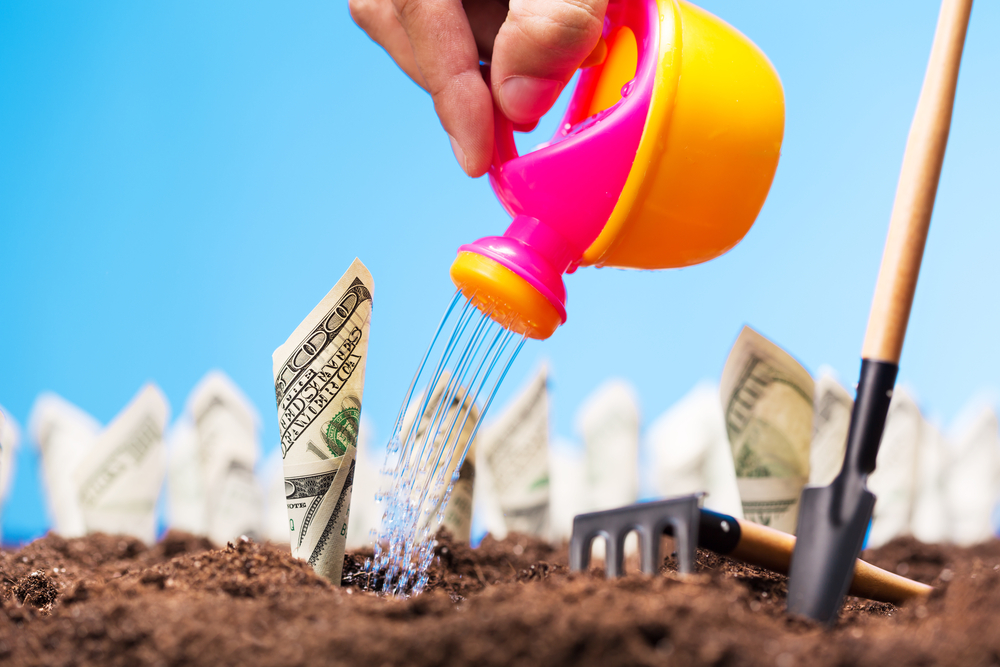
Most people assume gardening gets expensive fast, because they picture raised beds, bags of soil, and a cart full of tools. But a lot of that cost comes from buying everything at once instead of building a setup that grows with you. When you start small, you can learn what actually works in your space before spending real money. You can also use everyday items and “waste” materials that do the same job as pricey garden upgrades. If you’ve been putting it off because of the budget, a small garden can be cheaper than you think—especially when you focus on the few purchases that matter.
1. Use What You Already Have Before Buying Planters
Before you buy a single pot, look for containers you can repurpose, like buckets, storage tubs, or food-safe bins. Drill or poke drainage holes, then raise the container slightly so excess water can escape. This approach keeps your spending low while you figure out what you enjoy growing. It also lets you test sunny spots without committing to a permanent layout. When you start this way, your small garden costs less and feels easier to manage.
2. Small Garden Starter List Under $30
A cheap starter kit only needs a few essentials: seeds, a basic hand trowel, and one bag of mix if you don’t have compost. You can keep it even cheaper by choosing one or two crops and planting them well instead of planting ten things poorly. If you have decent yard soil, blend in homemade compost or leaf mold to stretch what you buy. Focus on a simple watering plan, because uneven watering causes more “failures” than lack of fancy supplies. The goal is to get your first harvest, not to build a picture-perfect setup on day one.
3. Grow Crops That Pay You Back Quickly
Some plants give a faster return, which makes your budget feel smarter right away. Herbs, salad greens, radishes, and green onions can produce in weeks instead of months. Pick crops you actually cook with, so you don’t waste space on “maybe” vegetables. If your household goes through a lot of basil, lettuce, or cilantro, the savings show up fast. A small garden feels cheaper when it replaces repeat grocery purchases instead of adding a new chore.
4. Spend Less On Soil By Building It Over Time
Soil is where many beginners overspend, because bags add up quickly. Start with one decent base mix, then improve it with compost, shredded leaves, and aged wood chips in paths. Avoid filling deep beds with all store-bought soil, because that’s the fastest way to blow your budget. Instead, top-dress with compost each season and let worms and watering pull it down. This slow-build method makes a small garden more affordable every month you stick with it.
5. Buy Seeds Strategically And Skip The “Cute” Extras
Seed racks are designed to make you buy more than you need, so go in with a short list. Choose open-pollinated seeds for easy saving later, and only buy what you can realistically plant. Split seed packs with a friend or neighbor so nothing goes stale in a drawer. If you want transplants, buy one strong starter plant and propagate cuttings when possible. A small garden stays cheap when you treat seeds like groceries, not like impulse buys.
6. Water Smarter So You Don’t Waste Time Or Money
Watering seems free, but wasted water and stressed plants cost you in the long run. Use mulch—shredded leaves, grass clippings, or straw—to slow evaporation and reduce how often you water. Water early in the day so plants dry before night and you avoid disease issues that lead to replacements. If you hand-water, aim for deep, slow watering rather than quick splashes that encourage shallow roots. A small garden is easier on the wallet when plants stay healthy with fewer inputs.
7. Get Tools The Frugal Way Without Buying A Full Set
You don’t need a shed full of gear to grow food, and most starter tools have cheap lookalikes at thrift stores. Ask neighbors if they have extras, because many gardeners collect duplicates over time. Borrow big tools like shovels and rakes until you know you’ll use them regularly. Keep a simple kit: gloves, pruners, a trowel, and a watering can or hose nozzle. A small garden doesn’t require expensive tools, just the right few used consistently.
The Cheap-Start Rule That Keeps Gardening Fun
Start with a tiny plan that you can maintain, because neglected plants are the most expensive plants. Spend on what improves success—light, water consistency, and decent soil—then use free upgrades for everything else. Track what you harvest, even casually, so you see the payoff and refine your next round of planting. If something flops, treat it as data instead of a reason to buy more stuff. Gardening stays affordable when your setup grows at the same pace as your confidence.
What’s one thing you already have at home that you could repurpose into a planter, and what would you grow in it?
What to Read Next…
12 Seeds You Should Start Early If You Want Big Spring Harvests
9 Low-Cost Grow Light Picks That Don’t Feel Like a Scam
7 Mistakes That Make Indoor Herbs Weak and Leggy
9 Winter Pruning Cuts That Invite Disease in Spring
7 Things Gardeners Regret Not Doing in January—Don’t Make These Costly Mistakes
The post Is Starting a Small Garden Cheaper Than You Think? appeared first on Frugal Gardening.