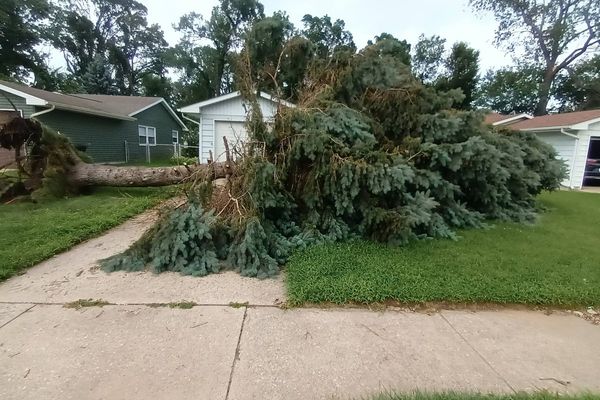
Despite the unpredictable weather, spring officially arrives today, marking the vernal equinox – a precise celestial event with global significance.
This astronomical moment signals the start of spring in the Northern Hemisphere and autumn in the Southern, when the sun sits directly overhead at the equator at midday. Uniquely, it is also the only time both the North and South poles are simultaneously bathed in sunlight, a rare alignment.
Across centuries, equinoxes have been observed and celebrated worldwide. In Japan, for instance, Vernal Equinox Day is a public holiday. Meanwhile, at the ancient Mayan site of Chichen Itza in Mexico, crowds gather to witness the sun cast a shadow resembling a serpent descending the El Castillo pyramid, a testament to ancient astronomical understanding.
But what is happening in the heavens? Here’s what to know about the Earth’s orbit.
What is the equinox?
As the Earth travels around the sun, it does so at an angle, making the sun’s warmth and light fall unequally on the northern and southern halves of the planet for most of the year.
But during the equinox, the Earth’s tilt is neither toward the sun nor away from the sun, so both the northern and southern hemispheres get an equal amount of sunlight. The sun rises almost exactly due east and it sets almost exactly due west.
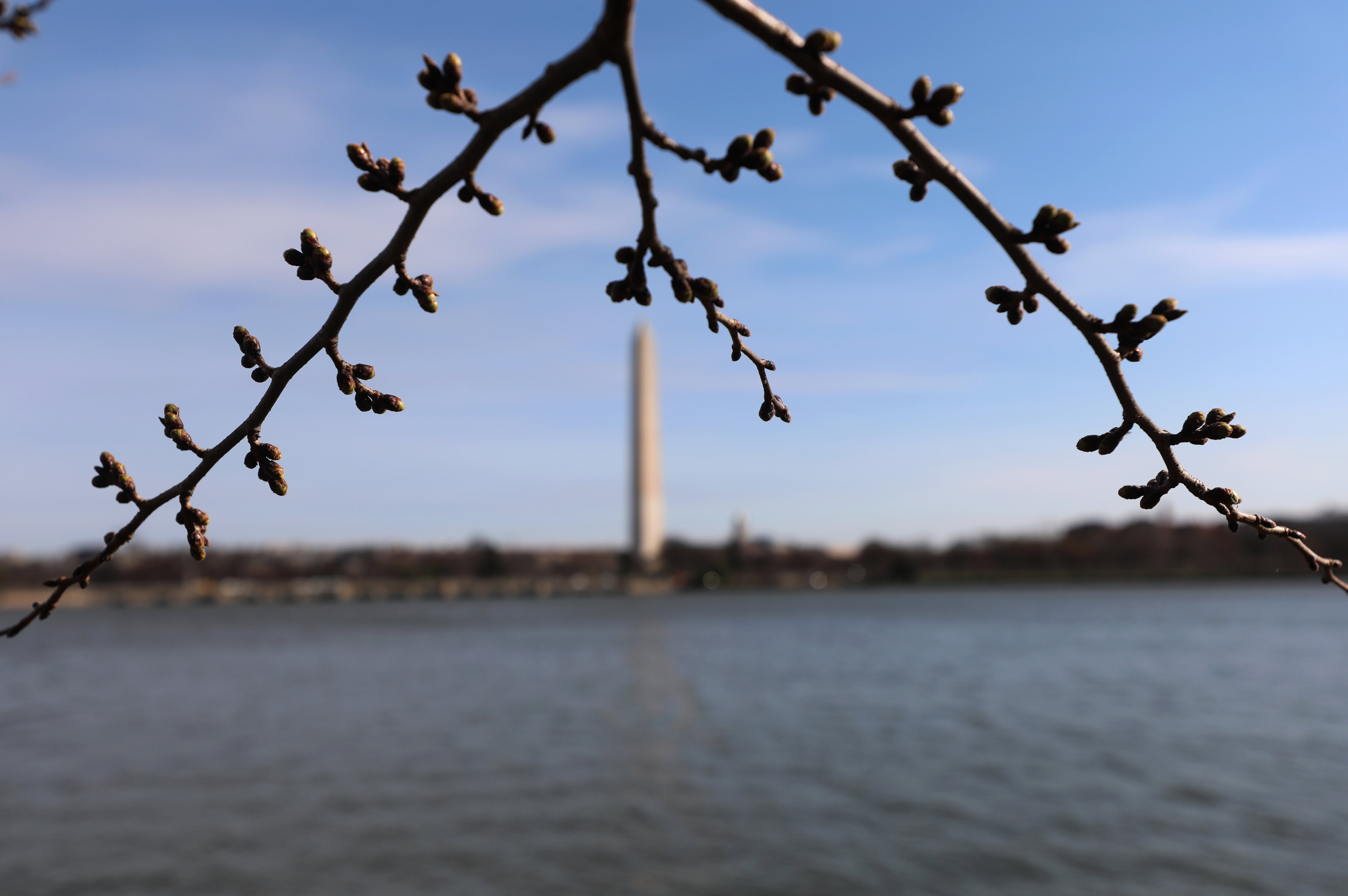
The word equinox comes from two Latin words meaning equal and night. That’s because on the equinox, day and night last almost the same amount of time — though one may get a few extra minutes, depending on where you are on the planet.
The Northern Hemisphere’s fall — or autumnal — equinox can land between Sept. 21 and 24, depending on the year. Its spring — or vernal — equinox can land between March 19 and 21.
The exact time of the equinox is the moment the sun is directly overhead at the equator. For 2026, it's Friday, March 20, at 10:46 a.m. EST. From there, days will get a little longer every day in the Northern Hemisphere — and shorter in the Southern Hemisphere — until the solstice in June.
What is the solstice?
The solstices mark the times when the Earth's tilt is tipped most extremely either toward or away from the sun. This means the hemispheres are getting very different amounts of sunlight, and days and nights are at their most unequal.
At the Northern Hemisphere's summer solstice, the Earth's upper half is leaning toward the sun, creating the longest day and shortest night of the year. The summer solstice falls between June 20 and 22. This year it's the 21st.

The opposite happens at the Northern Hemisphere winter solstice: the Earth's upper half leans the furthest away from the sun, leading to the shortest day and longest night of the year. The winter solstice falls between Dec. 20 and 23.
What’s the difference between meteorological and astronomical seasons
These are just two different ways to carve up the year.
While astronomical seasons depend on how the Earth moves around the sun, meteorological seasons are defined by the weather. Meteorologists break down the year into three-month seasons based on annual temperature cycles. By that calendar, spring starts on March 1, summer on June 1, fall on Sept. 1 and winter on Dec. 1.
Nowruz: What to know about the festival marking the Iranian new year
April 2026 payment dates for universal credit, benefits and pensions
A student volunteer was sent into a room with 100 hungry mosquitoes. Here’s why
How a cactus study is challenging one of Darwin’s ideas on evolution
Video shows fox hunting wolf in first documented case of its kind
The way you move your hands when walking reveals to others how you’re feeling