
Image source: shutterstock.com
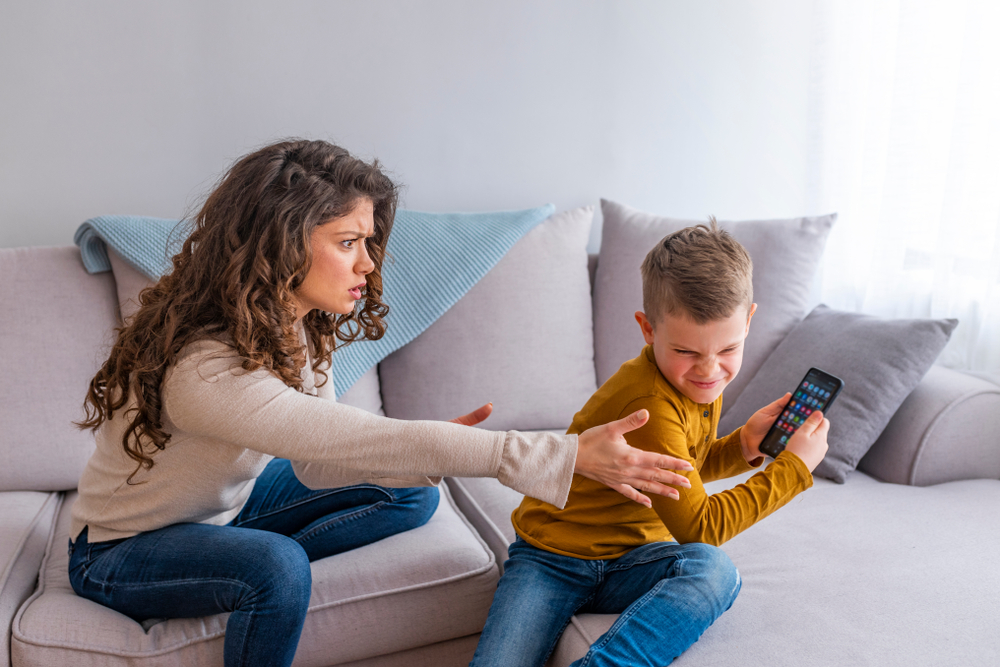
Most parents have had that moment: the tablet goes off and the mood goes sideways fast. It can feel confusing because screens are everywhere, and they’re genuinely helpful when dinner needs cooking or a work call runs long. But sometimes the bigger issue isn’t the device itself—it’s how it changes sleep, attention, transitions, and even the tone of the whole house. When behaviors spike, it’s easy to blame “attitude,” yet patterns often show up around when, how, and why kids use screens. If you’ve been wondering whether it’s connected, these nine insights can help you spot what’s really happening and make changes that don’t require a total digital ban.
1. Screen Time Can Turn Small Transitions Into Big Meltdowns
Transitions are hard for kids, and screens make them harder because they’re designed to be absorbing. When a child is deeply locked in, stopping feels like ripping away something important, even if it’s “just a game.” The brain needs time to shift gears, and abrupt shut-offs can trigger instant dysregulation. That’s why behavior often looks worse right after the device ends, not while it’s on. If you give warnings and a predictable off-ramp, you’ll often see the intensity drop.
2. Sleep Loss Looks Like Misbehavior During The Day
Even a small bedtime delay can show up as big behavior the next day. Screens can push bedtime later, but they can also make it harder for a child to wind down once the lights go off. When kids don’t sleep enough, they struggle with impulse control, frustration tolerance, and focus. That can look like defiance, whining, or constant arguing, even when the real issue is exhaustion. Start by protecting sleep, because it’s the quickest way to improve daytime behavior.
3. Fast-Paced Content Trains Kids To Crave Constant Stimulation
Many shows, short videos, and games move quickly, switch scenes often, and reward constant attention. After that, normal life can feel boring, slow, or “too hard,” especially homework, chores, and quiet play. Kids may act out not because they’re trying to be difficult, but because their brains are craving the pace they got on the screen. This can show up as restlessness, complaining, or refusing tasks that require sustained effort. Choosing slower content and balancing it with offline play can help reset expectations.
4. Screen Time Can Crowd Out Practice With Real-Life Skills
Kids learn emotional skills by doing, not by watching someone else do it. When screens take up most of the downtime, children miss chances to negotiate with siblings, handle boredom, and recover from small disappointments. Those missed reps matter, especially for younger kids who are still learning self-control. The result can be more conflict, more whining, and less flexibility when things don’t go their way. The fix isn’t perfection, it’s making sure real-life practice still happens every day.
5. Background Screens Can Raise Stress Without Anyone Noticing
A TV on in the background can feel harmless, but it adds noise and distraction that can raise irritability. Kids may have trouble focusing on toys, conversation, or independent play when a screen keeps pulling attention away. Parents also get interrupted more, which can make patience thinner across the whole household. Over time, a home that never feels quiet can lead to more snapping and more power struggles. Turning off background screens is a simple change that can shift the vibe quickly.
6. Not All Screen Time Is Equal, And The Type Matters
A calm family movie is different from endless short videos that never truly end. Some content encourages creativity, problem-solving, or learning, while other content pushes constant reward loops. Kids often handle screens better when adults choose the content, set a clear start and stop, and keep it age-appropriate. If behavior changes suddenly, look at what they’re watching or playing, not just how long. The most effective boundary is often about quality, not only minutes.
7. Screen Time Can Become A Coping Tool That Backfires
Screens can soothe kids quickly, especially when they’re tired, anxious, or overwhelmed. The problem is that quick soothing can replace learning how to calm down in other ways. If a child always reaches for a screen when upset, they may struggle more when a screen isn’t available. That can create bigger emotional swings and more dependence on the device to feel okay. Build a small “calm-down menu” so screens aren’t the only option.
8. When Screens Trigger Conflict, The Family Pattern Matters Too
Many screen fights aren’t really about the device, they’re about power, control, and inconsistency. If the rules change day to day, kids push harder because they’re testing what will work. If parents only notice screens when they’re frustrated, kids associate screens with conflict and defensiveness. A clear routine reduces arguing because kids know what to expect. Consistency is less about being strict and more about being predictable.
9. Small Boundary Tweaks Often Work Better Than Big Bans
Most families don’t need a dramatic “no screens ever” rule to see improvement. Try setting screen-free zones like meals and bedrooms, because those are high-impact areas. Use a daily screen window instead of constant access so it doesn’t creep into every moment. Pair screen time with a transition ritual, like a timer plus one quick offline activity afterward. These changes feel realistic, and realistic plans are the ones parents actually keep.
The Real Question: What Is Screen Time Replacing In Your Child’s Day?
The biggest clue isn’t whether screens exist, but what gets squeezed out when screens take over. If sleep, outdoor play, family connection, and boredom-based creativity disappear, behavior often suffers. When those basics come back, many kids become calmer, more flexible, and easier to redirect. You don’t have to be perfect to see results, you just have to notice patterns and adjust one habit at a time. A few intentional choices can make screens a tool again instead of a trigger.
What screen-related change has helped your child’s behavior the most, and what’s been the hardest boundary to stick with?
What to Read Next…
When “Screen-Free” Weekends Become Emotional Landmines
9 Times a Toddler’s Behavior Was a Sign of Something Medical
7 Reasons “Screen Time” Studies Are Misleading Parents
10 Kids’ TV Shows That May Be Reinforcing Bullying Behavior
How Much Screen Time Is Quietly Reshaping Childhood Behavior?
The post Is Screen Time Causing More Behavioral Issues Than Parents Realize? appeared first on Kids Ain't Cheap.