“As long as I don’t over-do it, things are manageable,” begins Alix Popham, slowly, tentatively, as if heeding his own advice even as he answers my gentle opening enquiry. It is the Thursday before the start of the Six Nations, and we are in an upstairs room of the clubhouse of London Welsh RFC at Old Deer Park, a short stroll from Richmond Station. It is a place that echoes with stories of the sport’s past, of days of Dawes and Davies and JPR Williams – but as Popham and I sit down to talk, it is to confront more challenging conversations over rugby’s future.
It is coming on six years now since Popham, capped 33 times by Wales during a distinguished playing career, was diagnosed with early onset dementia. Doctors estimate that he suffered more than 100,000 sub-concussions during a 14-year playing career. His daily routine now includes a stint in a hyperbaric chamber; he also has a sauna and cold plunge at home. Popham works two days a week – he would like to work three for financial reasons, but past experience has proven that a bad idea.
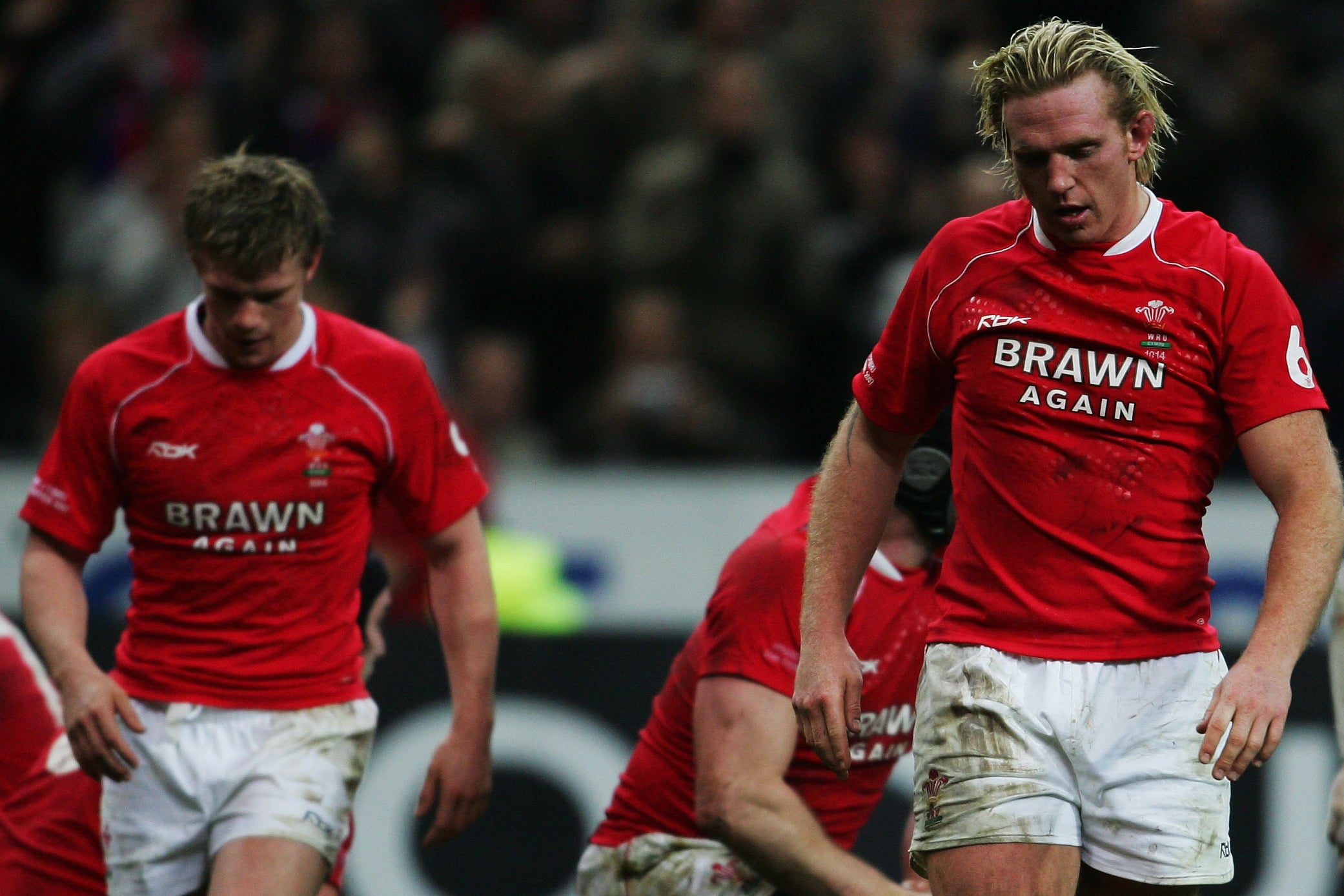
“I look at my brain as an old Nokia battery – I’ve only got so much bandwidth,” he explains. “I’ve had to pull back and recognise that. Before that, I didn’t know I had this issue, so I’d just plough on, and that would be where I’d have this explosion. I just couldn’t control it. Now I am understanding it a bit more, it is definitely better. But it’s not perfect.”
--
Kat Merchant remembers her first concussion, or brain injury, vividly; her last rather less so. Always a top talent, the 2014 World Cup winner was already playing in the Premiership for Worcester as a 16-year-old when she suffered a first major incident that made her up to three times more likely to get another. “I got knocked out fully, threw up, went to A&E,” she recalls. “I started having more and more through my career, but it wasn’t something we knew about back then. It was just like another injury.”
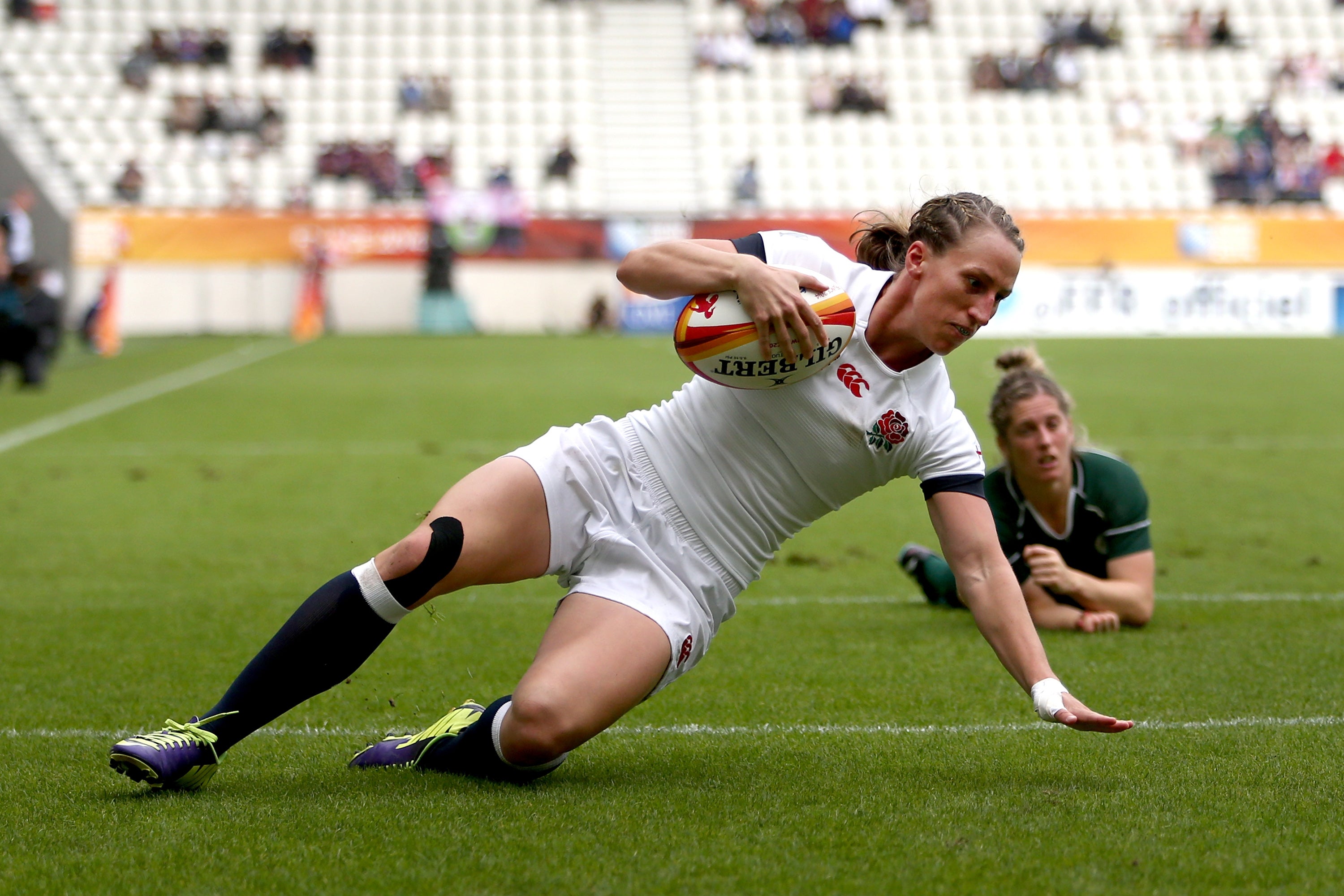
By the time of World Cup triumph 13 years later, Merchant knew she was done, retiring after the tournament. “In 2013, I had a seizure during a game. People were looking at me going, ‘will you play again? Are you ok?’ My family were there and I didn’t recognise them. I was completely all over the place. I didn’t see it, so didn’t know and didn’t get the magnitude of it.”
“When I was 16, I wanted to play the next day. In 2013, that took me almost four months to even be able to exercise. It was a real struggle. I knew that I couldn’t live like that, and in that way. I still wanted to play in that World Cup, so I did, but after that, that was it. Those four months were dark.”
--
Unlike Popham and Merchant, Damian Bailey never played at the elite level. “I was once the world’s smallest scrum half dodging people,” he quips. His interest in concussion in rugby comes from a different place. A professor of physiology, the Welshman is the director of the Neurovascular Research Laboratory at the University of South Wales. “I’m interested in what happens in the brain when it is bashed about,” is how he bluntly puts it.
“There is a lot of speculation, controversy and misinformation at the moment about what are the long-term implications of recurrent contact and impact,” Bailey explains. “I don’t like to use the word concussion. We’ve done a number of clinical studies where we have looked at the consequences of recurrent impact in order to identify that we are detecting mild traumatic brain injury, and it is manifesting itself in changes that would align to accelerated cognitive decline.
“The game has changed incredibly. We’re seeing huge impacts with forces as high as 200G, it’s just phenomenal. We have got players on the pitch that are almost like bodybuilders, so the impact that the players are experiencing is just enormous. We’ve got a lot of people who are now interested in the field, which for me is really important. We’ve got physicists, mathematicians, chemists, biologists, neurologists, clinicians, all with a healthy appetite to look at this, all to answer a question that I think is a no-brainer: Is rugby associated with brain injury?”
--
It is that difficult question that rugby cannot disentangle itself from. Like all contact sports, there is a significant injury risk each time a player steps on to the pitch or training field, but the situation surrounding brain injuries is harder to assess. A large proportion of players at any level will have experienced symptoms that align with concussion, or been diagnosed during their career – but the long-term impacts of sub-concussive blows are still, to some extent, unclear. Anecdotally, though, the stories are troubling. “People have died too young because of this,” Popham claims. “People are struggling. Families are struggling.”
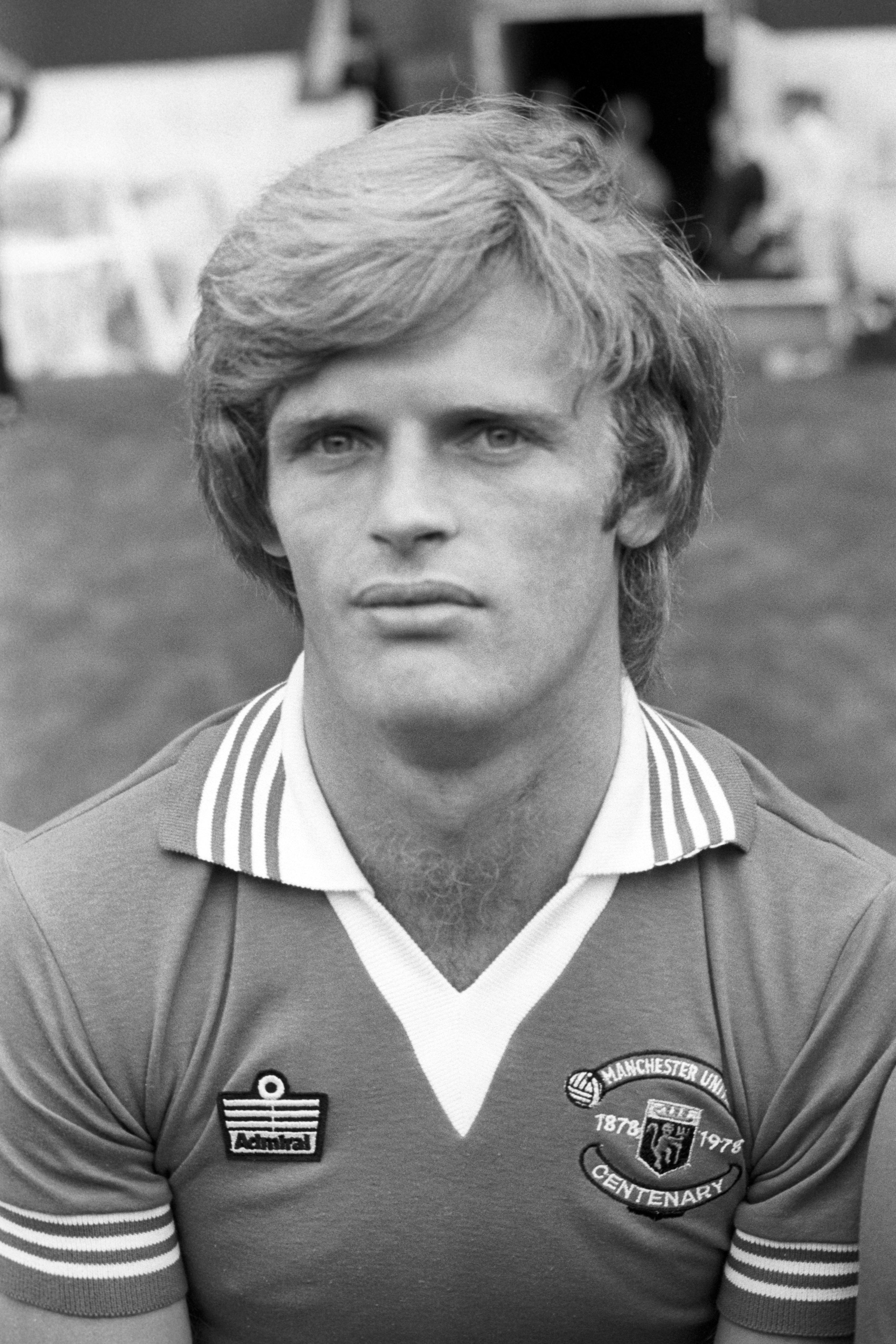
Head for Change, a charity founded by Popham and wife Melanie, strive to pioneer positive change in prioritising brain health in sport. The recent findings of the inquest related to the death of former Manchester United and Scotland footballer Gordon McQueen shows that this is far from just a rugby issue, but Popham’s experience within the sport means that he speaks from a place of both understanding and care when he suggests what it is doing wrong.
“It’s not putting the player first. That’s all I care about. I still love the sport. People think, ‘you are trying to kill the game’, but I’m not. The game is killing itself. It’s not the game on a Saturday, that is as safe as it can be. The majority of changes that we want to make are through the week, Monday to Friday, the length of the season, the number of minutes of contact training.”
Popham has found renewed purpose since his diagnosis. He finds his work with Head for Change highly rewarding; he is training for another Ironman triathlon in Portugal, not wishing to push his limits but instead just cross the finish line with friends and raise awareness. He is also one of 787 claimants from rugby union in a lawsuit against World Rugby, the Rugby Football Union (RFU) and Welsh Rugby Union (WRU).
The case, brought by law firm Rylands Garth, is being run in tandem with a lawsuit brought by former rugby league players against the Rugby Football League (RFL). The next hearings are set for 18 and 19 March at London’s High Court, with trial judge Justice Lambert expected to attend. That will come nearly five-and-a-half years since The Guardian first reported legal action was on the way.
Nobody involved thought that it would be a straightforward process but Popham is frustrated that the delays have perhaps held up progress for the players of today.
“There is a playbook that the other side have got to play. It’s deny, deny, delay, deny, kick the can down the road as long as possible,” Popham says. World Rugby denies that this is the case. In December, meanwhile, appeal judge Lord Justice Dias, held that at an earlier hearing, Senior Master Jeremy Cook, had been right to find that the claimants’ firm, Rylands Garth, had failed to fulfil its obligations to disclose necessary medical material to the defendants.
“I know what has been put together from our legal team, and I know that they get a bad rap in the press, but there is a 150-page medical report on each player,” Popham suggests. “They’ve done it right. It is frustrating because boys are struggling, families are struggling, and it’s the whole ripple effect. I can’t wait to go to trial and have the evidence of what has been done.”
World Rugby insists that player welfare remains a top priority. Dr Brett Robinson, a former 16-cap Australia international who has a doctorate of Philosophy in Clinical Orthopaedics at Oxford, was elected as chair of the governing body last year. “I’m really proud of everything we have done and continue to do,” he tells The Independent. “But that’s something we would be doing in any case. We are doubling down on extending all of the great things we’ve done. It’s an incredible story of understanding what the issues were that we were facing.
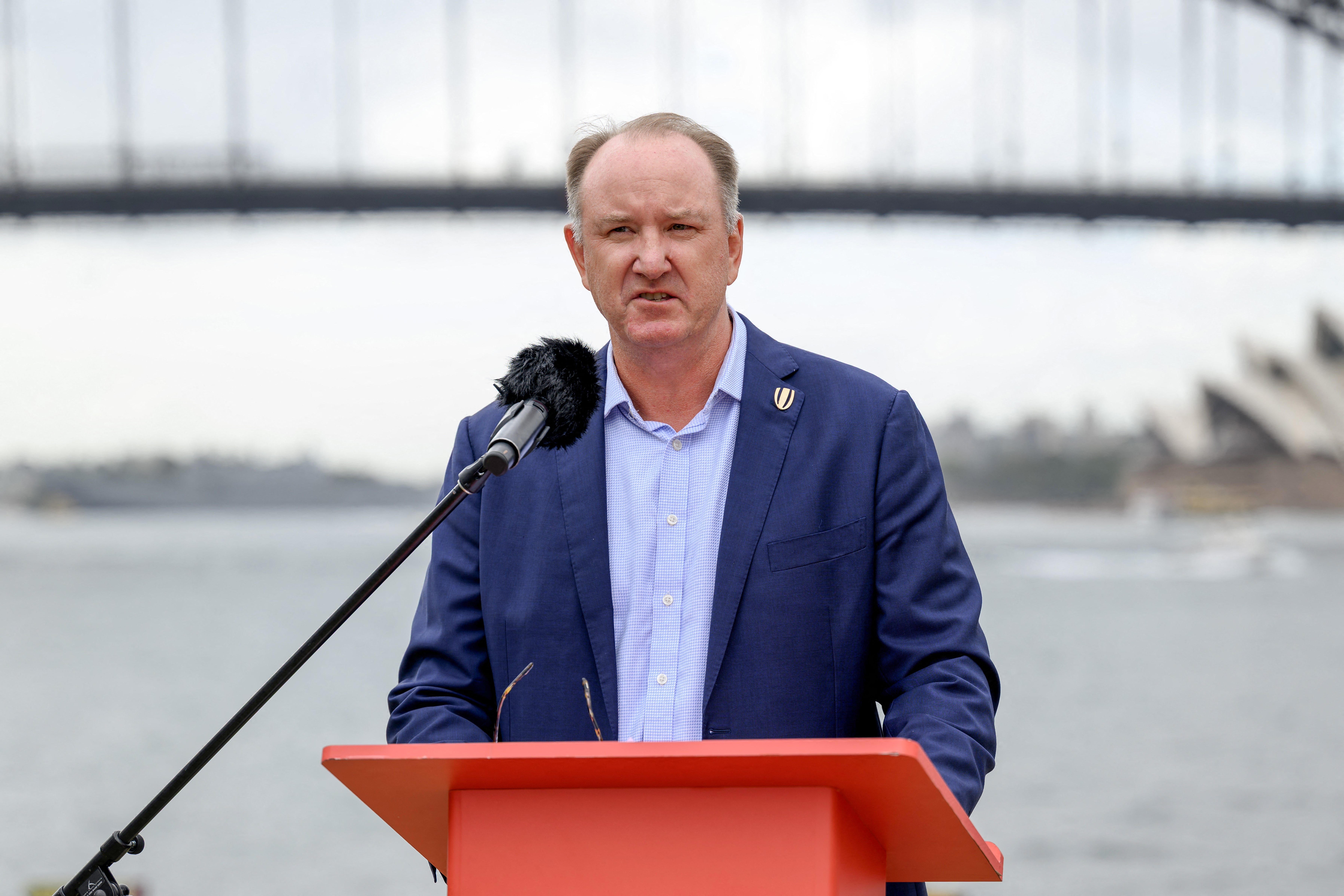
“The other wonderful initiative that World Rugby has invested in over the last couple of years is a brain health service. I’ve actually gone through it myself as an ex-player. It helps identify at-risk players who might need support, and we’ve launched I think six or seven of those across the world, and are intending to launch more.”
Those with knowledge of the proceedings still believe a trial is some way off. World Rugby will proactively publish its generic defence on Friday.
--
The legal case is just one strand of a more complicated landscape for rugby. Like most recreational sports around the world, the pandemic hit participation numbers significantly but there are wider concerns about players of all ages walking away from the game. In October 2024, an independently chaired review commissioned by the RFU urged the union make radical changes in schools rugby to avoid becoming a “declining minority sport”. The RFU has since introduced a non-contact form of the sport called T1 Rugby.
World Rugby, meanwhile, will soon recommend that the permitted tackle height be lowered to the sternum in the community game following trials in 11 unions over the past 18 months. That change will also be trialled at the U20 World Cup in Georgia later this year to look at how it may impact the elite game.
“I think it is roughly 150,000 tackles that we’ve looked at, and from the global work we have done, we can see that reducing the tackle height has had an impact. We will be recommending at the next council meeting that it becomes a global expectation,” Robinson said.
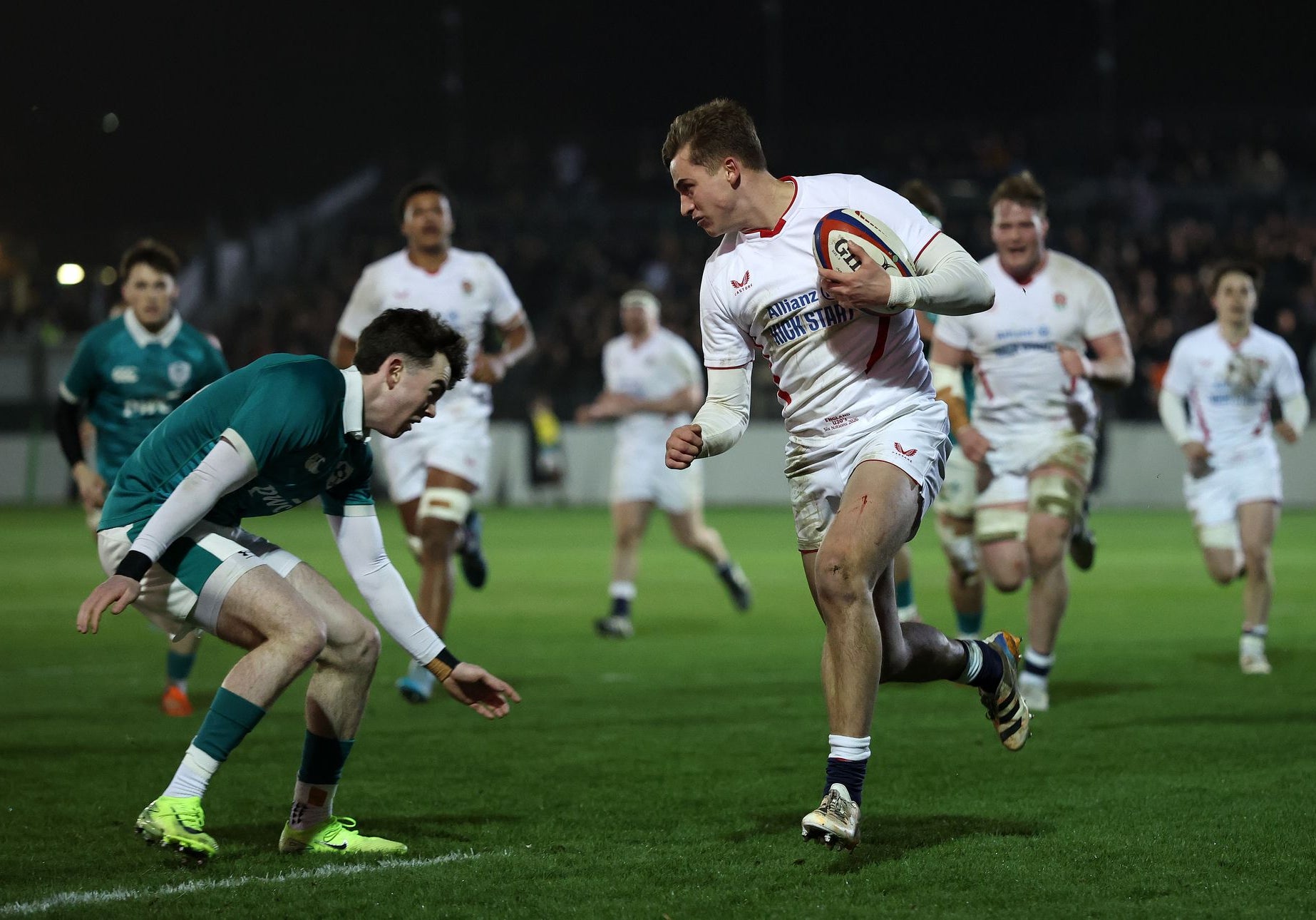
“We would be silly not to look at that in terms of the elite game, so the 20s is going to be that environment. But I think it would be a big step to take. There are other things we do at the elite game that we don’t do in the community game. You don’t have loads of cameras, you don’t have instrumented mouthguards, you don’t have clinicians on the sideline. So you have to position the context of the wrapping around the issue and how different it is to the community game. That’s probably the nuance in that conversation, but we are definitely taking a look at it because a lot of the unions wanted us to do so.”
Bailey, for his part, would take contact out of the game altogether, though recognises that is not a majority view. “Ultimately, for me, sport is about keeping us healthy and keeping us safe,” he says. “Exercise is unequivocally the best medicine. Rugby has taught me so much, and I’ve taken so much from the game. But the impact is the elephant on the room.
“It is something that we cannot turn a blind eye too. From an ethical point of view, we have to find the risk and have that transparent conversation with school children, with players. We have to regulate contact far better; I’d like to pull it out of the game completely myself, which is quite difficult, of course. You’ve got audiences that are baying for the gladiatorial big hits. But it is about encouraging activity and social inclusion, and looking after our players so that they have a wonderful three or four decades of life ahead of them.”
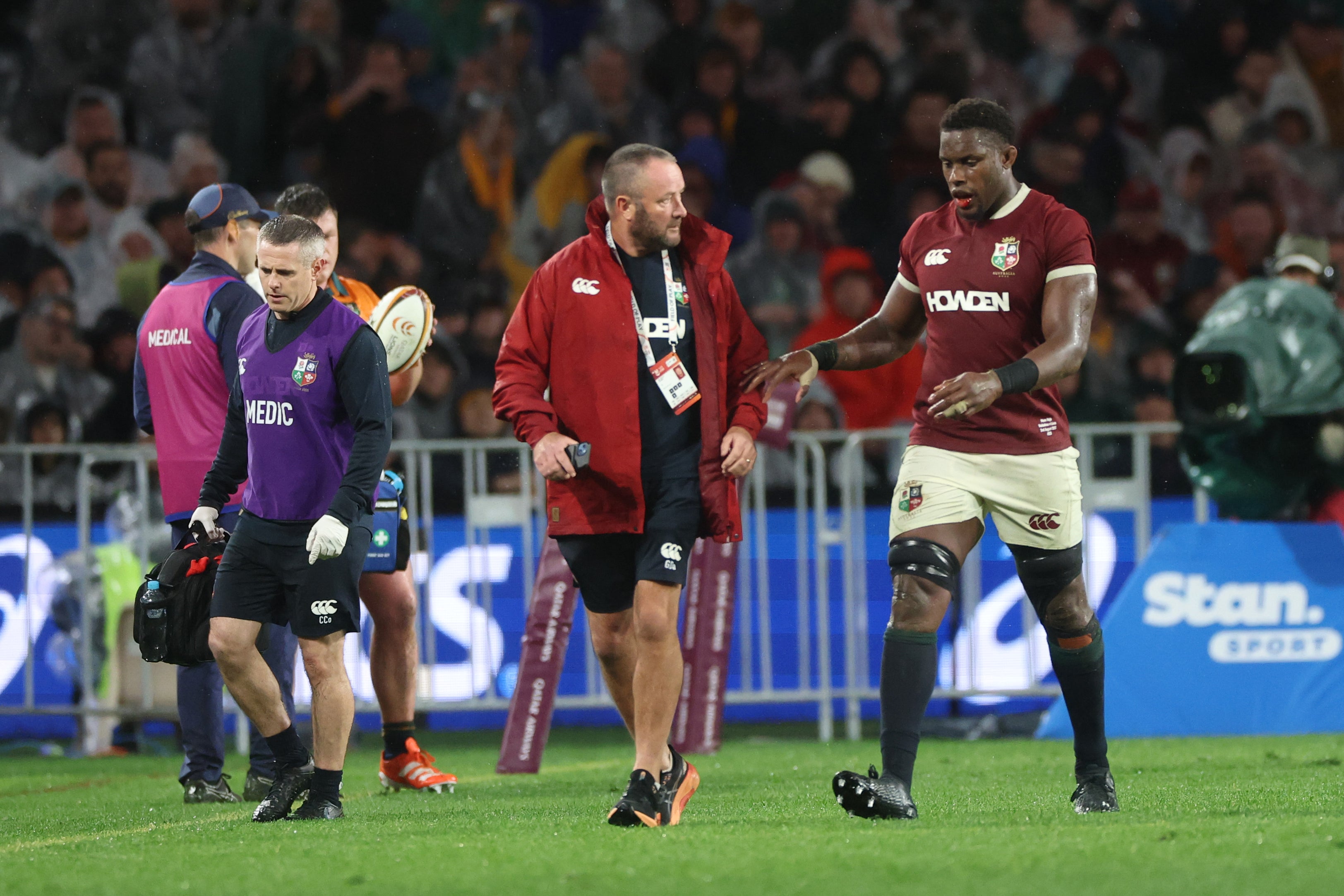
At the elite level, there can still be a culture of silence around concussion, both within environments and beyond. For that reason, it was positive that Garry Ringrose self-reported symptoms having been named in the starting British and Irish Lions team for the second Test against Australia in Melbourne last July. Instrumented mouthguards have provided another tool to help record impacts, and it is understood that the manufacturers are hoping to do more with the technology in time.

“I think the conversation has changed a lot,” Merchant, who has had a brain scan and not shown any signs of a neurodegenerative condition, says. “I think if I played nowadays. I’d have retired at 24, rather than 28. They’d have called it a lot earlier. I always think about that – I wouldn’t have got to win a World Cup…
“I like the mouthguards; I like everything they are trying to bring in. It’s not perfect, but they are trying to bring things in. Some players are still scared to talk about concussion. It is still kept hush-hush, and it needs not to be.”
More research, too, is required. Merchant notes that studies have found that brain injuries are both sustained and suffered differently by women to men. “When the men’s game went amateur to professional, there were guys who went from training twice-a-week to suddenly training a lot more,” she points out. “The women are going through that now; they need to be protected.”

It is, of course, a fast-moving, fast-changing and fast-developing field. After Lewis Moody’s diagnosis with motor neurone disease last year, the Motor Neurone Disease Association said that the latest research suggests a correlation between traumatic brain injuries and MND, but that the same research has not proven that traumatic brain injuries are a cause of MND. Studies are perhaps further along into other neurodegenerative conditions, but some of these can only be clinically diagnosed after death.
“The study we are doing at the moment, and Head for Change are helping to recruit many of the participants, is the bit in between. The big knowledge gap,” Bailey explains. “These are players that are middle aged, 30-59 years of age, that have been given a diagnosis of probable chronic traumatic encephalopathy (CTE). This is known as traumatic encephalopathy syndrome.
“We can’t clinically diagnose CTE until after death, so what we are interested in here is that these are players that are symptomatic. We are looking at a variety of blood-borne, saliva-borne, neuroimagery-borne biomarkers that we hope will be more sensitive and specific so we can understand the pathophysiology behind the clinical symptoms. And then, ultimately, we want to be able to affect counter-measures to try to slow this down without changing the game.”
--
The overall backdrop is complex and concerning for a sport so often riddled with contradictions. Part of what attracts spectators and viewers to rugby is that “gladiatorial” nature referenced by Bailey, but it cannot survive if player numbers begin to dwindle. Financially, too, the ramifications of a major settlement could be significant, if that is where the court case ends up. Already, the spend on legal fees and associated costs is significant, which is having an impact on World Rugby.
But Popham, and others like him, known that there are plenty of past and present players who will be in need of help. After taking his own life in 2023, the former Maori All Black Billy Guyton was diagnosed with stage 2 CTE. Shane Christie, his friend and former teammate, set up a foundation in his mate’s memory to help players with concussions; Christie died a day before his 40th birthday last August in a suspected suicide having told friends he believed he had CTE, too.
“To me, I look in the mirror and I am doing this for the right reason,” Popham concludes. “This great game can still carry on – we just need to look after our players better.”
English rugby set for radical change as Prem ring-fencing approved
How World Rugby is planning to make sport ‘quicker and simpler’
Saracens respond to speculation linking Ireland boss Andy Farrell with return
Saracens salary cap punishment under scrutiny over alleged conflict of interest
Ireland wing James Lowe to miss rest of Six Nations with groin injury
England turn to 2003 World Cup heroes to try and save collapsing Six Nations campaign