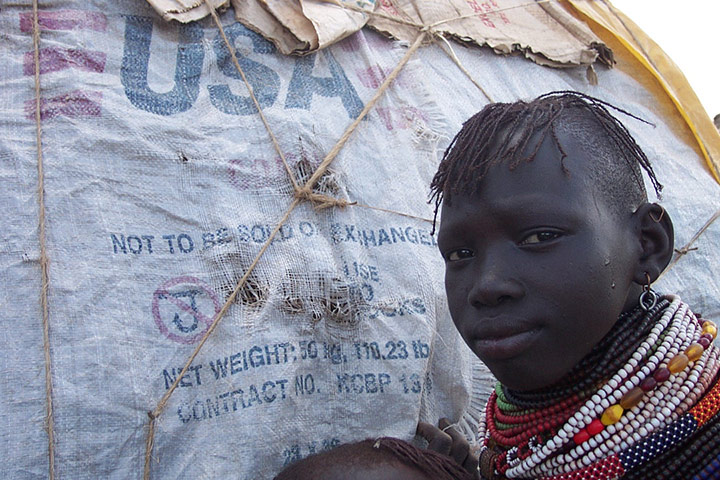
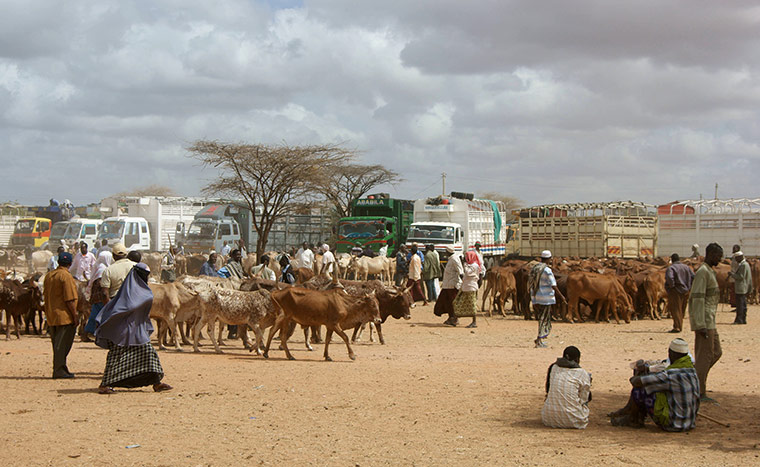
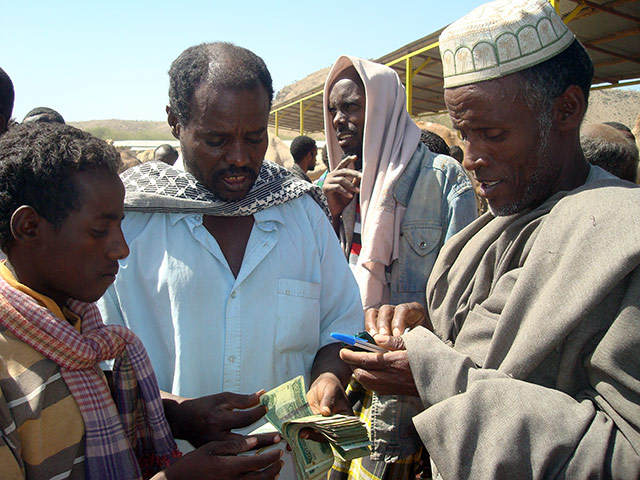
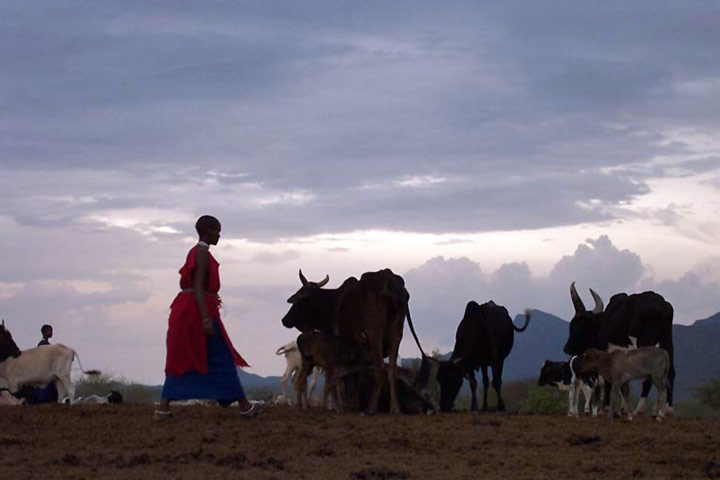
Turkana in Kenya: Last week an international conference in the Ethiopian capital, Addis Ababa, discussed the complex present and future of pastoralism in Africa. Pastoralists are increasingly vulnerable, especially the poorest, who lack the wealth, influence and status to take advantage of new opportunities for trade and livestock marketing. Failed by state development plans and aid strategies, pastoralists have been let down because the real problems and issues they face have not been taken into accountPhotograph: Michael WadleighGarissa market in Kenya: But pastoralism is thriving in many places. It is "big business" in Ethiopia, contributing to more than 16% of GDP. This is having ripple effects across the region, with pastoralists in northern Kenya increasingly supplying camels to the booming export trade from EthiopiaPhotograph: Andy CatleyOmo region, southern Ethiopia: Pastoralist traders are developing niche markets and pursuing opportunities across borders, including a growing camel tradePhotograph: Yacob Aklilu
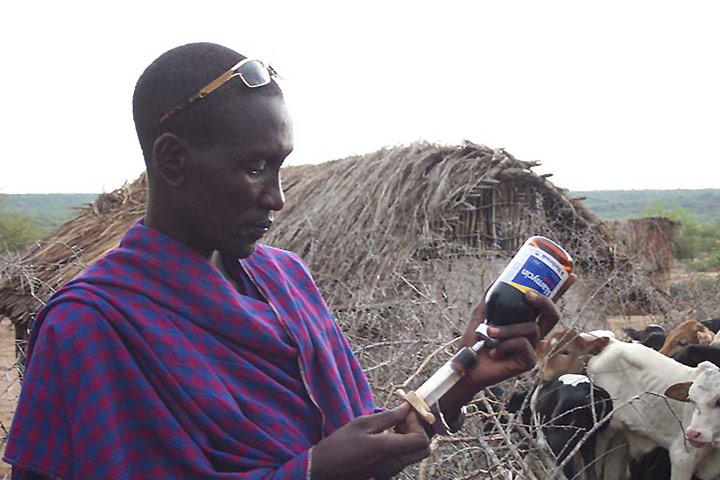
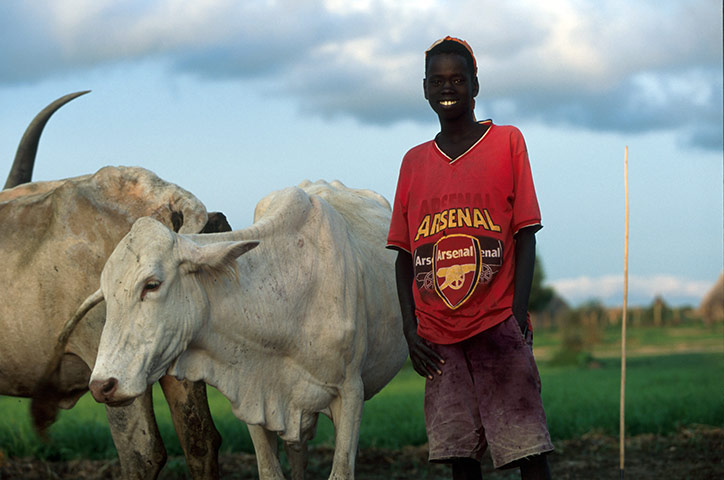
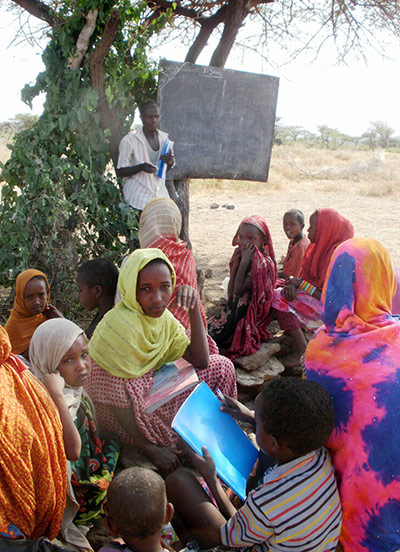
Rift Valley, Kenya: To support largely livestock-dependant livelihoods, communities are developing veterinary services for livestock healthcarePhotograph: Michael WadleighRift Valley, Kenya: Women pastoralists are also tapping into growing domestic and international markets that provide them with chances to add value to herds through activities such as milking, growing fodder and collecting manurePhotograph: Michael WadleighA Nuer herder stands by his animals in southern Sudan: Herd sizes are dwindling for most pastoralists, but for some, the burgeoning demand for livestock products across the Arabian peninsula and north Africa is generating new opportunities to create wealth and diversify livelihoodsPhotograph: Andy CatleyPastoralists in Turkana, Kenya, tend to their animals: Climate variability and contemporary threats, such as land acquisition and limited access to land for grazing put new pressure on the livelihoods of pastoralists who inhabit vast swaths of the Sahel and the greater Horn of AfricaPhotograph: Michael WadleighChildren attend school in Somali region in Ethiopia: The answer for pastoralism in the long run lies with the children. The growth of small towns in pastoral areas and new livelihood opportunities means that livelihoods in the future will look very different, even as livestock activities remain important culturally and economically Photograph: Alsion Napier
Sign up to read this article
Read news from 100’s of titles, curated specifically for you.