Gaming is no longer considered just a pastime for children or teenagers — today, it stands at the heart of emerging social spaces that span generations. While some may view adults' ongoing interest in digital play as immature, the phenomenon points to something much more profound — a cultural shift in how we connect, learn, and build community. To put it more accurately, it’s a return to an attitude we have abandoned.
Gaming provides not only outlets for stress relief, learning, and bonding, but also new arenas for virtual socialization — like kasyno internetowe — where digital connections thrive. Dive into the text below as we explore gaming’s evolving role as a genuine social space, shaping culture and community in unexpected ways.
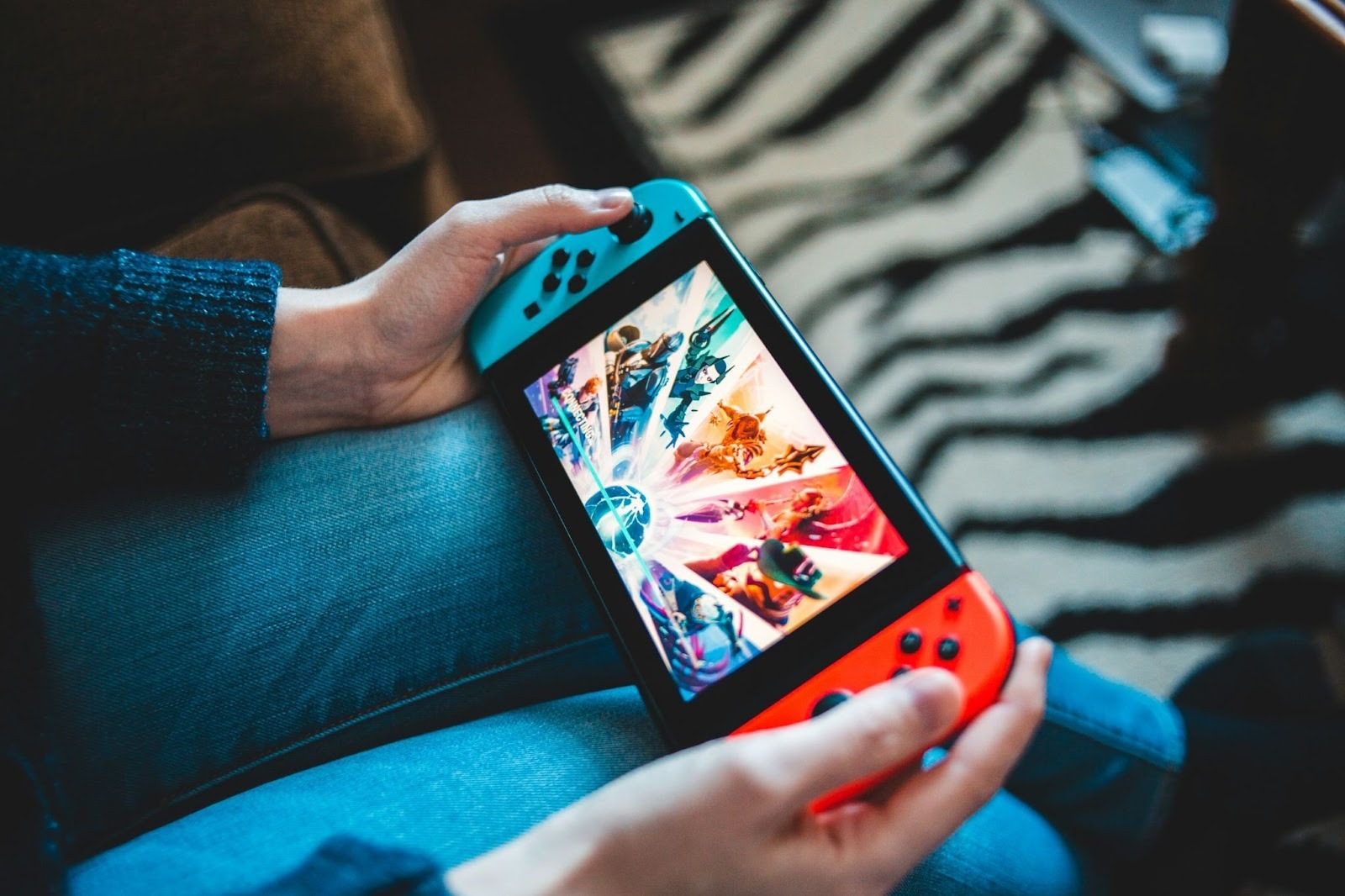
The Serious and Foundational Side of Games
In his book Homo Ludens, the Dutch cultural theorist Johan Huizinga suggests an astonishing theory that presents playfulness in a radically different light. He argues that play is inherent to the human species and, in various ways, precedes and constructs culture and society. Both games and contests, according to him, constitute civilizing functions.
Game of Thrones fans probably remember the infamous medieval trial by combat, which, in a way, can be viewed as a form of gamified law since it’s based on competition and requires an audience. Our civilizational rituals often include a gaming element that serves to reflect, create, and pass on cultural reality. This can be a positive or a negative feature since younger generations also learn harmful beliefs by playing them out.
Fortunately, playful structures can also be used to question and criticize social structures and hierarchies. Viewing playfulness as something irrelevant and only important to children is a reductive attitude that denies games their layers of reverence and complexity.
The Functions of Gaming
Playing games involves several major functions. In the sections below, the team at KasynaOnlinePolskie.com will explore each category and, hopefully, provide an answer to the titular question, as well as showcase how gaming is vital to the social habits of adult individuals.
Games as a Form of Education
Through games, many learn new information, internalize cultural norms and rules, and affirm societal hierarchy and values. Although this is particularly true for young people, adults are also not immune to learning through play, since they often engage in online discussions and measure their skills against numerous other players.
Social Space: Bonding and Dividing
Traditionally, social spaces provide opportunities for bonding or division among groups. Today, virtual places do the same. Online gaming now serves as a prominent example of how digital environments mirror and transform communal dynamics that once relied on physical proximity.
Virtual Community and Online Gaming
Online communities let people connect through similar interests and activities. They help practice or learn argumentation abilities, identify potential allies or opponents, and spread news as well as gossip. In many ways, they are just like actual communities, even harbouring a dark side of being a part of a group, like bullying.
The difference between the virtual and physical worlds does not lie in the nature and structure of the communal space itself, but in the unique features that let things happen differently within different realms. Research on the characteristics of online communities is still a work in progress, challenging us to discover their peculiarities.
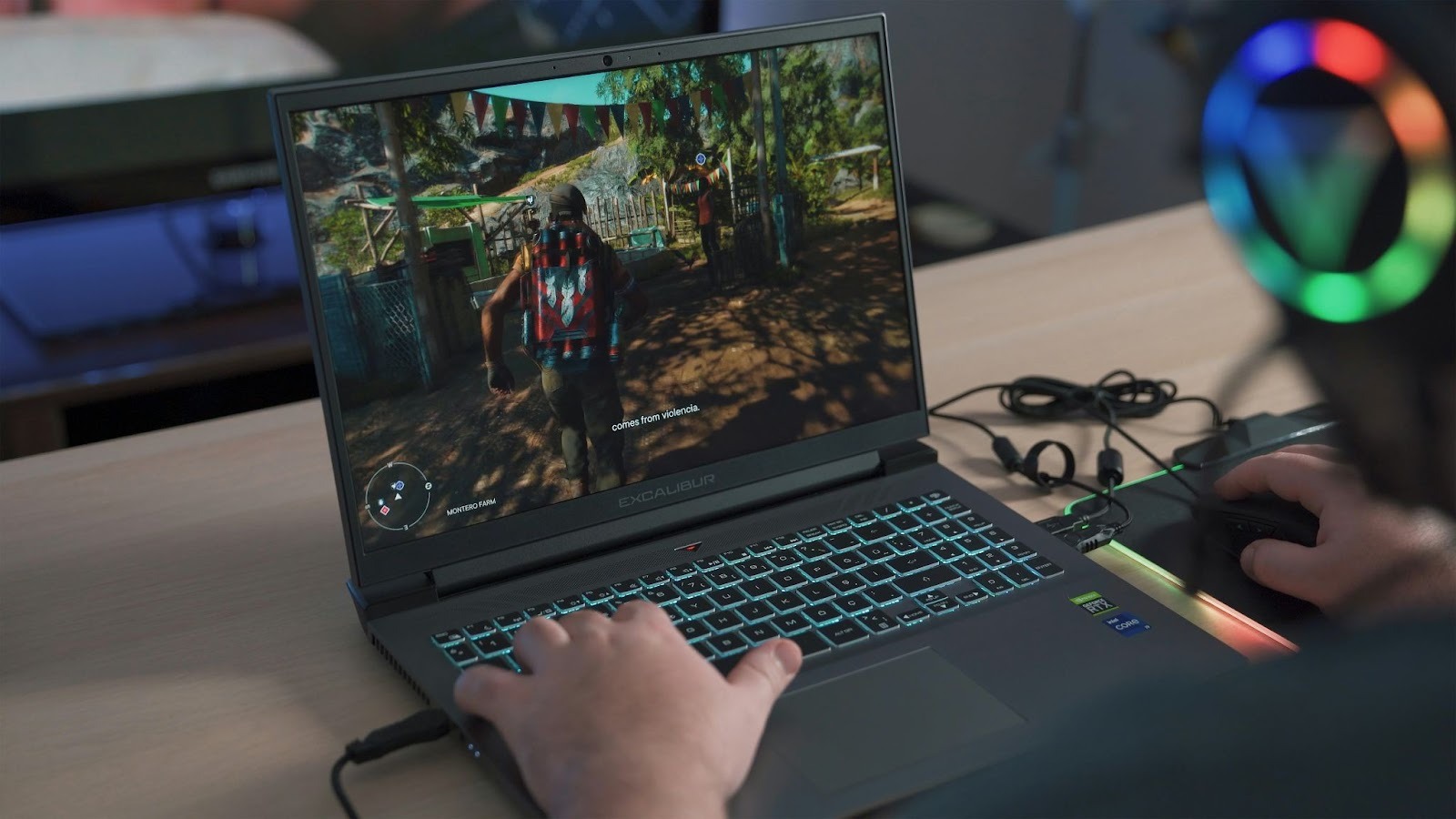
Internet Communities: Advantages and Disadvantages
Being a part of a virtual space might lack the direct contact we all need. It also allows people to be meaner due to the relative anonymity and the lack of eye contact. The distance has its definite downfalls, but there are also positive sides to online social spaces. We will discuss those through the lens of online gaming.
Online Gaming as a Social Space
Shared interests unite people globally in online gaming, erasing physical barriers that once limited social connections. This digital environment allows friendships and communities to flourish worldwide, especially for those who feel marginalized. Online gaming not only exchanges skills and experiences but also provides vital social spaces — often as dynamic and impactful as in-person gatherings.
As Kuba Nowakovski of KasynaPolskieOnline notes, “Multiplayer games foster cooperation and team-building, offering a safe and empowering space for personal and social development. Online communities provide socially inhibited individuals an opportunity to practice their conversational and social skills and gain more confidence.”
The Dangers of the Virtual Realm
Regardless of the strong sense of belonging, friendship-forming potentials outside of the direct environment and skill sharpening, virtual communities, if not balanced with an offline life, may lead to further isolation by indulging the players’ fantasies and discouraging them from real-life confrontations. Sometimes, online communication is easier due to the lack of actual contact, but fully depending on it creates more issues than it solves.
Moreover, online gaming is a highly addictive activity. Even if it’s a type of game that does not include any form of gambling, it still feeds our thrill response and can lead to the formation of unhealthy behavioral patterns. Therefore, contemporary individuals must try to balance their online and offline presence.
Conclusion
A social place or a community plays multiple roles in a broader society. They provide recognition and belonging by uniting various individuals around similar interests, values, or activities. They build a strong foundation for friendship development, allowing us to learn new skills or improve already existing ones. A proper social space prompts us to exchange experiences, cooperate, and create together, as well as sometimes indulge our darker instincts that encourage us to gossip or judge.
Online gaming, as a form of multigenerational pastime, unites different approaches to playing, and communities formed around gaming platforms definitely function as real social spaces that come with as many layers and cultural baggage as physical gatherings. The new digital era has not necessarily changed the way people connect or function in a group, but it has added new types of social spaces and communities, with their unique rules, features, and potential.