I am reading Dominic Sandbrook's history of the late 1970s, Seasons in the Sun. It is a brilliant and revelatory read – the most exciting book about modern Britain I have read since I discovered George Dangerfield's The Strange Death of Liberal England as a teenager.
Don't believe critics who caricature Sandbrook as a right-wing propagandist – this is amazing history, multifaceted in its sympathies and imagination.
And it casts a fascinating light, by accident, on the place of art in 21st-century Britain. Sandbrook uses cultural evidence voraciously to illuminate the age he is writing about: one minute he is examining high politics, the next expounding the political meaning of The Likely Lads. Yet in all his excurses on pop music, theatre, novels and adverts (is he right to see Bernard Matthews saying "bootiful" as a 70s, rather than 80s, phenomenon?) I have yet to find anything about the art of the time.
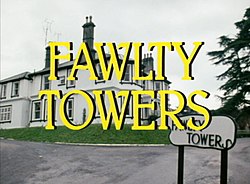
Perhaps that is coming up; after all it's a big book. But he is right not to foreground art in the way he does, say, theatre. In the 1970s, and 80s for that matter, modern art was a marginal phenomenon in British life. It was not a key cultural expression like Fawlty Towers was.
By contrast, a history of Britain in the early 21st century would have to give art a central place. Move over Basil Fawlty – the cultural barometers of today's Britain are artists.
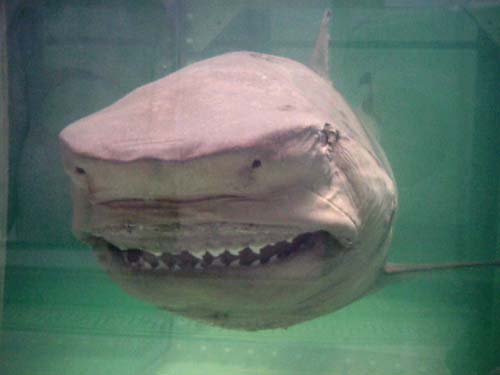
Looked at from a historical perspective, the British art boom is definitely a product of Thatcherism. It clearly was not deliberate on their part, but the Thatcher-led Tory party in the 1980s encouraged a new daring by young artists. They made culture feel like a market place – and no form of culture is more monetary than art. No wonder Charles Saatchi saw what was going on so much quicker than public museums did.
New Labour played its part as well, embracing the image of the new modern British artists.
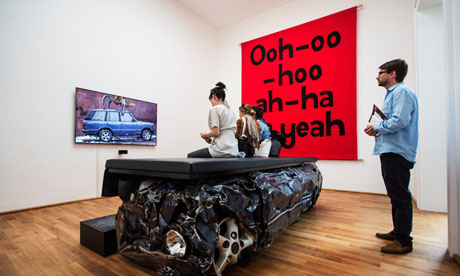
So today, artists have a real voice – and how do they use it? In Venice, Jeremy Deller angrily denounces various national sins. But there's a paradox here. The language of modern British art often sounds radically left-wing. Everything that makes it happen, however, comes from the profound changes that Margaret Thatcher and Tony Blair brought to Britain. It is nothing like as subversive as it wants to be.




.png?w=600)