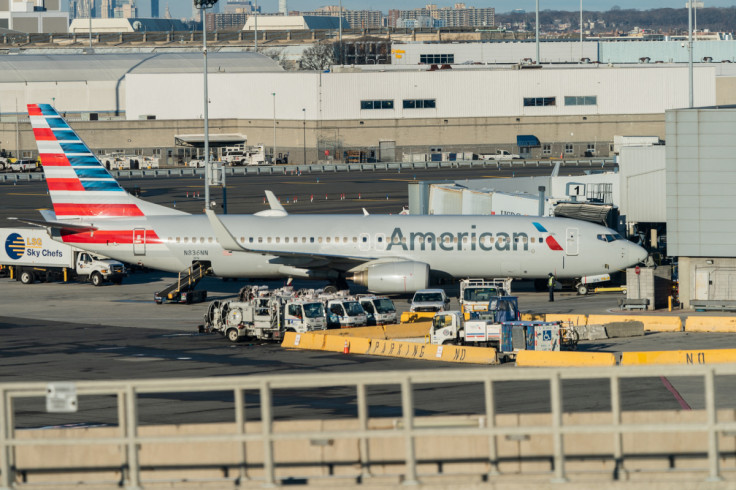
Travelers at John F. Kennedy International Airport on Saturday, March 28, 2026, continued to face extended security wait times due to persistent TSA staffing shortages triggered by the partial government shutdown, with real-time reports showing standard lines averaging 30 to 60 minutes or more during peak periods and some terminals experiencing significantly longer delays.
JFK, one of the busiest airports in the United States handling tens of millions of passengers annually, has seen its official wait time reporting suspended or marked with warnings about rapidly changing conditions. Airport officials and the Transportation Security Administration have repeatedly advised passengers to arrive significantly earlier than normal — often three to four hours or more for domestic flights — to avoid missing departures amid the unpredictable lines.
As of midday Saturday, third-party trackers and traveler reports indicated standard TSA security waits fluctuating between 38 and 75 minutes depending on the hour and terminal, with some early morning and afternoon slots pushing higher. TSA PreCheck lanes offered some relief but were not immune, occasionally seeing 15- to 40-minute waits when lanes were limited or closed.
Current Conditions at JFK Terminals
Security wait times at JFK vary widely by terminal and time of day. Recent snapshots from Saturday showed:
- Terminal 4 (major international hub): General lines around 18-42 minutes, with PreCheck often under 5-10 minutes when open.
- Terminal 5: Reports of up to 42-54 minutes in general screening.
- Terminal 1, 7 and 8: Shorter waits in the 2-22 minute range for general lines during off-peak hours, though subject to sudden spikes.
- Overnight and early morning (midnight to 7 a.m.): Waits frequently exceeded 60 minutes in some slots.
- Peak afternoon (1-4 p.m.): Longest reported periods, reaching 65-75 minutes in standard lines.
The airport's website prominently displays a notice: "Due to the federal funding lapse, TSA staffing shortages are causing rapidly changing security wait times. Please allow significantly more time." Officials have suspended detailed real-time posting in recent days because conditions shift too quickly for accurate updates.
This situation mirrors challenges at other major hubs, including Newark Liberty International and LaGuardia, where travelers have reported waits of two to four hours during the ongoing crisis. TSA Deputy Administrator Ha Nguyen McNeill has described current delays as the longest in the agency's 24-year history, with officer call-out rates reaching 40-50% at heavily impacted facilities.
Why Wait Times Are Elevated
The primary driver is the partial government shutdown affecting federal funding and operations. Thousands of TSA officers are working without guaranteed pay, leading to higher absenteeism and reduced staffing at checkpoints. At JFK, this has resulted in fewer open lanes, especially in PreCheck areas, and slower processing even for compliant travelers.
Additional factors on March 28 include typical Saturday travel patterns, lingering spring break crowds, and potential weather impacts in the Northeast. While not a holiday weekend peak, international departures from terminals like 4 and 8 add complexity with extra screening requirements.
Tips for Travelers at JFK Today
Airport authorities and travel experts strongly recommend the following strategies:
- Arrive early: Plan for at least three hours before domestic flights and four hours for international departures. Some officials suggest even more buffer time.
- Enroll in expedited programs: TSA PreCheck, CLEAR and Global Entry can dramatically reduce wait times when available. However, even these lanes have seen occasional backups.
- Use real-time tools: Check the MyTSA app for crowd-sourced reports, Takeoff Timer for live estimates, or third-party trackers. The official JFK site provides general warnings but limited specifics.
- Pack efficiently: Follow the 3-1-1 liquids rule strictly. Remove laptops, liquids and large electronics early. Wear easy-to-remove shoes and avoid bulky items.
- Monitor your flight: Use airline apps for gate information and any delays. FlightAware can show real-time status.
- Consider alternatives: Public transportation via AirTrain JFK and the subway or rideshares can help avoid road traffic, but factor in extra time for connections.
Travelers with disabilities or needing assistance should contact the airport or their airline in advance for expedited support.
Broader Impact on New York-Area Travel
The staffing crisis has affected the entire New York metropolitan area. Similar warnings apply at Newark and LaGuardia, creating ripple effects for connecting passengers. Some travelers have reported missing flights despite early arrival, while others describe chaotic scenes with long, snaking lines and frustrated passengers.
The situation has sparked renewed calls from aviation unions and lawmakers for resolution to the funding issues. In the meantime, airlines have adjusted some schedules, but cancellations and delays remain common.
What to Expect Later Today and Tomorrow
Wait times at JFK tend to ease somewhat in late evening hours (after 9 p.m.), with shorter lines reported in overnight slots. However, Sunday could see another uptick with weekend return traffic. Conditions remain highly variable, so checking updates within an hour of departure is essential.
JFK continues to operate all major terminals, though some checkpoints may have reduced capacity. International arrivals face separate CBP processing, which can add further time depending on flight volumes.
Staying Informed and Prepared
For the most current information:
- Visit jfkairport.com for official notices and any available data.
- Download the MyTSA app for real-time crowd reports.
- Follow JFK's official social media for alerts.
- Contact your airline directly for flight-specific guidance.
Despite the challenges, JFK remains a vital global gateway offering extensive domestic and international connections. Airport staff are working to manage lines as efficiently as possible under constrained conditions.
Travelers are urged to stay patient, prepared and flexible. The current TSA situation serves as a reminder of the importance of proactive planning during periods of operational strain. Those departing from JFK on March 28 should prioritize extra time to ensure a smoother experience through security and beyond.
As the partial shutdown continues without immediate resolution, conditions at major airports like JFK are expected to remain challenging in the coming days. Monitoring reliable sources and building in substantial buffer time represent the best defense against long lines and potential disruptions.
Originally published on ibtimes.com.au