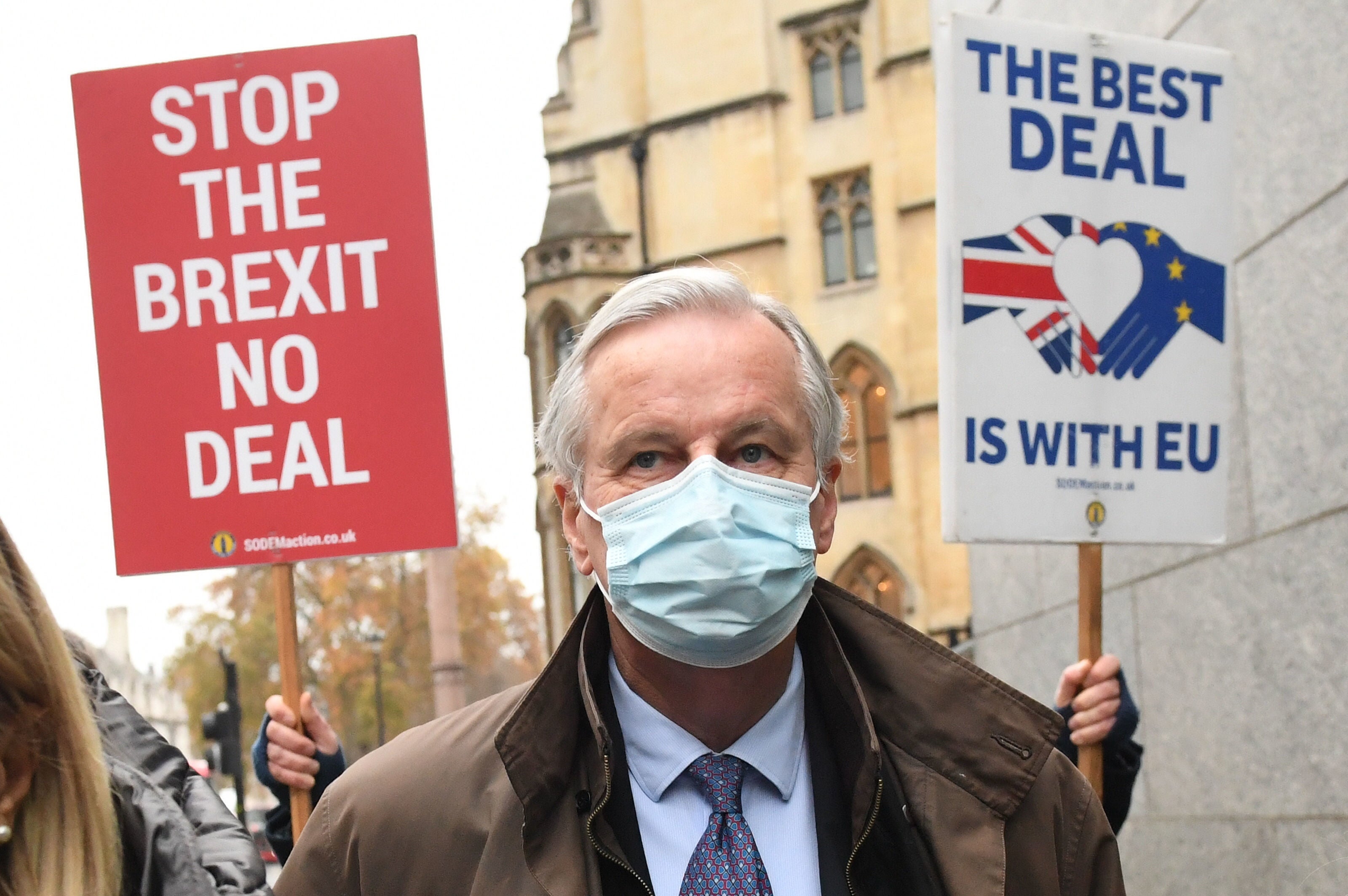
icola Sturgeon, the first minister of Scotland, has called once again on the government to extend the Brexit transition period. This is nothing new but in politics, the same as comedy, er… timing is everything. With the blockade of transports from Britain as the new “sick man of Europe”, and chaos at the courts already mounting, even the most flinty of Brexiteers might be persuaded that shortages of food probably aren’t worth it, and Brexit might be usefully delayed for a few weeks at least. The talks, after all, are continuing, but they’re unlikely to convene over the holiday season. Travel and communications, and the ability of the politicians to deal with multiple crises, are under dangerous strain. It is all, as they say, unprecedented.
Sturgeon has been joined by a few other voices, and the chorus is bound to grow. However, for now, Downing Street is against the move. Whether this is a negotiating tactic or adamantine policy is of course unclear.
There are two reasons why extending the transition period would be awkward, but far from impossible. After all, it has happened before. On the EU side, under treaty law, the deadline for requesting a further extension of the transition period has already passed. That was on 30 June, but it is difficult to believe that the unanimous assent of the 27 member states could not secure some way around this problem.