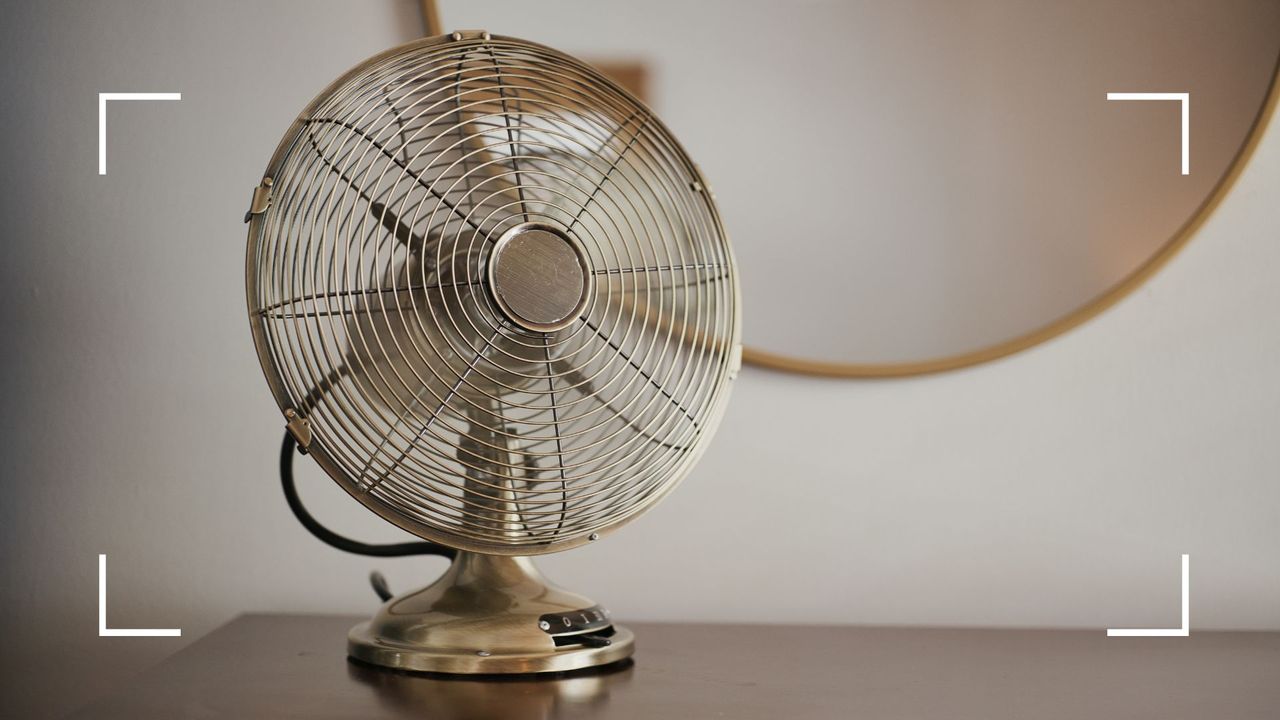
During the hot weather, we're all looking for ways to stay cool – both day and night. Keeping your electric fan on into the evening might seem tempting, but it may not be the best idea to leave it running while you drift off.
When finding ways to keep cool in the summer, a fan is usually the number one choice. However, after running your fan all day, you may question if it's safe to keep it on to keep your bed cool during the night.
Running a fan for that long may seem necessary, but what are the safety issues of running an appliance without breaks? Is it safe to leave an electrical appliance running all night? We spoke to appliance and electrical specialists to find out.
Is it safe to leave an electric fan on overnight?
When it comes to sleeping in the heat, there are a few things that can help you get enough rest. Whether that's investing in the best sheets to keep you cool or choosing from the best cooling mattresses, the sleep environment you create can change things.
Ian Palmer-Smith, an appliance repair expert at Domestic & General, says, "I would never recommend leaving your fan on overnight. With the hot evenings, it can be very tempting to leave it on as you sleep, but two key issues make this a bad idea."
"Firstly, if a fault occurs in the equipment while you are asleep, you are putting both yourself and your family at risk. Secondly, cooling fans circulate air, but they also spread dust mites, spores, pollen, and other allergens around the rooms," he continues.
Should you be a hayfever sufferer, then this can cause symptoms to worsen or present themselves. Ian explains that leaving your fan on during the night can also dry out your nose and throat, potentially making you feel ill.
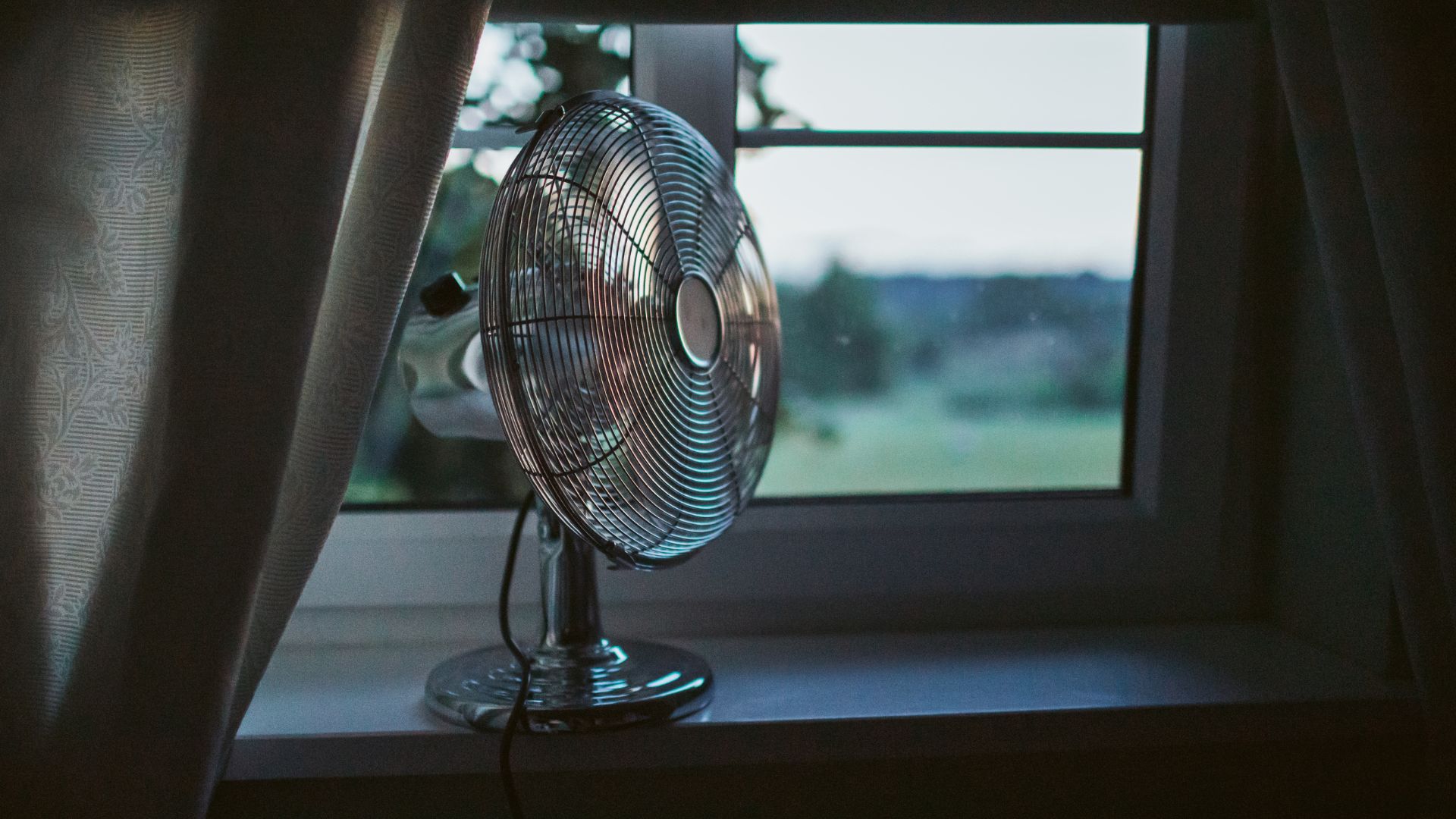
Speaking to a licensed electrician at Fantastic Services, David Miloshev, he says, "To prevent electric fires and dust circulation, it’d be safest to turn it off before you go to sleep. Also, I’d highly recommend checking and making sure your smoke alarm systems are in working order."
Suggesting an alternative way to keep a bedroom cool, he says: "Invest in thick dark curtains, which you can draw to preserve the cool air indoors instead of being heated by the sun in the morning."
And whilst the cost of running an electric fan isn't too much, there is a matter of energy consumption to consider, too.
David explains, "You’ll also need to consider the problem of energy consumption. Even though electric fans are generally more energy-efficient compared to air conditioning units, it's still something to keep in mind if you are concerned about your bills."
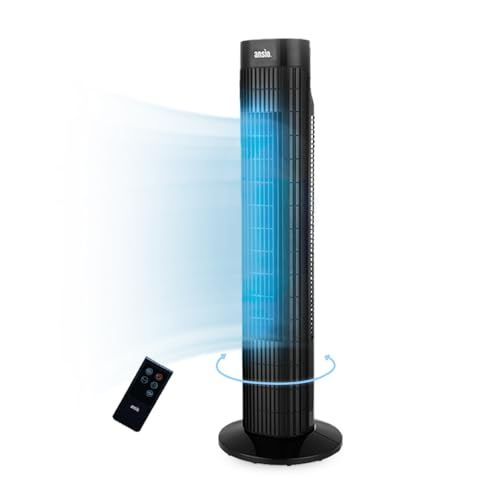
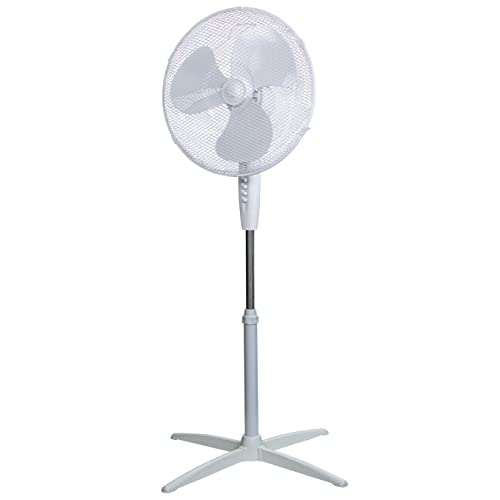
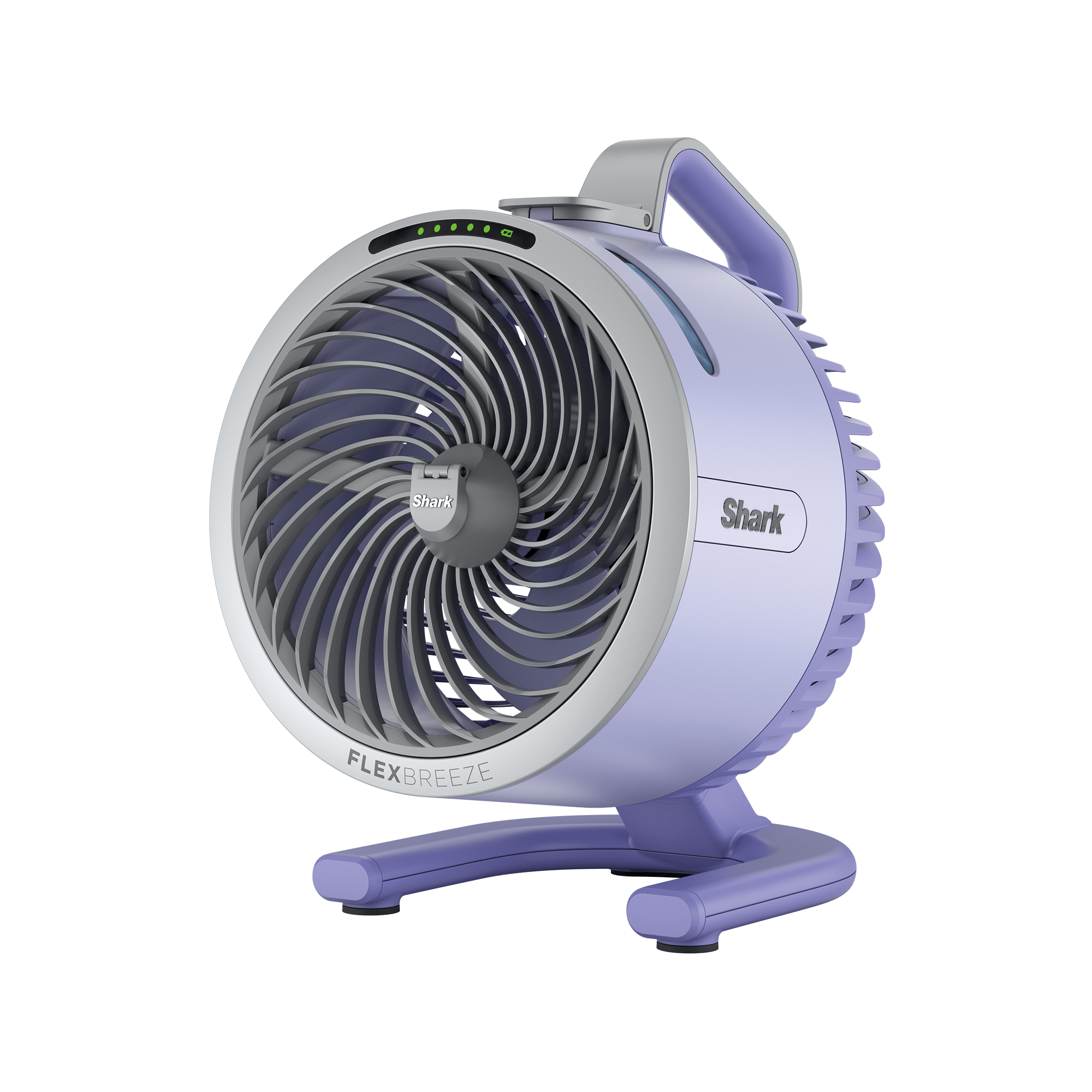
Different low-energy electric fan options
How long should you leave an electrical fan on?
So how long can you keep your fan on without it becoming a safety issue? Even when you're using some expert fan hacks, there is still a limit to how long you should ideally use the appliance.
"Besides the risk of an electrical fire and health complications, when you leave the electric fan on for too long, you’re also running the risk of burning its motor. Even though that shouldn’t happen for a while if the fan isn’t a cheap model, it’d still be good to keep it running with caution," explains David.
It's still difficult to determine an exact time limit when it comes to how long you should keep your fan on. David says this timing could depend on several factors, such as the quality of the fan, how well it's maintained and how much it's used. That's why it's important to know how to clean a fan properly.
"Most electrical fans are designed to be able to run continuously for several hours at a time, for example, overnight or during the day, but you’ll also need to keep in mind that doing that continuously for long periods can cause wear and tear on the motor and other components, shortening its lifespan," continues David.
FAQs
Is it a fire hazard to leave a fan on?
Even the best cooling fans on the market can only be on for so long, but when it comes to safety risks, the better the quality of the fan, the lower the risk.
“In rare circumstances, leaving an electric fan on can be a fire hazard, though modern, well-maintained fans are usually safe. The biggest risks are posed by faulty wiring, dust buildup or damaged internal components. It’s essential to carry out regular maintenance and basic safety checks to reduce these risks,” says Katie Lillywhite, small appliance expert at AO.com.
How long is too long to have a fan on?
With all the potential cooling mistakes to make in your home, leaving your fan on for too long is high on the list.
“Although electric fans are designed to be able to be on for long periods of time, there are a range of safety and usage considerations to consider," starts Katie.
“It’s best to steer clear of leaving fans on overnight or whilst there is no one in the house, as faulty motors could pose a fire risk if they overheat. And as fans cool people, not rooms, it’s best to switch off once you’ve left a room to avoid wasting electricity," she adds. “It is key that the fan is well maintained, monitored, clean and in good working order to help it operate safely and efficiently.”
We recommend using safer hacks like freezing a hot water bottle to help you stay cool for longer periods.
Is it unhealthy to sleep with a fan at night?
There are only a few ways to keep cool in summer that are as effective as keeping a fan on you, but what issues can these cause to your health when it's on all night?
“In most cases, sleeping with a fan on overnight is unlikely to be unhealthy. Though constant cold airflow can contribute to dry eyes, dry skin or irritation of the nose and throat, which can be exacerbated for those with allergies and sensitivities. I’d recommend positioning the fan away to avoid direct airflow and minimise these effects,” suggests Katie.
The key to keeping both you and your fan happy and functioning is only using it either through the day or through the night. David recommends giving your fan periodic breaks to prevent overheating and extend its lifespan, as well as investing in other cooling solutions around your home.
He says, "Use the appropriate setting, for example, a lower setting to help reduce wear on the motor and regularly inspect it for signs of wear and tear, such as unusual noises and vibrations."