1/7 - Is it a good idea to visit Manali in peak summer?
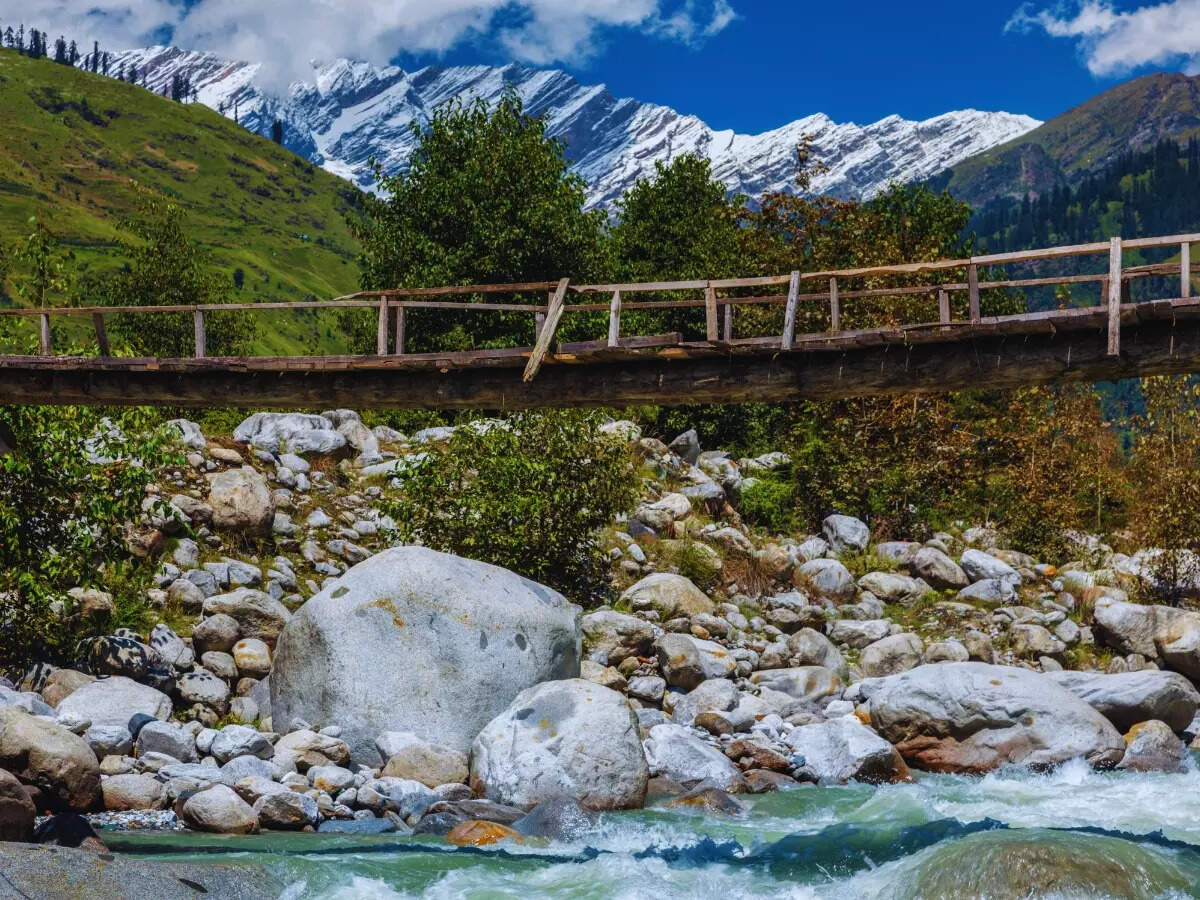
As the summer sun blazes across India’s plains, turning cities into ovens with temperatures soaring past 40°C, Manali stands out as a cool sanctuary in the Himalayan foothills of Himachal Pradesh. Perched at 2,050 meters (6,726 feet), this picturesque hill station beckons with its promise of crisp air, snow-dusted peaks, and a vibrant seasonal buzz. Peak summer, from May to June, marks Manali’s busiest time, drawing families, honeymooners, and thrill-seekers eager to escape the heat and dive into its offerings. The weather is near-perfect for adventure and sightseeing—but the season’s popularity brings challenges alongside its charms. Is this the right time for your Manali getaway? Here’s a closer look at what to expect.
2/7 - Pleasant weather
Manali’s summer climate is a major draw, offering a stark contrast to the sweltering lowlands. Daytime temperatures typically range from 15°C to 25°C, warm enough for comfortable outings yet cool enough to feel refreshing. Nights drop to around 10°C (50°F), calling for light woolens—a welcome change from the sticky heat elsewhere. The sun shines strongly at this altitude, so sunscreen and hats are wise.
3/7 - Adventure opportunities
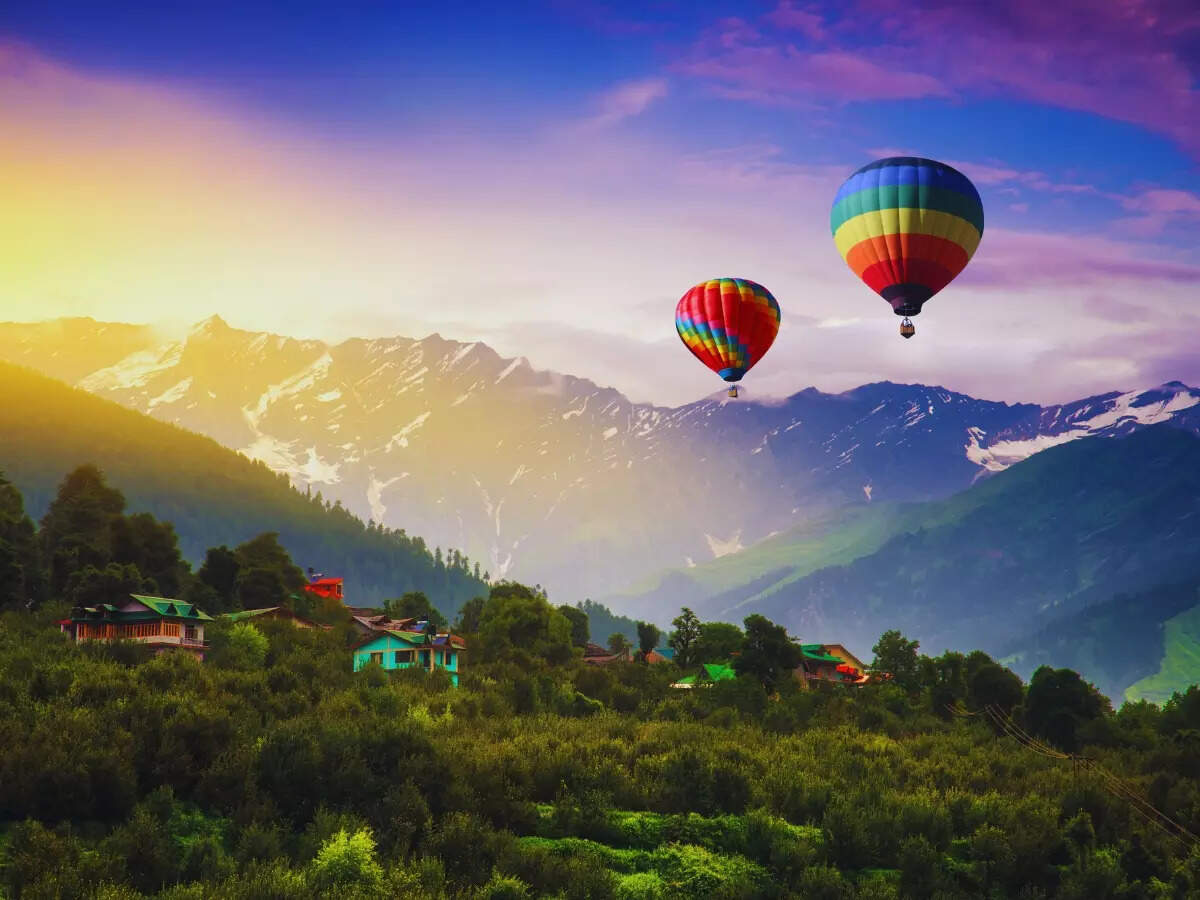
Summer unlocks Manali’s full adventure potential. Solang Valley buzzes with paragliding, letting you soar above green slopes, while the Beas River’s rapids offer white-water rafting thrills. Trekkers flock to routes like Hampta Pass or Bhrigu Lake, where trails wind through meadows and alpine vistas. Rohtang Pass, accessible from May (with a permit), dazzles with lingering snow, perfect for a day trip just 51 kilometers from town.
4/7 - Crowds and congestion
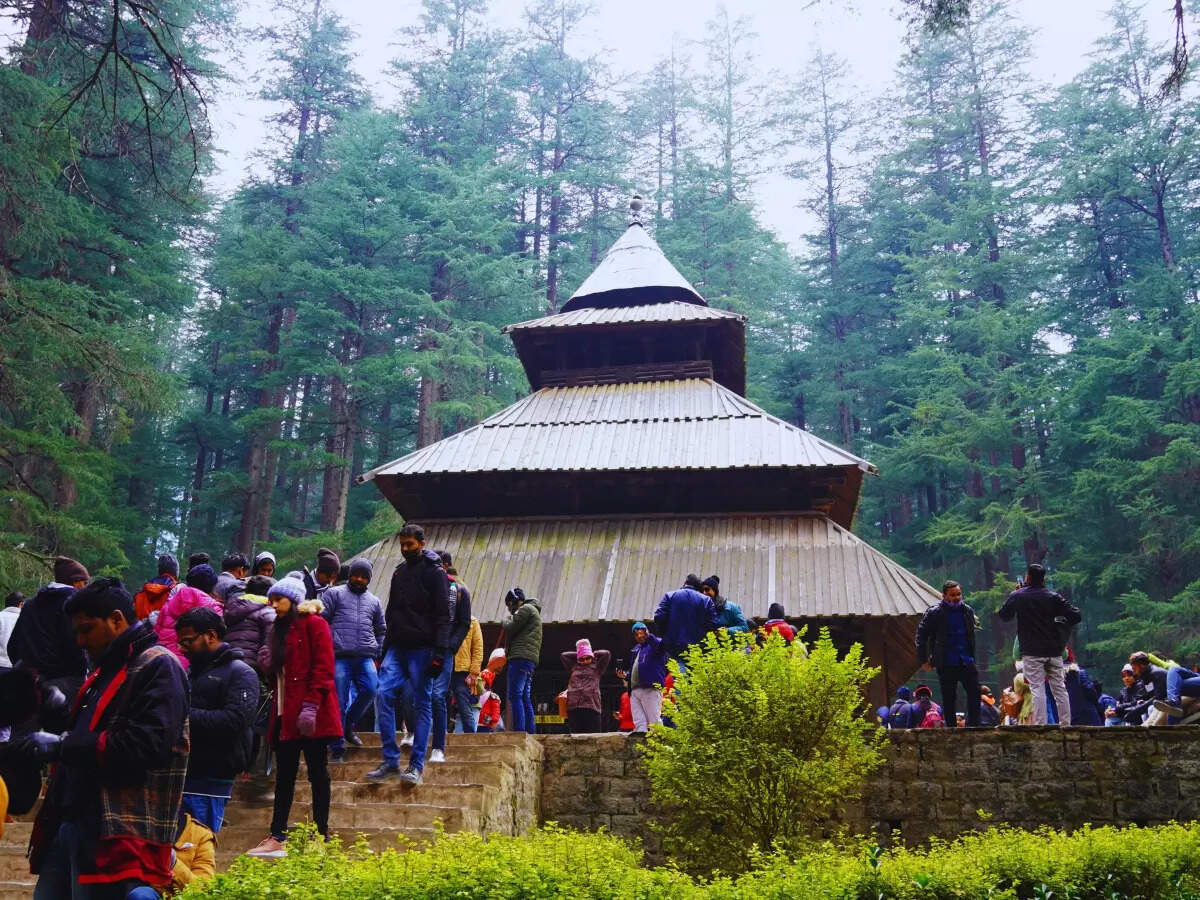
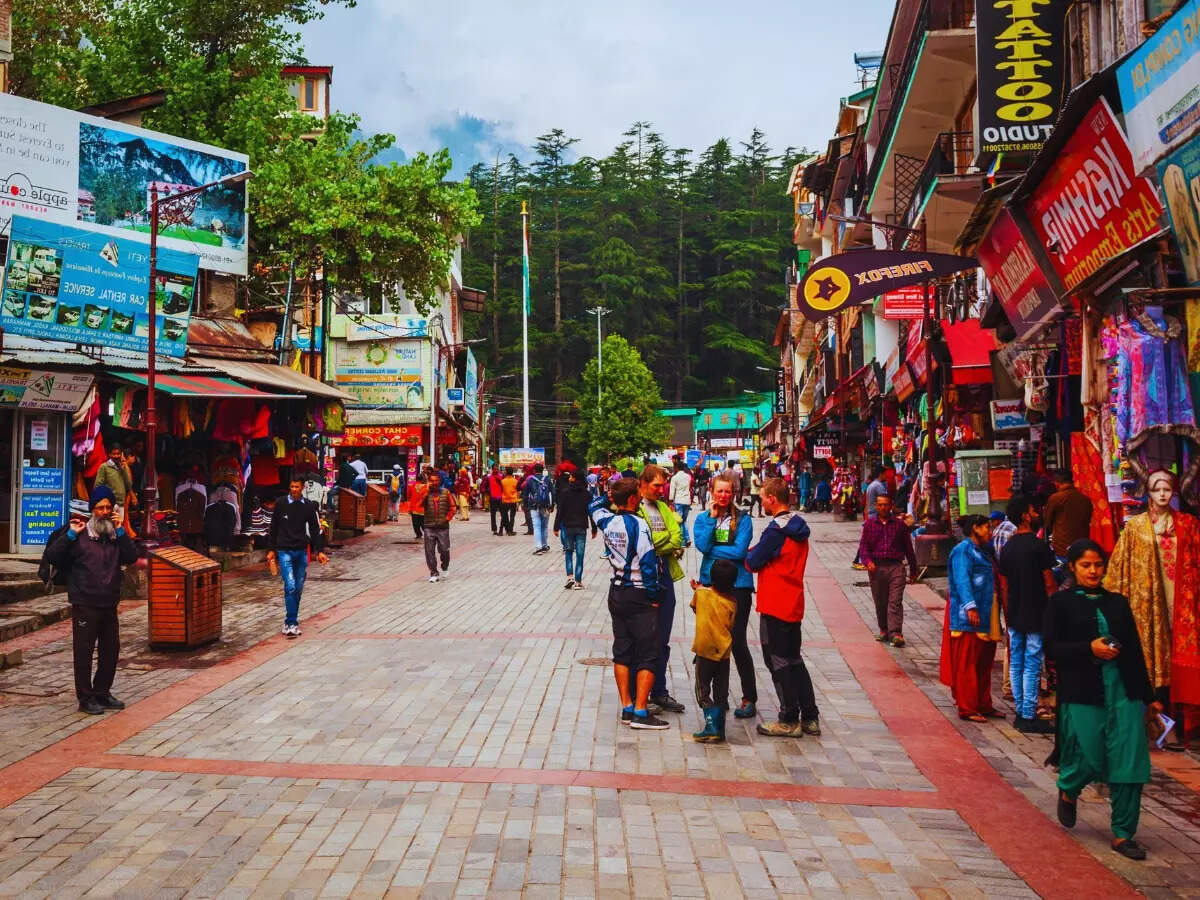
Peak season transforms Manali into a tourist magnet, and with that comes a crush of visitors. June, especially, sees the town teeming with people, turning quiet retreats into bustling hubs. Narrow mountain roads are clogged with vehicles. If you crave solitude or dislike jostling for space, this hustle can sap the hill-station charm.
5/7 - Higher costs
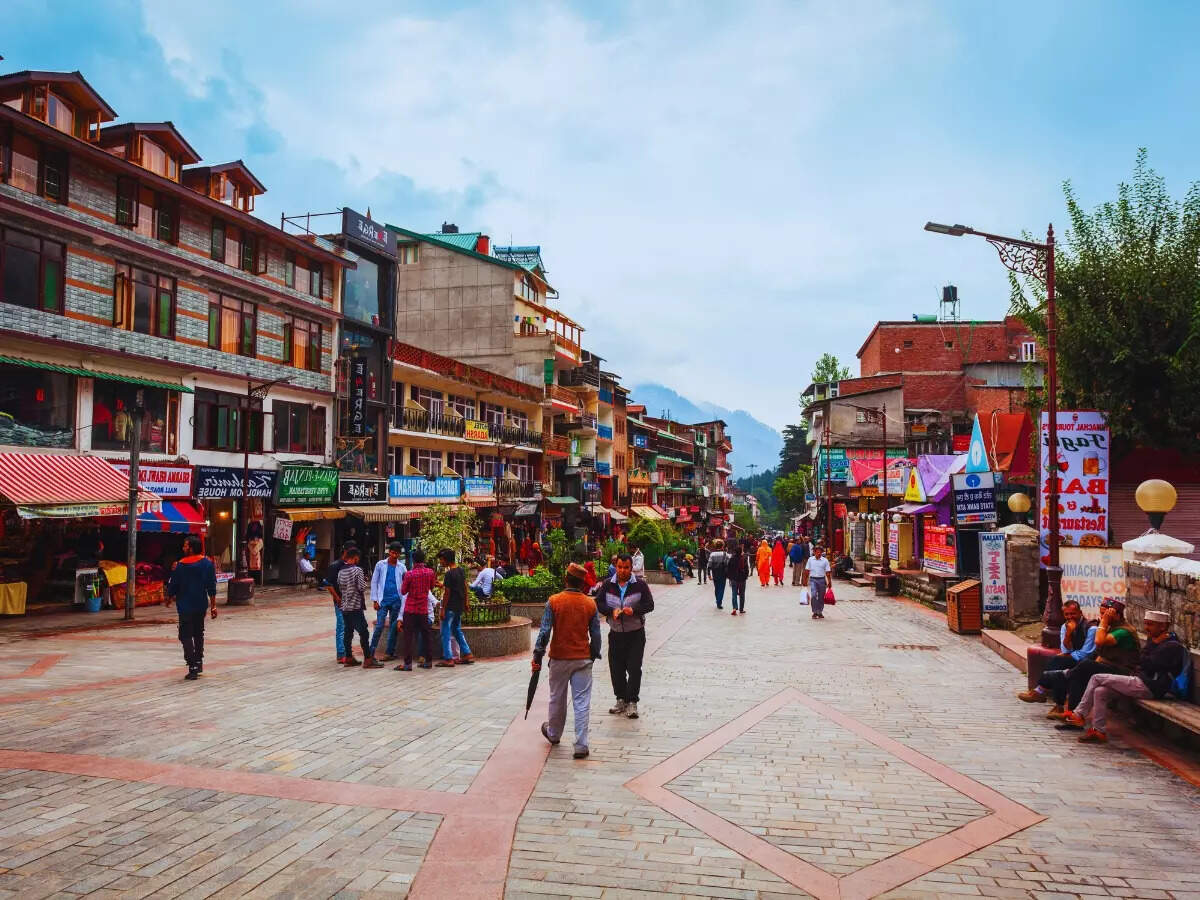
The influx of tourists drives demand sky-high, and prices follow suit. Hotels, guesthouses, and homestays often double or triple their rates, with budget options booking out fast. Transport—be it taxis or buses—also sees fare hikes, and last-minute travelers may face slim pickings or exorbitant costs. Early reservations are a must to lock in reasonable deals.
6/7 - Natural beauty and events
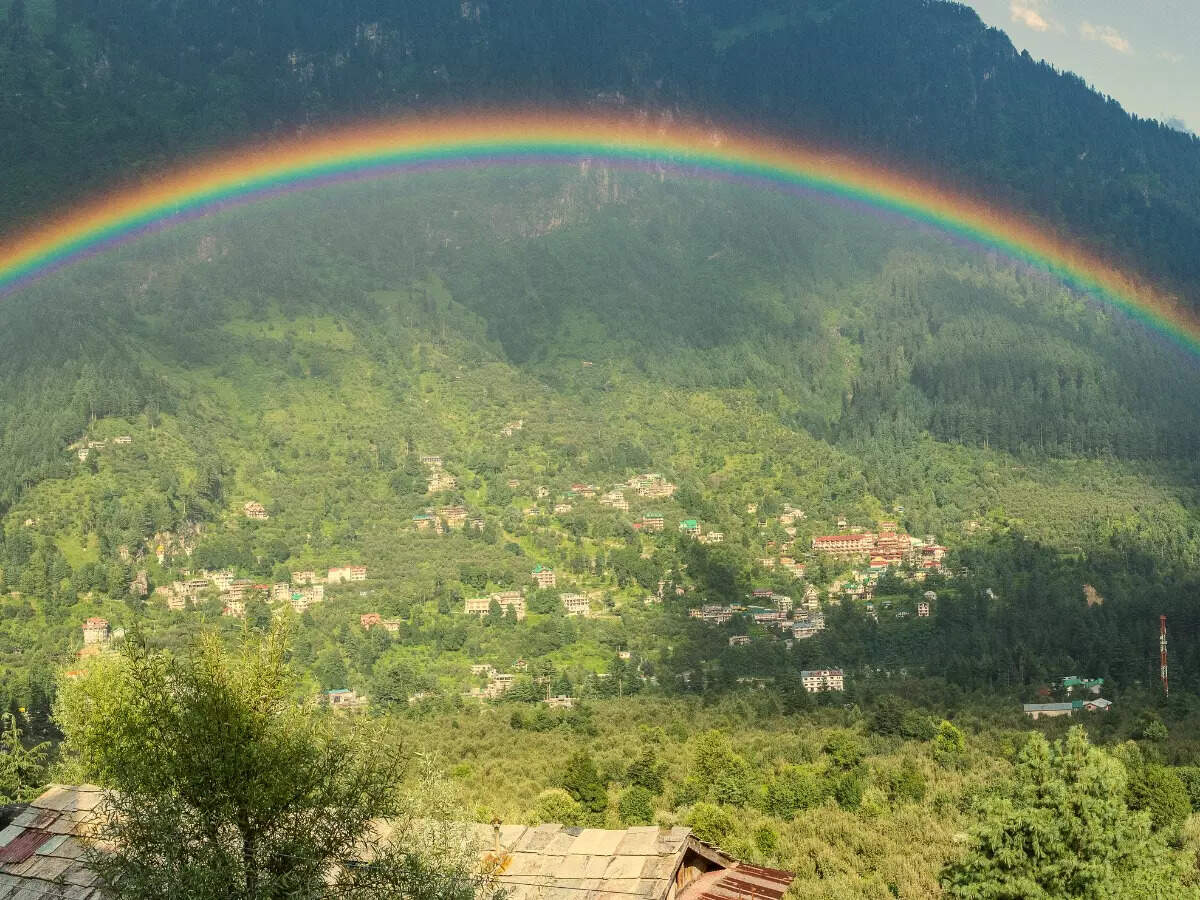
Summer paints Manali in vivid hues—pine forests glow green, wildflowers dot the landscape, and the Beas River sparkles under clear skies. It’s a feast for nature lovers, amplified by access to high-altitude vistas like Rohtang or Marhi. Culturally, the Doongri Forest Festival in May brings the town alive with folk dances and rituals honoring Hadimba Devi, offering a glimpse into local traditions.
7/7 - Logistical hassles
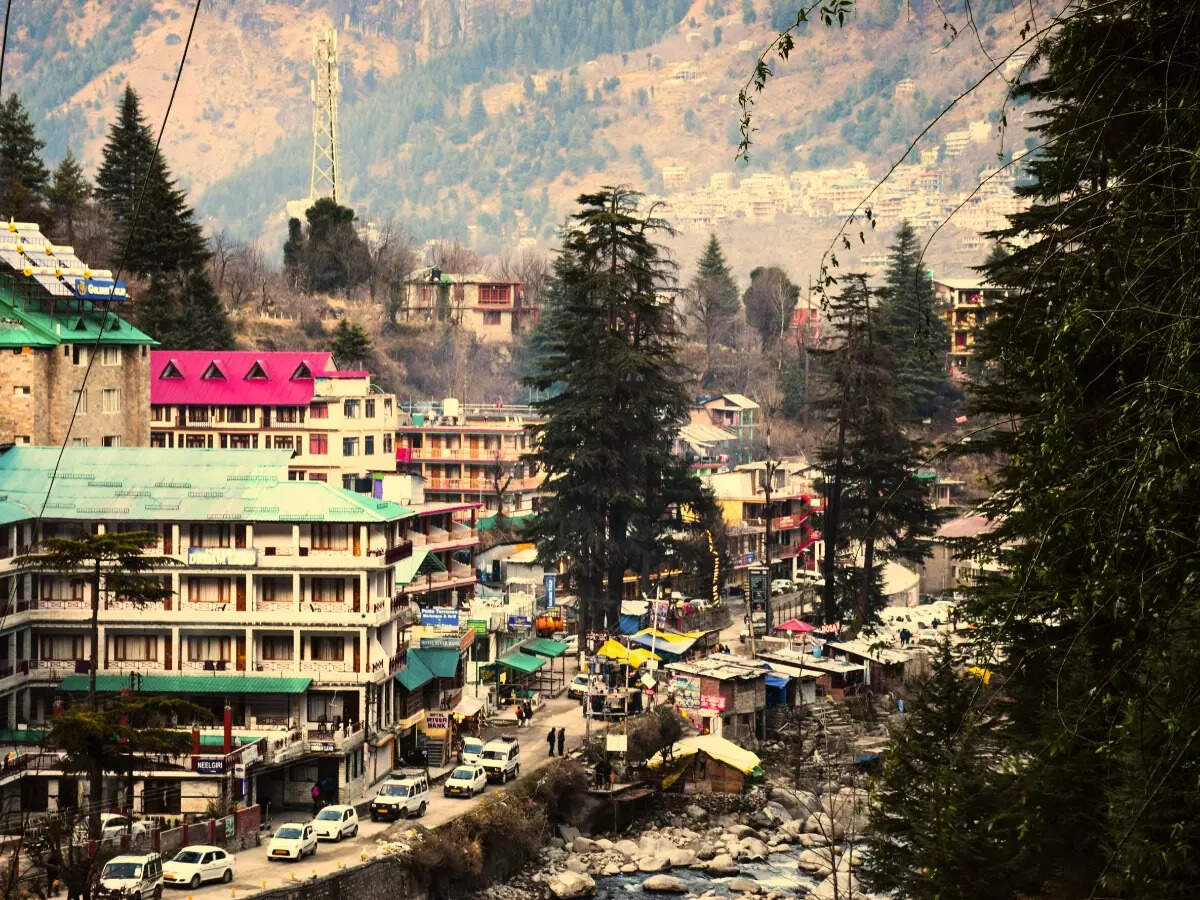
The sheer volume of visitors strains Manali’s infrastructure. Expect long queues at attractions, limited parking, and occasional chaos at eateries or ticket counters. Rohtang Pass requires an online permit, adding a planning step that can trip up the unprepared. Local resources—water, power, even staff—get stretched, and while authorities manage, the experience can feel less seamless.