There are plenty of good reasons why journalists shouldn’t pay their sources. Think lack of cash in a shrinking market. Think how investing in one story means dismissing other interpretations of what happened too blithely: you’re hooked on what you paid for. Think how a hired witness will lose credibility in court. And, of course, think of the shame you may feel in polite society as the dread phrase “chequebook journalism” curls lips round a dinner table. But perhaps – as last week’s wave of not guilty verdicts and collapsing cases showed painfully clearly – you can think too much.
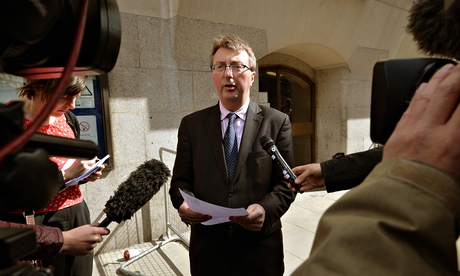
Operation Elveden spent £20m digging through old Sun and News of the World payment chits, turned over wholesale by a chastened Murdoch empire, and then launching cases to scrub the stables clean. Maybe the Met didn’t do so brilliantly over phone hacking (you are meant to say), but by golly! they’re on their mettle now.
Except that public opinion, as manifest time and again in jury-box wisdom, isn’t on board. It doesn’t like the ancient bit of common law wheeled out to bring charges. It isn’t altogether impressed with police performance. It doesn’t like seeing journalists left dangling for years awaiting trial. And – crucially – it feels no instant empathy with the ethics codes of polite society. It distrusts portentous chaps in waistcoats or wigs telling it what to think. It reads the offending newspapers rather more thoroughly than those who lecture on moral lapses. In short, it shows – time and again – which side it’s on. A glum message for the DPP; and, perhaps, for those who seek to muzzle what’s left of the press.
Of course the run of humiliating verdicts for DPP and Met shouldn’t be inflated into some overarching thesis. Every case is different, just as every story is different. But the ritual “public interest” test – the difference between worthy and scabrous in some eyes – doesn’t really hold through month after month of courtroom argument. Jurors, thank heavens, come from all walks of life and read all sorts of stories: stories that interest them. Their definition of “public interest” is inevitably variable. And when told they have no right to know, they know what to reply.
Shouldn’t the DPP and the Elveden squad have seen this coming much earlier? Perhaps, but they were riding the high horses of moral indignation. See how foolish they look today. Trying to jail journalists anywhere in the world is serious business, and you can look seriously foolish, seriously out of touch, if you get it wrong. As they do.
■ The Daily Mail is “tempted to support Ukip”, or would be if it weren’t for “untrustworthy” candidates who play descant to Nigel’s one-man band. Policies “sound”; proponents fruitcakes. And if there were any chance of changing Thursday morning’s Mail leader, it went west that afternoon when Dickie Desmond sent £1m to Farage. Labour-SNP coalitions may be unthinkable, but not as unthinkable as a Mail-Express pact.