
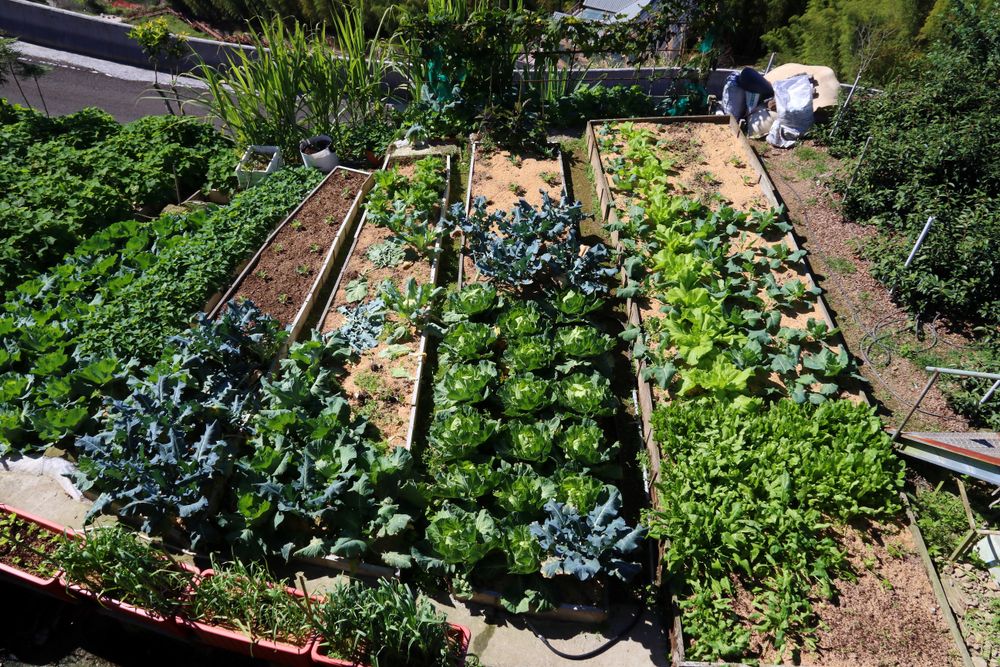
If you’ve ever bought seeds with big hopes and ended the season wondering where the harvest went, you’re not alone. A lot of “low-yield” gardens don’t fail because of bad soil or bad luck—they fail because the layout wasn’t planned early enough. When you sketch things out before planting, you stop wasting space, sunlight, water, and money on impulse decisions. You also catch problems that are expensive to fix later, like beds placed in shade or crops that block each other. Done right, garden mapping is one of the cheapest ways to boost yields because it turns your existing space into a smarter system.
1. Start With Sun And Shade Before You Pick Crops
The fastest way to waste money is planting sun-lovers in spots that only get a few hours of light. Spend a couple days noting where sunlight hits in the morning, midday, and late afternoon. You can do this with quick phone photos, a sticky note on a window, or a simple sketch on paper. Once you know your true sunny zones, your crop choices get easier and more realistic. This is the first win of garden mapping because it prevents low-yield “mystery failures.”
2. Measure Your Space So You Stop Overbuying Seeds
Most gardeners overspend on seeds because they don’t know how much they can actually plant. Measure bed length and width, then calculate the square footage with basic math. Use seed packet spacing to estimate how many plants fit, and you’ll instantly see which purchases are extra. If you grow in containers, count the pots you already own and plan around those first. Garden mapping keeps you from buying three tomato varieties when your setup only supports one.
3. Map Your Water Path And Make It Easy To Maintain
A garden that’s annoying to water becomes a garden that gets neglected, and that hits yields fast. Mark where your hose reaches without dragging across beds or snapping seedlings. If you rely on watering cans, place thirsty crops closer to the spigot or rain barrel. Plan pathways that let you water without stepping into growing areas and compacting soil. When garden mapping includes water flow, your routine stays consistent and your plants stay productive.
4. Use “High-Value Zones” For Crops You Harvest Often
Not every crop deserves prime real estate right next to your door. Put salad greens, herbs, green onions, and cut-and-come-again crops in the easiest-to-reach spots. When you can harvest quickly, you harvest more often, and that boosts total yield over the season. It also reduces waste because you’ll actually use what you grow. Garden mapping helps you design convenience on purpose instead of by accident.
5. Plan Succession Planting To Keep Beds Producing
Empty soil is a missed opportunity, especially in small spaces. On your map, assign early, mid, and late-season crops to the same bed so it never sits idle for long. For example, spring radishes can finish before beans, and lettuce can run before basil or peppers fill in. You don’t need fancy calendars—just write “next crop” beside each area on your plan. This kind of garden mapping turns one bed into two or three harvest windows.
6. Group Plants By Needs So You Don’t Waste Fertilizer
When you mix heavy feeders with light feeders randomly, you either overfeed some plants or underfeed others. Group crops with similar needs, like brassicas together, legumes together, and herbs together. This makes watering, mulching, and feeding simpler and cheaper because you’re not chasing different routines in every corner. It also helps with pest management, since you’ll notice issues faster when similar plants are clustered. Garden mapping makes “less work” a real strategy, not a wish.
7. Build In Rotation And Pest Breaks Before Problems Start
Crop rotation sounds complicated until you see it on paper. Divide your garden into simple zones and rotate plant families through those zones each year. Even in tiny gardens, shifting tomatoes to a new bed and moving beans or peas into the old spot can reduce disease pressure. Add flowers or herbs along edges to confuse pests and support pollinators. Garden mapping gives you a repeatable plan so you’re not guessing next spring.
8. Leave Room For Growth So Plants Don’t Fight Each Other
Overcrowding is one of the most expensive mistakes because it wastes water and invites disease. On your map, draw plant spacing at mature size, not seedling size, so you don’t pack beds too tightly. This is especially important for tomatoes, squash, cucumbers, and anything that vines or sprawls. If your space is tight, plan vertical supports early so you can grow up instead of out. Garden mapping helps you avoid a midseason jungle that produces less than it should.
9. Track What Worked So Next Year Gets Cheaper And Better
A budget garden improves fastest when you treat each season like useful data. Keep your map and add quick notes: what yielded well, what bolted, what got eaten, and what you never harvested. Mark varieties that performed, because that helps you buy fewer “test” packets next year. Note timing, too, so you don’t repeat late planting that cuts yields. Garden mapping becomes a money-saving habit when you reuse your best decisions instead of starting from scratch.
The Budget Yield Boost That Starts On Paper
You don’t need more land or more supplies to grow more food—you need a plan that makes your space work harder. Start with sun, water, and realistic spacing, then layer in succession planting and rotation for steady harvests. Put frequent-harvest crops where you’ll use them, and design the layout around the routines you can actually maintain. Save your map and update it, because that’s how each year gets easier and cheaper. When you stick with garden mapping, the “higher yields on a budget” part stops sounding like a slogan and starts looking like a full basket.
If you mapped your garden today, what’s one layout change you’d make immediately to get more harvest from the same space?
What to Read Next…
12 Seeds You Should Start Early If You Want Big Spring Harvests
10 Winter Garden Tasks That Save You Hours in March
7 Things Gardeners Regret Not Doing in January—Don’t Make These Costly Mistakes
The Surprising Reason Your Garlic Isn’t Sprouting—And What to Do Before February
5 Plants That Could Be Illegal to Grow in Your Backyard This Spring—Check Your State List
The post Is Early Garden Mapping the Key to Higher Yields on a Budget? appeared first on Frugal Gardening.