I wish I could tell you that was the case. Tragically, it’s not. The annual list of shame from the US Department of Labor, The Findings on the Worst Forms of Child Labor, published this month, reveals that 168 million children are still at work, a drop from 215 million in 2008, but still an enormous number. Furthermore, 85 million are engaged in hazardous industries and jobs, such as crawling down mineshafts, working in quarries or handling toxic chemicals and breaking up abandoned computers.All have had their childhoods stolen.
For the extent of the problem, turn to the list of goods produced with child labour. It includes 136 products, from vanilla to seafood and clothing, and 74 countries from the predictable, such as Uzbekistan – which, despite international condemnation, continues to use forced child labour to pick cotton – to new entry Yemen, where children work on fish farms. In all cases there’s overwhelming evidence of forced or bonded labour (modern parlance for slavery), child labour (defined by international standards as a person under 15), or both.
Some products are so ubiquitous, including palm oil from Malaysia (present in 50% of supermarket products), that it’s fair to say child labour taints our shopping baskets.
We should make a song and dance about this annual list. It’s relatively easy for countries to get on it (for example by not upholding globally binding agreements such as the UN Convention on the Rights of the Child), but to get off it countries have to “significantly reduce or eliminate” child labour before the next report. This time, Kazakhstan (tobacco), Namibia (charcoal) and Zimbabwe (diamonds) have purged their supply chain of child labour.
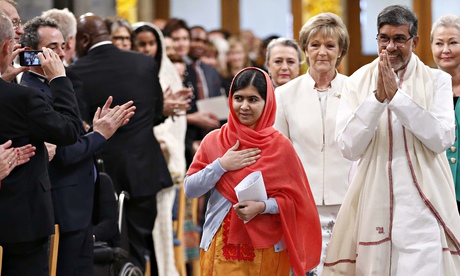
Kailash Satyarthi (who this year shared the Nobel peace prize with Malala Yousafzai for his work trying to eradicate child labour) tackled the problem in his native India by engaging consumer support. He liberated factories of children forced to hand-knot carpets and set up Goodweave.org, which guarantees child-labour-free rugs – it has certified 1m so far. But though he’s helped liberate thousands of kids from servitude (and into education), 13 million children still toil in India’s supply chain alone.
Satyarthi, along with Gordon Brown, is calling for a dedicated Children’s Court (similar to the European Court of Human Rights) to make governments accountable. It’s necessary because some countries are going in the opposite direction. In Bangladesh the government’s child-labour unit no longer functions, while a new Bolivian law permits children of 10 to take up work “opportunities”. The kids are far from all right.
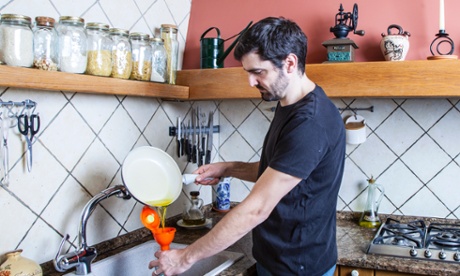
Green crush: the EkoFunnel
The EkoFunnel may not be glamorous, but it is clever. “Fog” – that is, fat, oil and grease poured down the sink, primarily from turkeys – represents a seasonal hazard. It solidifies into thick layers that constrict water flow and block sewers, resulting in unsanitary back-ups and flooding. It’s also a waste of Used Cooking Oil (UCO) that can be recycled into biofuel and transformed to generate heat and electricity. Christmas 2013 caused 2,635 sewer blockages in Yorkshire alone. Determined not to be caught out again, Yorkshire Water is donating Fog-busting gadgets, such as the EkoFunnel, to anyone buying a turkey from Waitrose and Sainsbury’s. So far 7,700 of these have been given away to capture the Christmas fat (ekofunnel.com)
Greenspeak: Tofurky {töfrrkī} noun
Seasonal meat alternative made from wheat protein and organic tofu. Tofurky was given a profile boost by the mayor of Seattle, who posed with one for Thanksgiving pictures reflecting the city’s “granola image”.
If you have an ethical dilemma, email Lucy at lucy.siegle@observer.co.uk