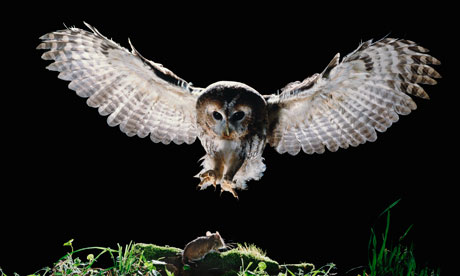
Reports that Britain's birds are suffering from avian malaria have caused understandable alarm. It's bad enough that we could lose some of our best-loved wild creatures, such as the majestic tawny owl, but what about the prospect that we might succumb to the disease ourselves?
The good news is that the parasite that infects birds, Plasmodium relictum, is not one of those that cause malaria in humans, and so we are safe – for the moment, at least. The bad news is that climate change is allowing all malarial mosquitos, including those that infect us, to extend their habitats north.
Like humans, birds are able to develop resistance to malaria, and indeed most infected birds do survive. However, the resulting loss of red blood cells may weaken them, making them more susceptible to other forms of disease.
And malaria is not the only problem facing Britain's birdlife. Salmonella, avian tuberculosis and the respiratory disease trichomonosis have also wreaked havoc amongst our birds, especially those that congregate in our gardens for the free food we provide, passing their germs around.
Songbirds such as greenfinches have been hit particularly badly, with many householders finding dead or dying birds beneath their feeders. As with avian malaria, a warmer climate is enabling these diseases to spread, as their agents (such as ticks) are no longer being killed off by prolonged winter cold.
So, should we continue feeding our garden birds? The RSPB advises that we should, though it suggests we thoroughly clean bird tables and feeders, and bin uneaten food before it goes rotten. Keeping birdbaths clean, and refilling them regularly, is also essential, as bird droppings can accumulate there.
Perhaps the biggest issue with these diseases is that they are hitting birds when they already have so many problems to contend with. Habitat loss, both at home and abroad, is affecting migrants such as the cuckoo and nightingale, while our farmland species continue to suffer as a result of agricultural policies. At such a tricky time, avian malaria may turn out to be the proverbial straw that breaks the camel's back.