Source: Pexels.com
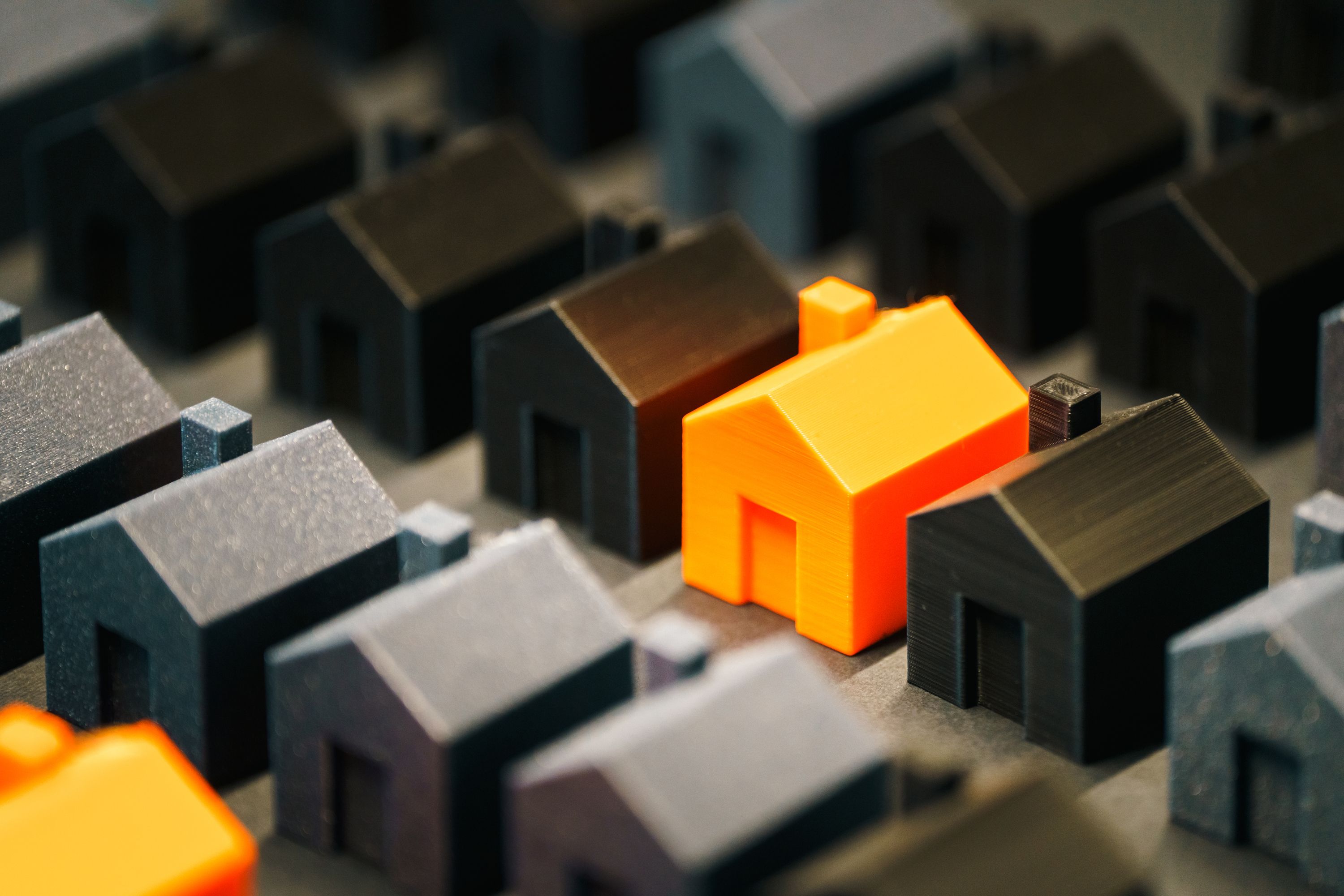
For several years, housing affordability has been one of the biggest economic concerns facing households around the world. Rising home prices, higher borrowing costs, and persistent inflation have made homeownership increasingly difficult for many first-time buyers.
As we move closer to 2026, there is a feeling that some of the factors in the market are shifting somewhat for the better. Still, a lot will hinge on not only housing costs but also how much people are earning, what interest rates banks are giving, how much people can borrow overall, and the characteristics of each specific local housing market. In short, whether the price tags at home sellers match up with the buying power and purchasing capabilities of ordinary people will decide if a new wave of house affordability is really on the horizon.
Are Wage Growth and Inflation Finally Moving in the Right Direction?
One of the biggest pressures on homebuyers has been the gap between income growth and housing costs. Even when wages increased, they often failed to keep pace with inflation and rising mortgage expenses.
Many buyers who want to understand how changing rates, deposits, and lending conditions affect affordability use calculators and guidance from mortgage experts at Hunter Galloway Brisbane to estimate borrowing capacity under different scenarios. These tools can help households look beyond property prices and evaluate what they may realistically be able to afford in 2026. Understanding borrowing power is often just as important as tracking market trends.
Is New Housing Supply Catching Up?
The way supply and demand play off each other plays a big role in affordability. For example, if construction speed stays behind population growth, then prices can't help but be high.
Most territories are encountering various reasons behind the slowdown in construction, such as the shortage of workers, rising material costs, and planning and approvals. As more developments are launched, the demand for housing will probably rise further. Yet, in many areas, the number of homes being completed still does not meet the rising market demands, and that will prevent the new stock from pushing down the price floor so much.
Are Government Policies Helping First-Time Buyers?
Governments have introduced a variety of programs intended to improve access to homeownership. These initiatives often include first-home buyer incentives, shared-equity arrangements, tax benefits, and deposit assistance programs.
Such policies could enable families to tackle several of the financial challenges they face when buying a home. Imagine that the buyer only needs to pay a deposit that is 20% of the price of the property; then the financial burden of buying a home could decrease. This would mean that such schemes would probably have more appeal for homebuyers who have no ready access to large deposits for their first house.
What Does True Affordability Really Mean?
Housing affordability has typically been described purely by housing prices. In fact, it's the ability to make mortgage repayments after paying for all your other expenses that indicates how affordable a house is to a household.
The situation where a home's price falls just a little, and the mortgage costs are still high, can keep buying that home unaffordable even after the price drop. But it's quite another thing if prices remain the same while wages and interest rates go up. This can happen without a big fall in home values, and it will make homes more affordable.
What Buyers Should Watch Next
The answer depends largely on where you live and your individual financial circumstances. Improvements in inflation, wage growth, and borrowing conditions have created more favorable conditions than many buyers experienced during recent years.
Simultaneously, continued limited supply, regional demand differentials, and high property prices have contributed to the current situation. Although there could be a significant increase in the availability of housing units in some markets, other markets are still not very attractive to first-time buyers. While affordability has improved in a couple of regions, it still hasn't been realized overall.
A big change is unlikely, and 2026 will probably be seen as a gradual year. In the view of many families, affordability will be determined in great measure by a rising standard of living, moderate interest rates, borrowing limits that are in line with reality, and a well-planned approach to family finances.