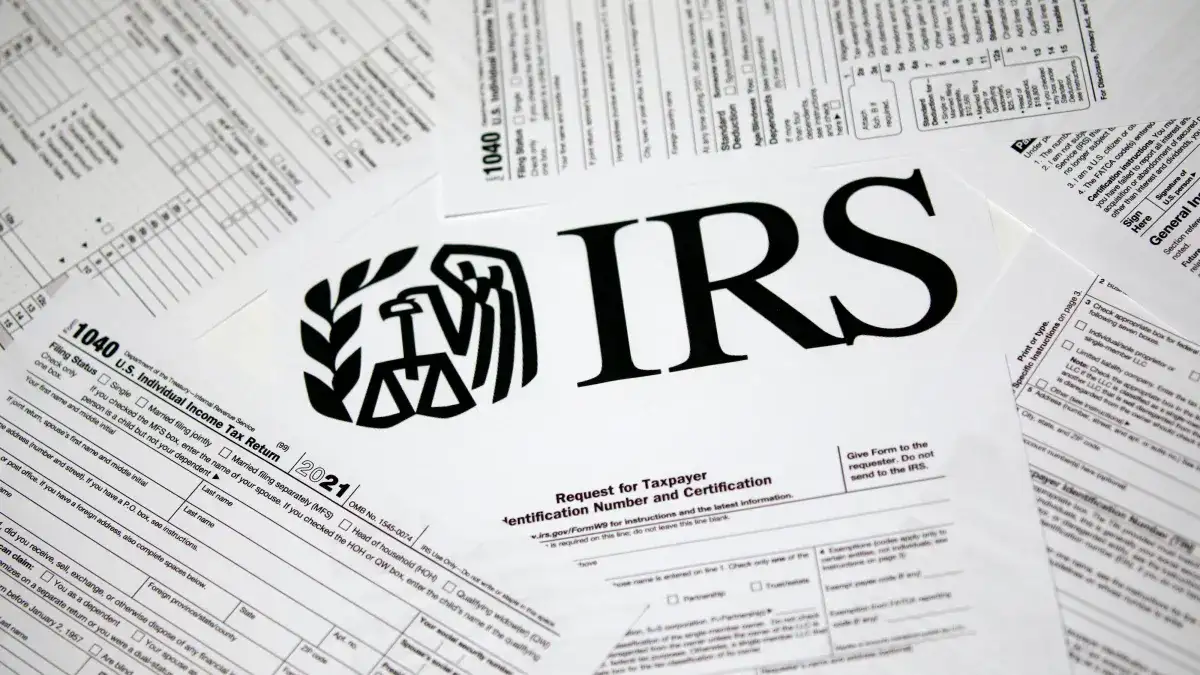
Millions of Americans may be sitting on unclaimed IRS pandemic-era refunds without even realizing it. A little-known federal court ruling has opened the door for taxpayers to potentially recover penalties and interest charged during the COVID-19 emergency period. Yet the clock is moving fast. Tax professionals warn that the deadline to preserve these IRS COVID refund claims is July 10, 2026, and many taxpayers still have no idea they could qualify.
The growing attention comes after the court decision in Kwong v. United States, which questioned whether certain IRS penalties and interest were improperly assessed during the national COVID disaster declaration. The ruling has quietly sparked conversations among tax attorneys, accountants, and taxpayer advocates because it could affect millions of individuals, businesses, estates, and trusts across the country.
What makes this story especially important is the unusual silence surrounding it. The IRS has not broadly promoted the possibility of pandemic-related tax refunds or abatements. Tax experts believe that hesitation exists because the government may appeal the ruling, meaning the legal battle is not fully settled. Still, attorneys say waiting could be costly because taxpayers generally lose refund rights after strict filing deadlines expire.
For many Americans, the pandemic years were financially chaotic. Families delayed filings, businesses struggled with compliance, and late penalties piled up while the economy remained uncertain. Now, some of those charges may deserve another look. Experts say the issue is not simply about recovering money. It is also about understanding how emergency laws interacted with federal tax rules during one of the most disruptive periods in modern history.
According to tax lawyers and the independent National Taxpayer Advocate, filing a protective refund claim before July 10, 2026 could preserve a taxpayer’s rights if courts ultimately uphold the ruling. Even if the outcome remains uncertain, experts say protecting your claim now may prevent permanent financial loss later.
Why the IRS COVID refund claims are suddenly attracting national attention
The legal controversy centers on Section 7508A(d), a tax provision connected to federally declared disasters. During the COVID-19 emergency, the federal government extended numerous tax deadlines because normal compliance became nearly impossible for many Americans. The court in
Kwong v. United Statessuggested that the disaster relief period may have suspended the accrual of certain penalties and interest longer than the IRS recognized. If that interpretation survives appeals, taxpayers who paid those amounts between January 2020 and July 2023 may deserve refunds or abatements.
Tax attorneys say the implications could stretch far beyond ordinary income taxes. The ruling may affect employment taxes, estate taxes, excise taxes, gift taxes, and international reporting penalties. Some international filing penalties alone can reach thousands of dollars even when no tax is owed.
Jon Wasser, a partner at Fox Rothschild, warned that millions of taxpayers could miss out entirely if they fail to act before the statute deadline expires. That concern has intensified because many Americans assume pandemic tax relief programs already ended years ago. The independent National Taxpayer Advocate has also publicly urged awareness. The office noted that taxpayers should not lose possible refund rights simply because the legal issue remains unresolved today.
Who may qualify for an IRS pandemic tax refund or penalty abatement?
One reason this story matters so deeply is the unusually broad scope of potential eligibility. Experts say the IRS COVID refund issue is not limited to wealthy corporations or complex investors. Ordinary taxpayers could qualify too.
Individuals who filed late returns during the pandemic years may have been charged penalties or interest that now deserve review. Small businesses struggling through shutdowns and staffing shortages may also qualify. Estates, trusts, and employers handling payroll taxes during the emergency period could potentially benefit as well. The most important factor involves whether penalties or interest were assessed during the federal disaster timeline connected to COVID-19. Tax professionals specifically recommend reviewing charges applied between January 20, 2020 and July 11, 2023.
Some taxpayers may remember receiving automated IRS notices adding late-payment interest or failure-to-file penalties while the country was still under emergency conditions. Others may have paid these balances years ago and forgotten entirely. That is why experts strongly recommend reviewing IRS tax account transcripts. These records contain detailed information about assessments, payments, penalties, filing dates, and adjustments. The documents can reveal whether potentially refundable amounts exist.
How to file an IRS COVID refund claim before the July 10 deadline
Experts emphasize that taxpayers do not need to prove victory today. Instead, they only need to preserve their legal rights before the filing window closes. Most professionals recommend filing a “protective claim” using IRS Form 843, officially called the Claim for Refund and Request for Abatement. The filing essentially places the taxpayer’s request on record while courts continue resolving the dispute.
Tax attorneys say the protective claim should specifically reference the Kwong v. United States decision and Section 7508A(d) regarding the COVID-19 disaster period. Clear wording matters because it tells the IRS why the taxpayer believes penalties or interest may have been improperly charged. Importantly, taxpayers do not necessarily need separate filings for every tax year. However, the claim should clearly identify the relevant years and disputed charges.
Some taxpayers may prefer working directly with CPAs or tax attorneys because pandemic-era records can become complicated quickly. Others may file independently after reviewing their transcripts carefully. The urgency comes from federal refund limitation rules. Generally, taxpayers only have three years from filing a return or two years from payment to request refunds. Legal experts believe the COVID disaster extensions effectively moved some deadlines to July 10, 2023, making July 10, 2026 the critical preservation deadline.
Why many taxpayers still do not know about the IRS COVID refund opportunity
The silence surrounding the IRS COVID refund issue has become almost as significant as the legal dispute itself. Taxpayer advocates argue that ordinary Americans rarely monitor federal court tax cases or procedural refund deadlines. Many taxpayers assume that if money were available, the government would automatically notify them. But the tax system often works differently. Refund opportunities tied to evolving legal interpretations frequently depend on taxpayers taking proactive steps themselves.
The IRS has not broadly advertised the possible refund claims because it disagrees with the court ruling and may continue fighting the interpretation. That leaves taxpayers caught between legal uncertainty and procedural deadlines. This situation also reveals a deeper challenge within American tax administration. Complexity often favors those with access to professional guidance. Wealthier taxpayers typically have advisers monitoring developments, while ordinary filers may never hear about critical deadlines until rights already expire.
The pandemic years created extraordinary legal questions across nearly every institution, including taxation. Emergency extensions, delayed enforcement, remote operations, and evolving disaster declarations reshaped normal compliance systems in ways courts are still sorting through today.
FAQs:
Q1. Who qualifies for hidden pandemic tax refunds before July 10?Millions of taxpayers, including individuals, small businesses, trusts, and corporations, could qualify for IRS COVID refund claims linked to pandemic-era penalties and interest charges. Tax experts say anyone charged penalties between January 2020 and July 2023 should review IRS tax transcripts carefully because the
Kwong v. United Statesruling may open the door for refunds or abatements. Filing a protective claim before July 10, 2026 is considered critical to preserve refund rights if courts ultimately uphold the decision.
Q2. Why are experts urging taxpayers to act immediately?
Tax professionals warn that federal refund limitation rules could permanently block taxpayers from recovering money after the July 10, 2026 deadline passes. Even though the IRS disputes the court ruling and future appeals remain possible, experts say filing IRS Form 843 now protects taxpayers from losing potential pandemic tax refunds later. The growing urgency reflects fears that millions may miss the opportunity simply because they never learned the refund option existed.