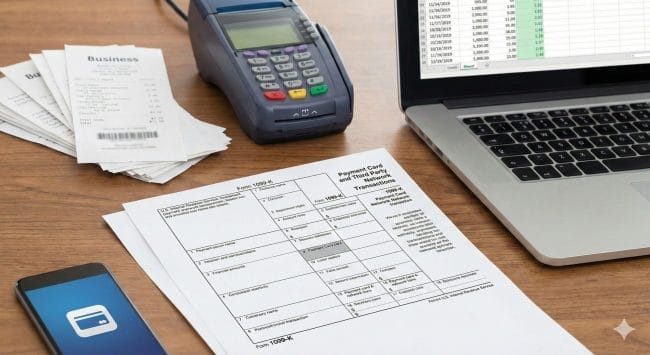
Selling old clothes on Poshmark or splitting dinner bills on Venmo recently caused unnecessary panic. Many feared the “$600 Rule” and the wave of tax paperwork it would bring. Fortunately, the IRS announced another delay for the 2026 tax season. The reporting threshold will rise to $2,000 instead of the strict $600 limit. This decision offers relief to gig workers and casual sellers. However, this is not a permanent cancellation. The law remains in effect, and the IRS intends to eventually lower the limit. You have gained time, but not a free pass.
1. Personal Transfers Remain Exempt
A major source of anxiety involved the fear of taxes on splitting a pizza or receiving rent money. This rule never applied to friends and family transfers. Sending your sister money for a birthday gift is not taxable income. Confusion arises when users accidentally label these transactions as “Goods and Services.” Venmo and PayPal rely on you to categorize payments correctly. Tagging a personal gift as a business transaction might still trigger a form. You need to remain vigilant about which button you click when sending cash.
2. Business Owners Must Still Report
The delay in receiving a form does not change your legal obligation to pay taxes on actual income. Money earned from side hustles, such as braiding hair or mowing lawns, is taxable from the first dollar. The reporting threshold only dictates when Venmo tells the IRS about your income. You are legally required to report earnings on your tax return even without a 1099-K. Do not mistake the lack of a form for a tax exemption. The IRS can still audit you based on bank deposits and lifestyle.
3. State Thresholds May Be Lower
The federal IRS rule relaxed to $2,000 for this year, but your state might not be as forgiving. Massachusetts, Maryland, Vermont, and Virginia have their own reporting laws that kick in at $600 or $1,000. You might receive a 1099-K form to satisfy state requirements even if you do not meet federal criteria. Check your local tax laws to avoid surprise paperwork in January.
4. Preparing for the Future
The IRS is moving toward a phased approach to reach the $600 target. This gradual step-down allows the agency to fix data matching systems. It also gives taxpayers time to separate business and personal accounts. Stop mixing business income with your personal Venmo immediately. Use this reprieve to open a dedicated business profile or a separate bank account. This will save you from an accounting nightmare when the threshold finally drops in future years.
Key Takeaway: Get Your Records Ready
The delay is a gift, but the era of the “under the table” digital economy is ending. Use this year to get organized. Keep receipts for everything you sell to prove you did not make a profit on used items. Your records will be your only defense against an incorrect tax bill when stricter rules land. Stay ahead of the paperwork and assume everything is traceable.
Does this delay make you feel better, or are you still worried about privacy? Share your thoughts on the IRS rule below.
What to Read Next…
- Warning: The New IRS Rule Change That Could Affect Your Venmo and PayPal Accounts
- Why You Should Never Send Money on Cash App or Venmo—Even to Friends and Family
- Bank Tellers Warn: 5 Reasons We Are Flagging Your Cash Withdrawals in 2026
The post IRS Update: The $600 Payment Rule is Officially Delayed (What It Means for Venmo Users) appeared first on Budget and the Bees.