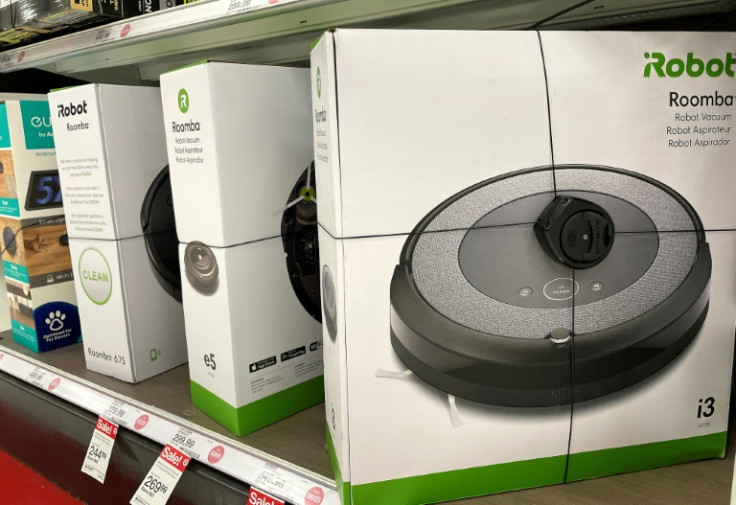
iRobot Corp., the maker of the Roomba robotic vacuum, filed for Chapter 11 bankruptcy protection on Monday, triggering a sharp sell-off in its shares and signaling a near-total loss for common stockholders.
The Massachusetts-based company said it has entered a court-supervised restructuring agreement that will result in its acquisition by its primary contract manufacturer, Shenzhen-based Picea Robotics, along with affiliated partners. Under the plan, iRobot will be taken private following the completion of the bankruptcy process, which is expected in early 2026.
The filing sent iRobot's stock plunging more than 70% in early trading, pushing shares into penny-stock territory and wiping out hundreds of millions of dollars in market value. Trading volumes surged as investors reacted to disclosures indicating that existing equity holders are unlikely to receive any recovery under the restructuring.
In a statement, iRobot said it will continue normal operations during the Chapter 11 process, including product sales, customer support, software services and warranty coverage. The company said the restructuring is intended to stabilize its finances and preserve the brand as competition in the robotic vacuum market intensifies.
The bankruptcy marks a dramatic fall for iRobot, once a leader in consumer robotics. The company has struggled for years with declining sales, rising costs and growing competition from lower-priced rivals, particularly from China. Its financial position worsened after a planned $1.7 billion acquisition by Amazon was abandoned last year following regulatory opposition, leaving iRobot without the capital infusion it had expected.
Prior to the filing, iRobot had warned investors about its ability to continue as a going concern, citing persistent losses and mounting debt. While the company implemented layoffs, cost-cutting measures and new product launches, those efforts failed to reverse its cash-flow problems.
As part of the restructuring, iRobot's existing shares are expected to be canceled once the transaction is completed, effectively ending its run as a publicly traded company. Analysts say the outcome reflects the reality that, in most Chapter 11 cases, equity holders rank last in priority behind lenders and other creditors.
For investors, the bankruptcy filing transforms iRobot's stock from a troubled turnaround story into a liquidation-risk security, with little prospect of long-term value. The company's future, meanwhile, will hinge on its ability to operate profitably under new private ownership in an increasingly crowded consumer electronics market.