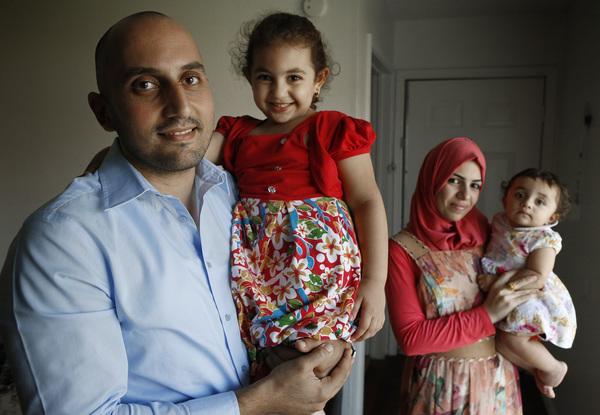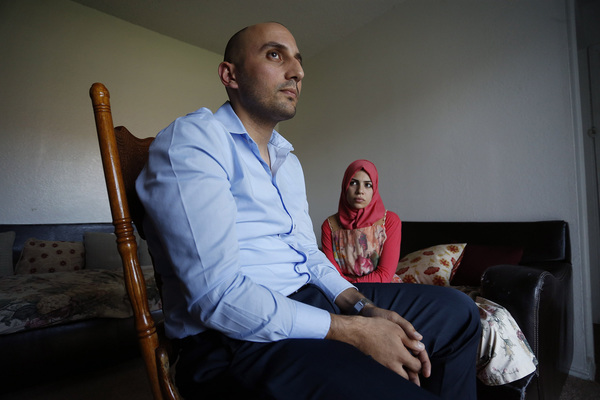
FORT WORTH, Texas _ Othman Aljanabi is a husband, father and English teacher, but his job as an interpreter for the U.S. Army makes him a traitor to some in his native Iraq.
Aljanabi, using the code name "Justin," was a contract worker who helped U.S. military forces in Iraq from 2008 through 2011. His knowledge of English and Arabic, body language and cultural nuances helped the U.S. military during operations in red zones, or unsafe areas.
He said he received numerous death threats and feared terrorists would kill him. Aljanabi said he could not come and go freely from his house in Baghdad and that no one ventured outside at night because they worried about terrorists, militias or "bad guys," he said.
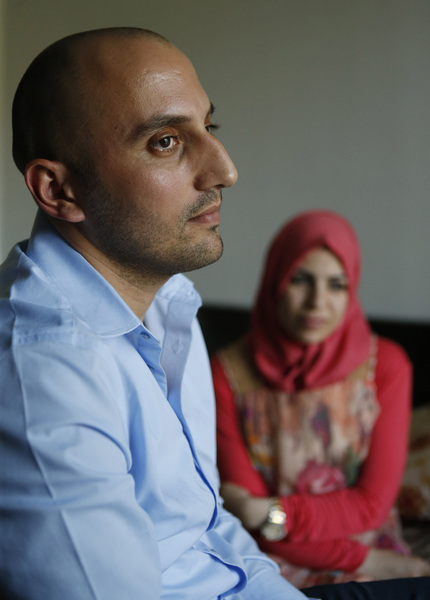
"Imagine every day being scared of being kidnapped or being killed," said Aljanabi, whose last residence in Baghdad was about 15 minutes from the Karada shopping district, where a suicide bomber recently killed more than 200 people.
Today, Aljanabi and his family are among 329 Iraqis who used a special immigrant visa to come to Texas between Oct. 1 and May 31, according to U.S. Department of State data. Forty-four of those Iraqis resettled in Fort Worth.
Congress has allowed provisions for certain Iraqis and Afghan nationals who worked for the U.S. government as interpreters or translators during the wars in Iraq and Afghanistan. Under the special visa program, these workers get benefits similar to refugees, including permanent legal status. After living in the U.S. for five years, they can apply for U.S. citizenship.
Hadi Jawad, a member of the Dallas Peace and Justice Center's Middle East Peace Committee, said the United States has a history of resettling people who help U.S. troops during conflicts. Before Iraqi interpreters and translators arrived as newcomers to this country, refugees from Vietnam, Cambodia and Laos were welcomed, Jawad said.
"These people put their lives on the line for us," said Jawad, who is of Iraqi descent. "We owe it to them. We have a moral obligation."
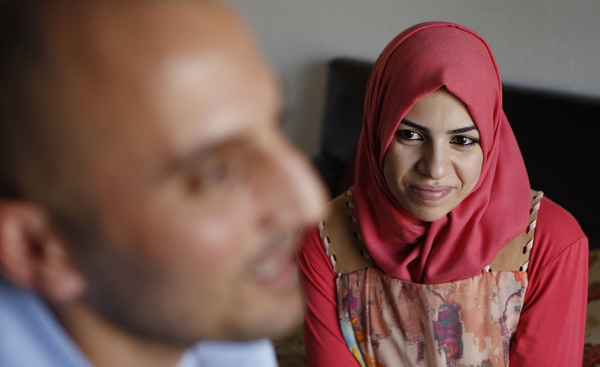
Aljanabi tried to build a life in Iraq for his wife, 26-year-old Zahraa, and two daughters, Melak, 3, and 9-month-old Meera. But he worried that if his work as an interpreter was exposed, they would be targeted.
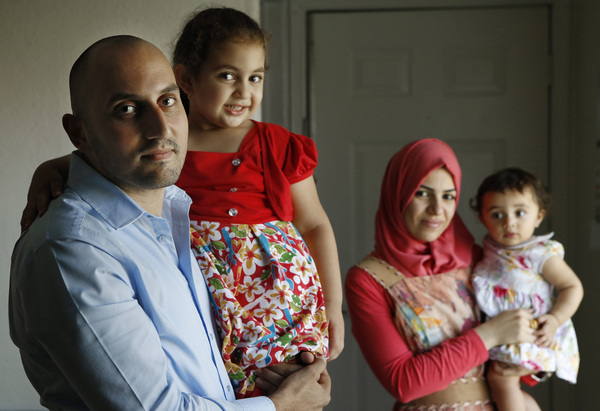
"Honestly, they hate us more than the United States Army," said Aljanabi, 27. "Multiple times they called me a traitor."
So Aljanabi left Iraq on Nov. 23, 2015. A new life in Fort Worth started the next day. His family joined him in February.
"I liked everything before seeing it, and when I saw it, I liked it more," Aljanabi said of Fort Worth.