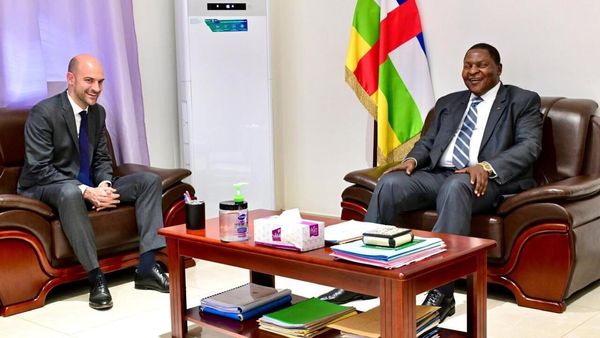
Iraqi Oil Minister Ihsan Abdul Jabbar called for maximizing the production of light crude oil to achieve additional financial revenues that support the treasury and the national economy.
Light crude oil is liquid petroleum of low density and flows freely at room temperature.
The American Petroleum Institute (API) classifies light crude oil as having low viscosity, low specific gravity and high gravity due to the presence of a high proportion of light hydrocarbon fractions.
In a press statement, Abdul Jabbar stressed the necessity of expediting projects to improve the specifications of crude oil, given its importance in the global markets.
He explained that the country will benefit from foreign expertise and cooperation to implement the joint goals of boosting national oil and gas industry.
Iraq has a major financial crisis as a result of low oil prices, and the country is moving towards developing refineries to obtain more profits.
Crude oil sales during September reached more than $3 billion in revenues. The average of oil exports in November was 2.613 million barrels per day (bpd), with the majority of exports from the southern fields.
Meanwhile, the Governor of the Central Bank of Iraq (CBI), Mustafa Ghaleb, stated that the drop in crude oil prices and the decision of the Organization of the Petroleum Exporting Countries (OPEC) and its allies to reduce production rates led to a decrease in Iraq's oil revenues.
Last month, Ghaleb said the decline in crude oil revenues lead to a decrease in dollars sold by the Ministry of Finance to the Central Bank in exchange for the Iraqi dinar.
The governor explained that most of the current spending will turn into a consumer demand that ultimately represents a demand for the dollar.
The Central Bank will try to meet the demand to finance imports, however, foreign reserves are expected to witness a decline in addition to a drop in oil revenues if the current situation persists.