Huge protests have erupted in Iran with people taking to the streets to demonstrate against the soaring cost of living and plummeting value of the rial, as the fallout from Donald Trump’s decision to withdraw from the nuclear deal starts to bite.
Around Tehran’s Grand Bazaar, thousands marched towards the gates of parliament. Some traders shut up shop for the day willingly, and state news said others were forced to by angry protesters.
Many clashed with the police, and the protests – some of the biggest seen in Iran in years – were eventually dispersed by security forces with the use of riot gear and tear gas.
State TV quoted Tehran’s deputy governor, Abdolazim Rezaie, as saying no arrests had been made.
Shops opened and business appeared to resume as normal on Tuesday.
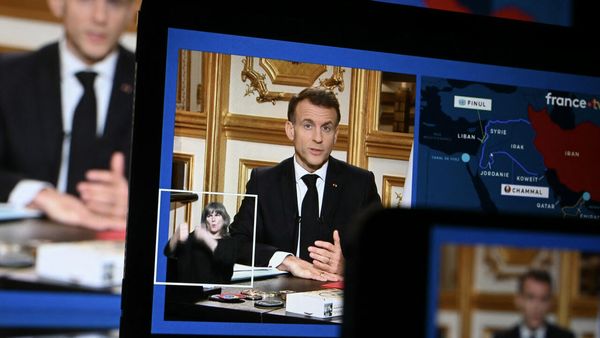
On Monday night – once the protests had subsided – president Hassan Rouhani used a televised address to tell Iranians that the government would be able to withstand the sharp currency drop and the prospect of new US sanctions.
“Even in the worst case, I promise that the basic needs of Iranians will be provided. We have enough sugar, wheat, and cooking oil. We have enough foreign currency to inject into the market,” Mr Rouhani said in a speech, blaming the fall in the rial’s value on “foreign media propaganda”.
It is unlikely, however, that Iranians will be reassured by his promises.
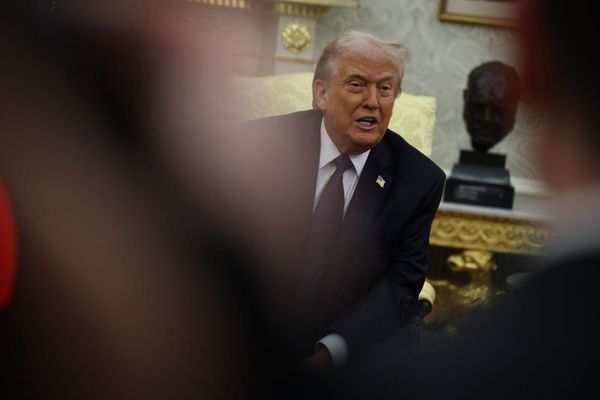
In May, Mr Trump followed up on a campaigntrail promise to withdraw from the landmark 2015 deal with world powers in which Iran agreed to curb its nuclear programme in exchange for the lifting of crippling international sanctions.
Since the decision, the value of the Iranian rial has plummeted, driving up the cost of imports for many ordinary businesses and consumers.
It is also feared threatened new sanctions from Washington will cut into Iran’s hard currency earnings from oil exports.
Street demonstrations are common across Iran, but Monday’s impromptu protests were the biggest since 2012.
The popular discontent then eventually led to the election of a new, more moderate government and Iranian willingness to engage in the talks that led to the nuclear deal.
There were also anti-government protests across the country in December 2017 and January 2018, but they did not reach Tehran.
Before Mr Trump withdrew from the nuclear deal there were 65,000 rials to the dollar, on Iran’s unofficial currency exchange market, compared to around 90,000 on Monday.
Critics point out the Iranian authorities’ recent attempt to shore up the rial’s value by banning black market exchange rate has failed as panicking Iranians seek to move their savings into a more stable currency.
The industries and trade ministry also announced that the import of 13,000 products will be banned, and manufactured in Iran instead, to stave off the effect of fresh sanctions.
Mr Rouhani said his country would not give in to US pressure, calling the sanctions which come into effect in August and November part of a “psychological, economic and political war”.
“Withdrawal was the worst decision [Mr Trump] could make. It was appalling. It hurt America's global reputation,” he said.