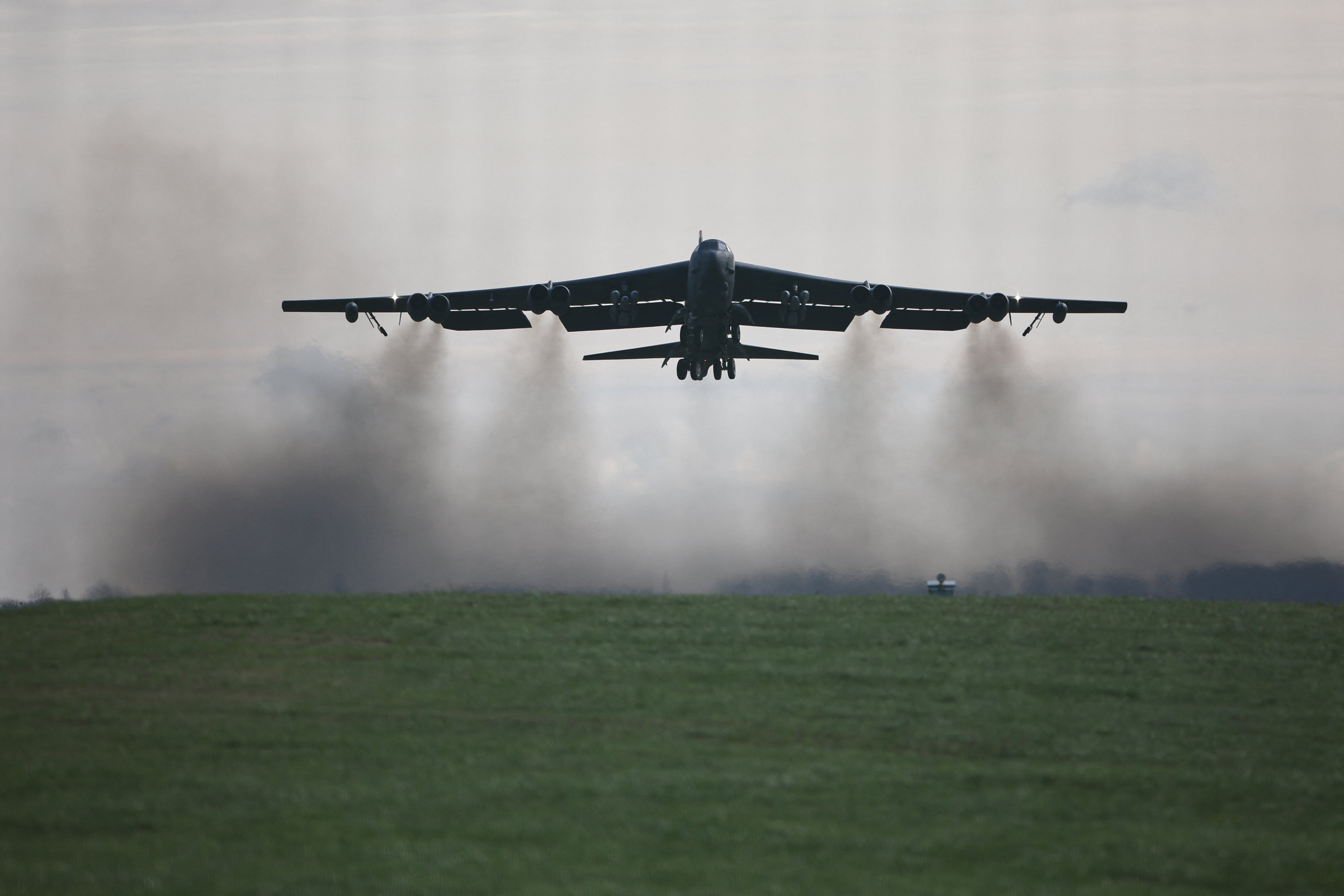
The UK has given Donald Trump the green light to use British bases to strike Iranian missile sites targeting the Strait of Hormuz.
Downing Street said any such action would still amount to “collective self-defence”, insisting it would not mean the UK was drawn into the wider conflict.
It said UK bases will now be used for US “defensive operations to degrade the missile sites and capabilities being used to attack ships” in the key shipping lane, crucial to the globe’s oil supply.
Previously, Labour had allowed the US to use bases RAF Fairford in Gloucestershire and Diego Garcia in the Indian Ocean only for “defensive” operations to hit missile sites targeting British interests in the region.
Ministers met to discuss the latest developments on Friday afternoon where they reached the new agreement, Downing Street said.
A spokesperson said: “Ministers condemned Iran’s expansion of its targets to include international shipping. They agreed that Iran’s reckless strikes… risked pushing the region further into crisis and worsening the economic impact being felt in the UK and around the world.
“They confirmed that the agreement for the US to use UK bases in the collective self-defence of the region includes US defensive operations to degrade the missile sites and capabilities being used to attack ships in the Strait of Hormuz.
“They reaffirmed that the principles behind the UK’s approach to the conflict remain the same: the UK remains committed to defending our people, our interests and our allies, acting in accordance with international law and not getting drawn into the wider conflict.
“Ministers underlined the need for urgent de-escalation and a swift resolution to the war.”
Speaking to reporters outside the White House on Friday, Mr Trump said it had been “a very late response from the UK”.
He added: “I’m surprised because the relationship is so good, but this has never happened before. They were really, pretty much our first ally, all over the world.”
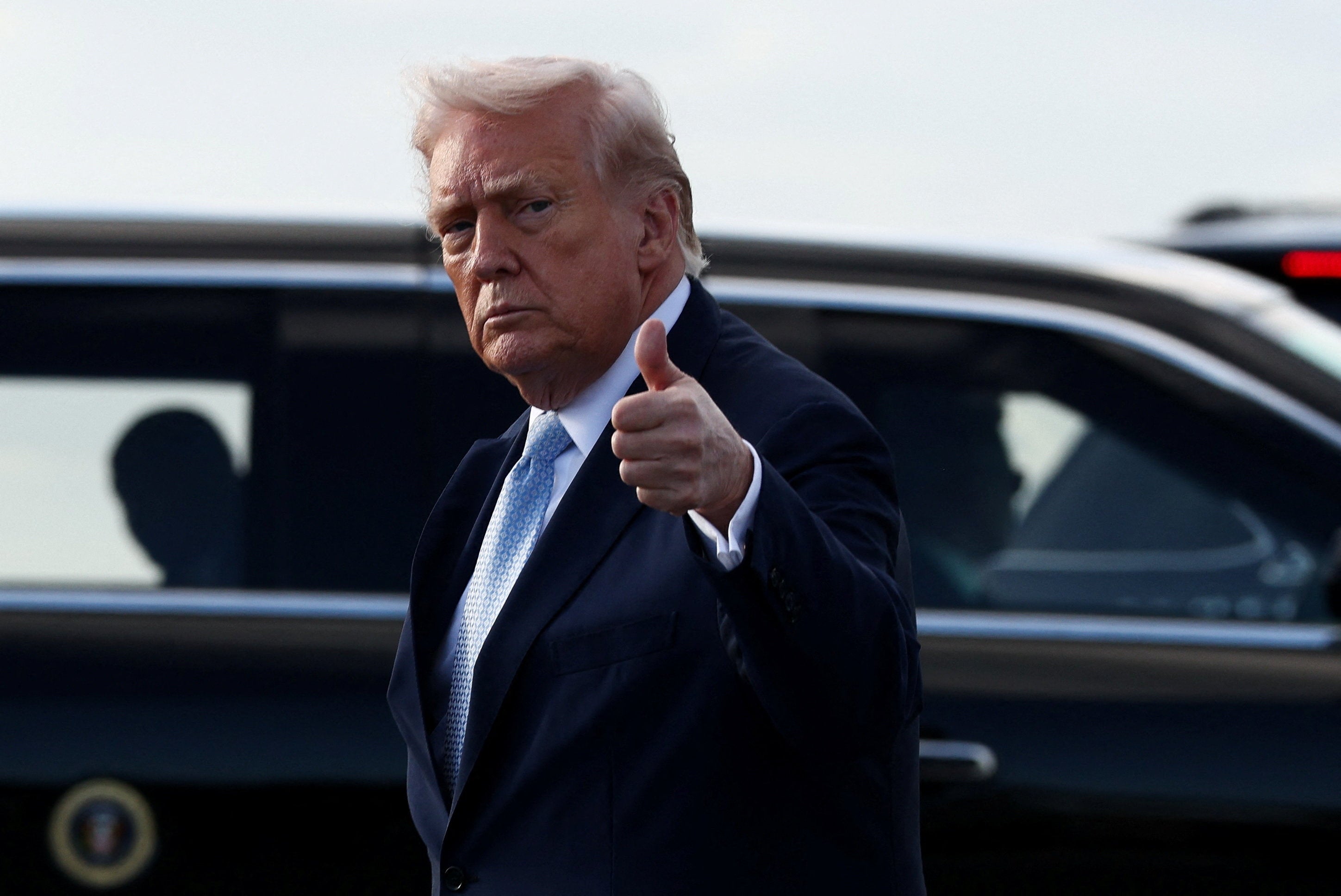
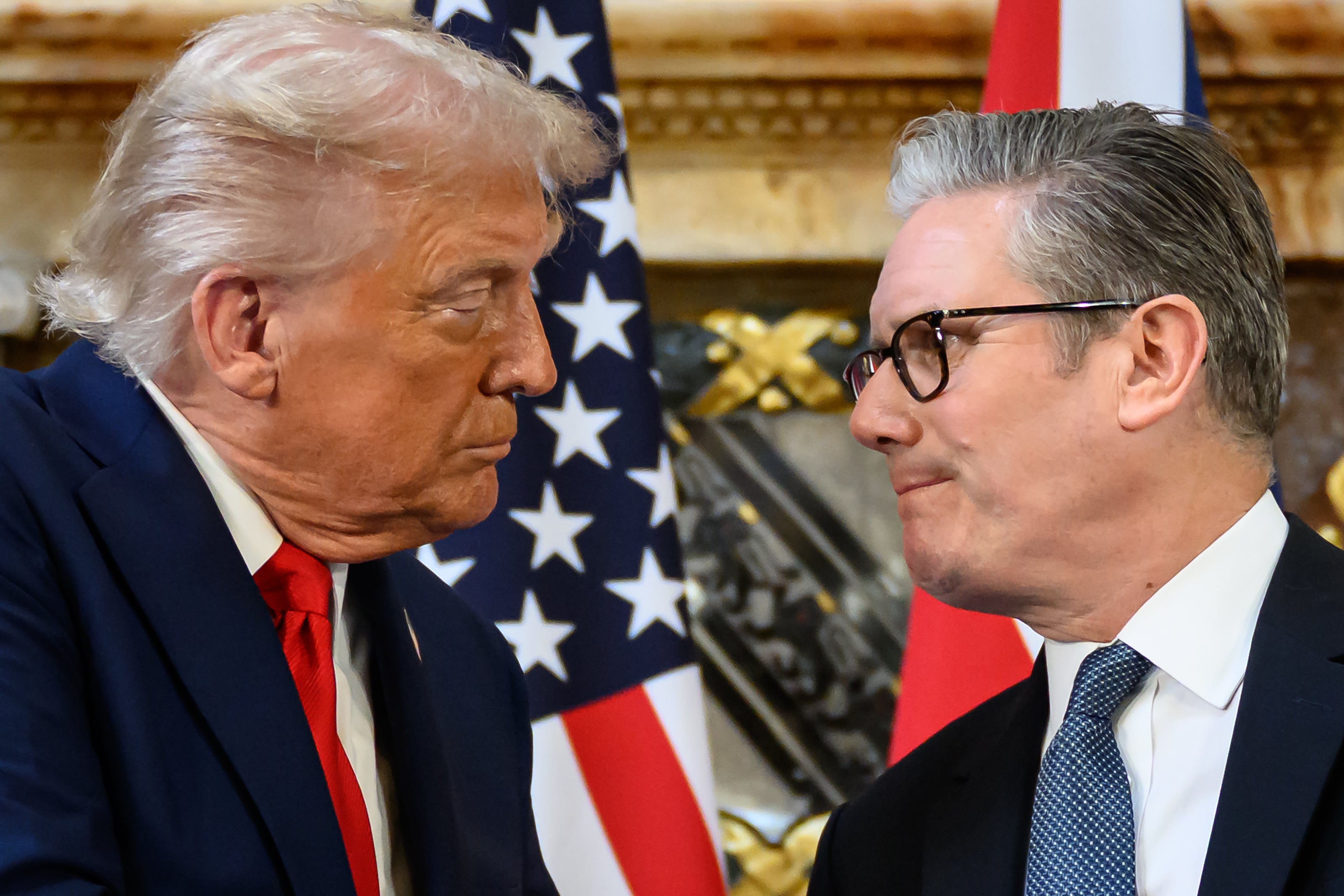
Mr Trump confirmed he had spoken to prime minister Sir Keir Starmer when asked by a reporter.
In a Truth Social post later on Friday, the president said he is “winding down” the war and added that the Strait of Hormuz “will have to be guarded and policed, as necessary, by other nations who use it”.
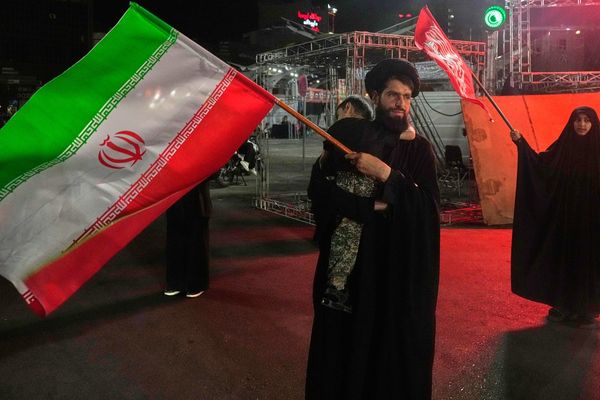
Iran’s foreign minister Abbas Araghchi said in a post on X that the UK’s decision showed Sir Keir Starmer had ignored his own people and “is putting British lives in danger by allowing UK bases to be used for aggression against Iran.”
“Iran will exercise its right to self-defense”, he added.
The development came after Mr Trump had earlier launched a fresh attack on Nato allies, calling them “cowards” as he claimed they had failed to help reopen the Strait of Hormuz, after Iran blocked the passage of shipping vessels.
The US president is now reportedly considering plans to send ground troops to occupy or blockade Iran’s Kharg Island to pressure the country into reopening the waterway, in a move that would represent a major escalation of the war.
The UK had government earlier warned Tehran not to target UK interests after Iran accused Britain of “participating in aggression” in the US’s war and cautioned it had a right to respond.
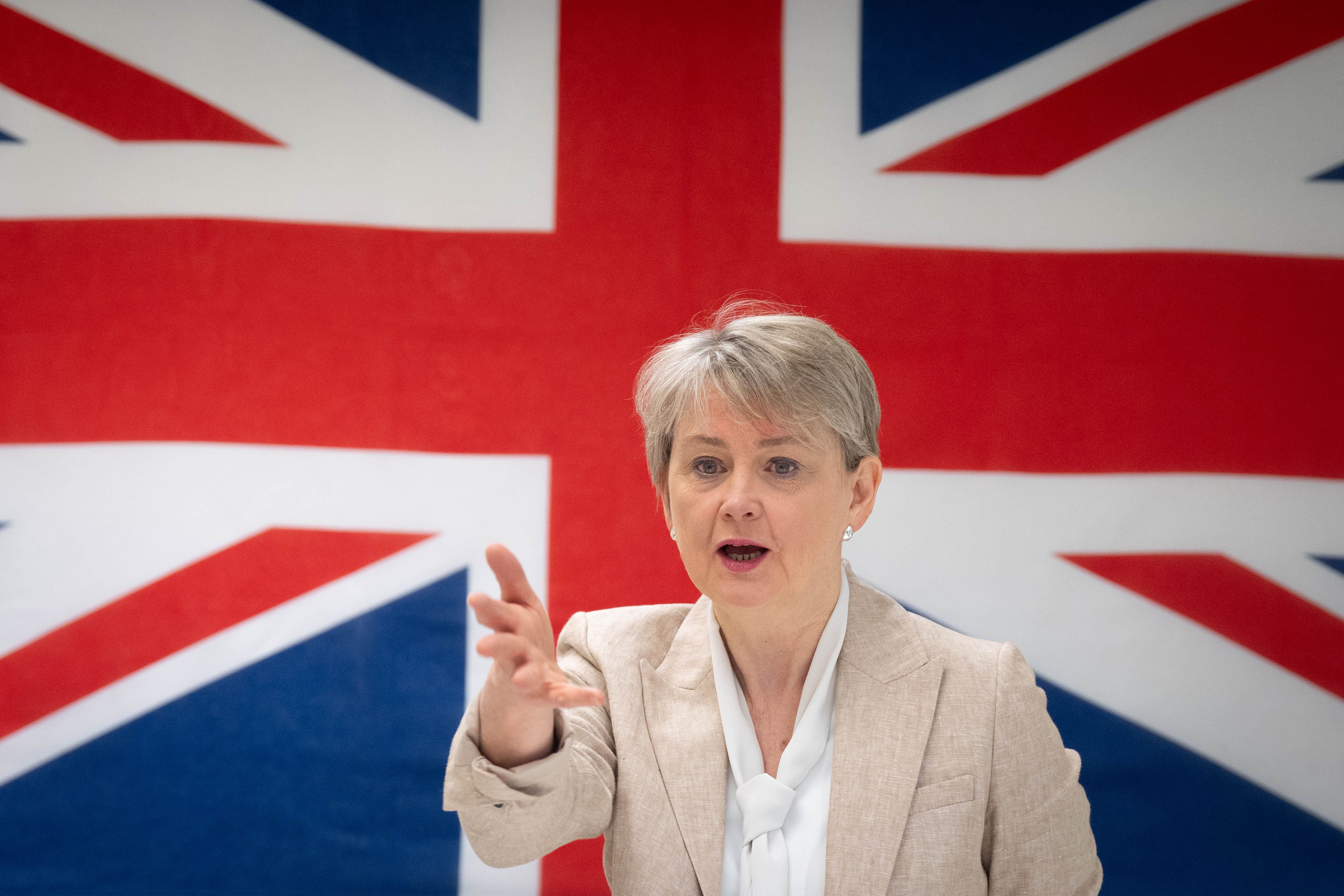
Mr Araghchi earlier appeared to put the UK in the firing line as he criticised Sir Keir’s prior decision to allow US forces to use British bases to launch attacks on Tehran.
In a phone call with the foreign secretary, Yvette Cooper, he said the actions “will definitely be considered as participation in aggression and will be recorded in the history of relations between the two countries”.
And in a chilling post written in Farsi on Telegram, Mr Araghchi claimed he told Ms Cooper: “At the same time, we reserve our inherent right to defend the country’s sovereignty and independence.”
In response, the Foreign Office said that during the call, Ms Cooper had “warned Iran against targeting UK bases, territory or interests directly” and condemned the country’s “reckless attacks” on Gulf partners and critical energy infrastructure.
She also hit out at the closure of the Strait of Hormuz and called for it to be reopened immediately.
In a statement, the department added: “The foreign secretary made clear to the foreign minister that the defensive UK operations in the region were a response to the Iranian aggression against Gulf partner countries who had not attacked Iran and she called on Iran to immediately stop these reckless strikes against its neighbours.
“She made clear that the UK wants to see a swift resolution to this conflict.”
Former defence minister and soldier Tobias Ellwood hit out at the Iranians, accusing them of trying to “rattle” the UK.
Mr Ellwood told The Independent: “It’s expected and designed to rattle us and sow division.”
Former foreign secretary, Sir Malcolm Rifkind, told The Independent: “The UK has not acted aggressively to Iran during the current war. Iran, however, has been very aggressive towards the UAE, Saudi Arabia, Qatar, Kuwait, Oman and Bahrain, none of whom had attacked Iran. What hypocrisy.”
Downing Street had earlier defended the UK’s position, saying it was “not getting drawn into the wider war”.
Conservative leader Kemi Badenoch described the latest move as the “mother of all U-turns” in a post on X.
Shadow defence secretary James Cartlidge said: “Where we have been clear from the outset that we would have allowed our closest military ally to use our bases, Starmer has been all over the place.
“When we need strong leadership in challenging times, Starmer is weak and indecisive.”
The Liberal Democrats said granting further permission for the US to use British bases must first have a parliamentary vote, as the party’s foreign affairs spokesman Calum Miller said: “We have warned from the start that the UK has to avoid being dragged into another war in the Middle East with no obvious end.
“This decision by the prime minister reminds us all of the disaster of Iraq and shows how we’re being drawn further and further down Trump’s slippery slope.
“Starmer must now let Parliament vote on the terms of the agreement with the US for their use of UK bases.”
Conflict continues to unfold across the Middle East, after Washington deployed low-flying jets and Apache helicopters to strike Iranian vessels and drones near the Strait of Hormuz as part of renewed efforts to reopen the passageway.
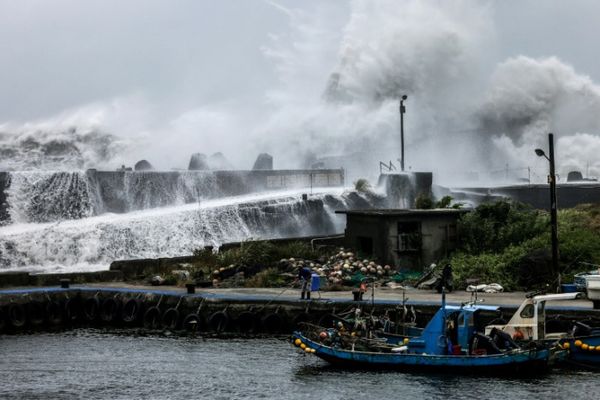
The effective closure of the key oil route has driven fuel costs to soar globally, raising fresh concerns that energy prices in the UK could rise by £300 in the summer.
The prime minister has acknowledged the added cost of living pressures Britons are facing.
Housing secretary Steve Reed met local people and community leaders to discuss ministers’ efforts to protect their finances on Friday.
Ahead of the visit, Sir Keir said: “I know how much pressure rising costs can put on families here in the South-East and beyond – especially when there is uncertainty on the global stage.
“That’s why this government is acting to protect household budgets, keep everyday costs down and provide reassurance at home – while listening directly to people about what matters most to them.”
Sir Keir has said that the longer the conflict continues, “the bigger the impact on the cost of living”, arguing that “the best way forward is a negotiated settlement with Iran”.
Iran-US war latest: Trump says he is ‘winding down’ war
British lives ‘in danger’ after UK backs US strikes on Iran from its bases
Trump says he’s considering ‘winding down’ Iran war
Democrats bashing Trump over the Iran war lean on a callback to Bill Clinton
Government to keep mass religious observances after Farage calls to ban them
Could Mahmood’s immigration plans cause a split in the Labour Party?