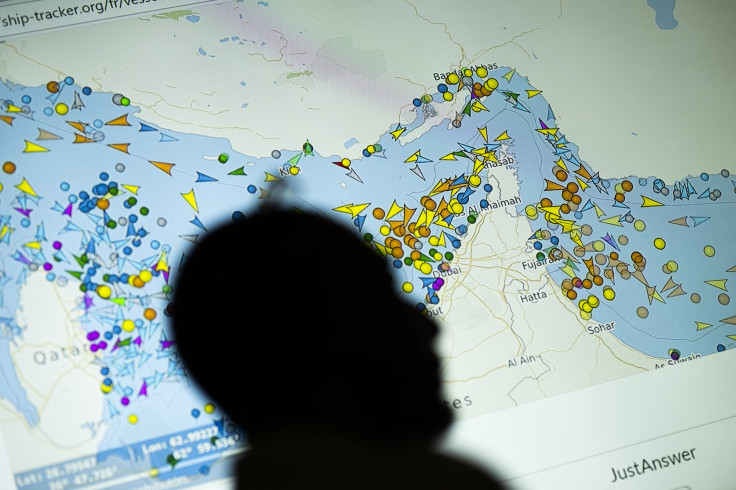
Iran is reportedly consolidating its control over the Strait of Hormuz with island checkpoints, diplomatic arrangements, and, in some cases, reported transit "fees" to decide which vessels can pass through one of the world's most important oil routes.
Reuters detailed that ships moving through the waterway are now being subjected to a multi-tiered clearance process by Iran's Islamic Revolutionary Guard Corps, which can include affiliation checks, inspections, and diplomatic intervention.
The Strait of Hormuz, located between Iran and Oman, connects the Persian Gulf to the Gulf of Oman and the Arabian Sea. The U.S. Energy Information Administration has described it as one of the world's most important oil chokepoints, with few alternatives available if the route is disrupted.
Ever since the war in Iran began, the waterway has been blocked both by the U.S. and Iran, preventing energy from transiting and leading to a spike in energy prices. Few vessels have gone through since, and Iran said it wants to control it moving forward as a way to compensate damages sustained during the conflict.
Reuters described the case of the tanker Agios Fanourios I, which was carrying Iraqi crude to Vietnam and was delayed before being allowed to proceed after Iraqi diplomatic intervention.
The new system reportedly includes "affiliation checks" meant to screen vessels for links to the United States or Israel. Ships connected to countries with closer ties to Tehran, including Russia and China, have faced fewer obstacles, while others have encountered delays, inspections, or demands for payments, according to Reuters.
The alleged fees have drawn direct warnings from Washington. The U.S. Treasury Department's Office of Foreign Assets Control warned on May 1 that shippers risk sanctions if they make payments to Iran for passage through Hormuz, including through indirect methods such as barter, digital assets, or donations.
President Donald Trump also warned Iran last month against charging vessels to transit the strait. "There are reports that Iran is charging fees to tankers going through the Hormuz Strait," Trump wrote, according to Reuters. "They better not be and, if they are, they better stop now."
The consequences are already being felt in global energy markets. Reuters reported Wednesday that three supertankers carrying 6 million barrels of Middle Eastern crude exited the strait after being delayed for more than two months. Before the conflict, about 125 to 140 vessels passed through Hormuz daily. Recent averages have dropped to about 10.
The bottleneck has accelerated efforts by Gulf states to reduce dependence on the strait. The United Arab Emirates said that a new oil pipeline designed to bypass Hormuz is 50% complete and expected to begin operating in 2027.