In grainy mobile footage allegedly taken in Iran, people are seen crying as they move between more than a dozen bodies, laid out in body bags on the floor.
The clip is said to have been filmed at a makeshift morgue in southern Tehran, although it is not possible to independently verify. It has been shared on Iranian Telegram accounts that have been disseminating the scant videos coming out of Iran, where the regime, struggling to crush a two-week uprising, has shut down the internet and even landlines.
It follows other videos of protests where continuous gunfire can be heard in the background. Eyewitness accounts describe blood-stained streets and protesters being deliberately blinded.
Even Iranian state TV has aired footage of dozens of body bags at Tehran’s coroner’s office, though it claimed the dead were victims of “armed terrorists”.
The increasingly fragile Islamic Republic is lashing out as it faces its gravest existential threat yet.
Some of the most respected Iranian analysts I know now believe that, for the first time, there is a genuine possibility the regime could fall.
But the toll is already massive.
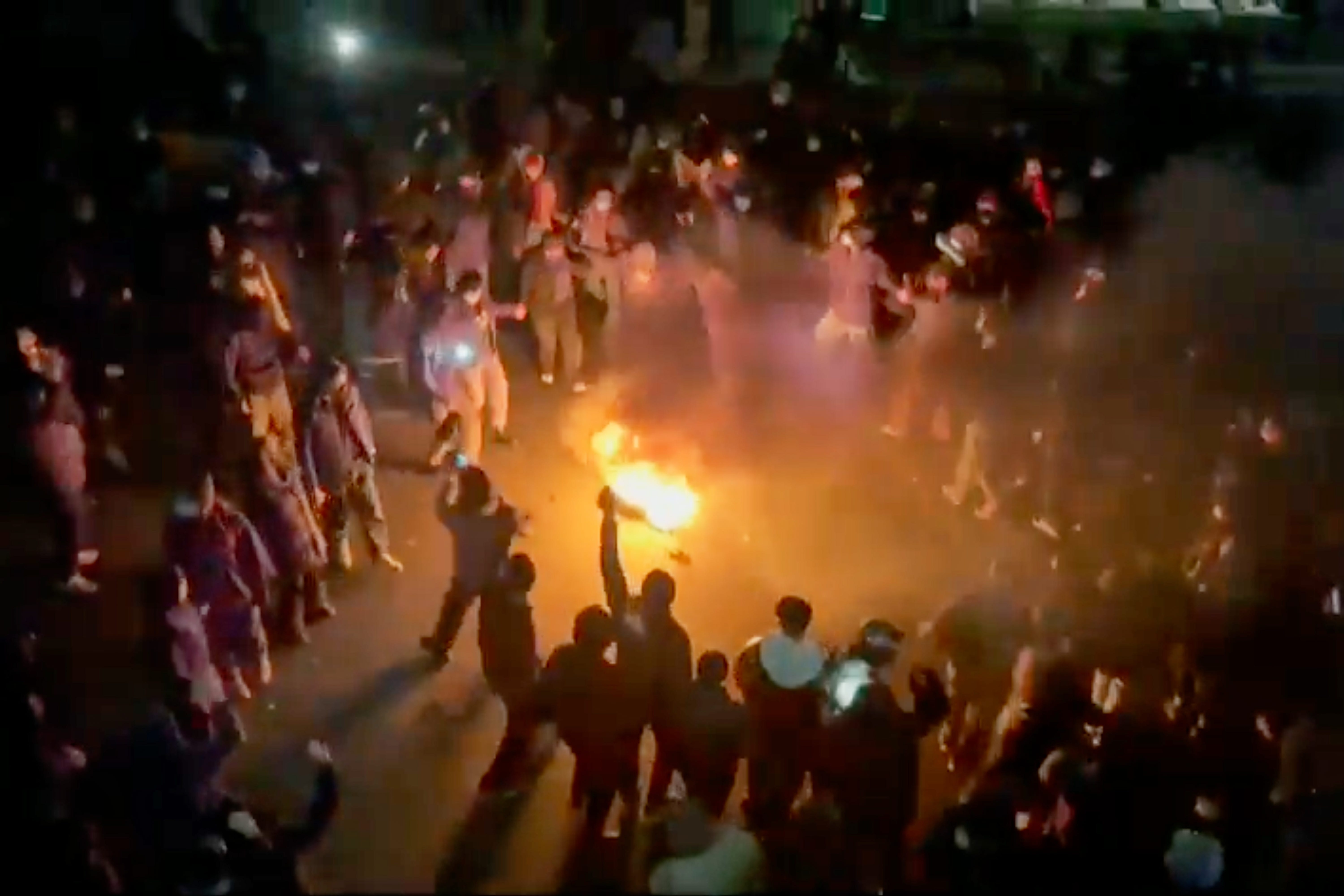
Norway-based Iran Human Rights said on Sunday that it has verified the killing of 192 people in the rallies, but added that the real death toll may be as high as 2,000.
On the streets, protesters are openly demanding the ousting of the country’s oppressive clerical rulers, chanting “Death to the dictator” and, in some quarters, even calling for the return of the Pahlavi royal dynasty, which was kicked out in the 1979 revolution that birthed the regime.
The US-based Human Rights Activists News Agency (Hrana) says protests have now spread to 185 cities across all 31 provinces of the country.
This is not the first mass protest movement to rock the country. Just under four years ago, the Women, Life, Freedom uprising erupted after the death of a young Kurdish Iranian woman, Mahsa Amini, who was arrested by the country’s repressive morality police for not wearing a hijab.
But this feels different because of the unique vulnerabilities Iran’s rulers are facing.
For a start, the protests erupted in response to soaring prices as the local currency, the rial, spiralled, piling pressure on all corners of society.
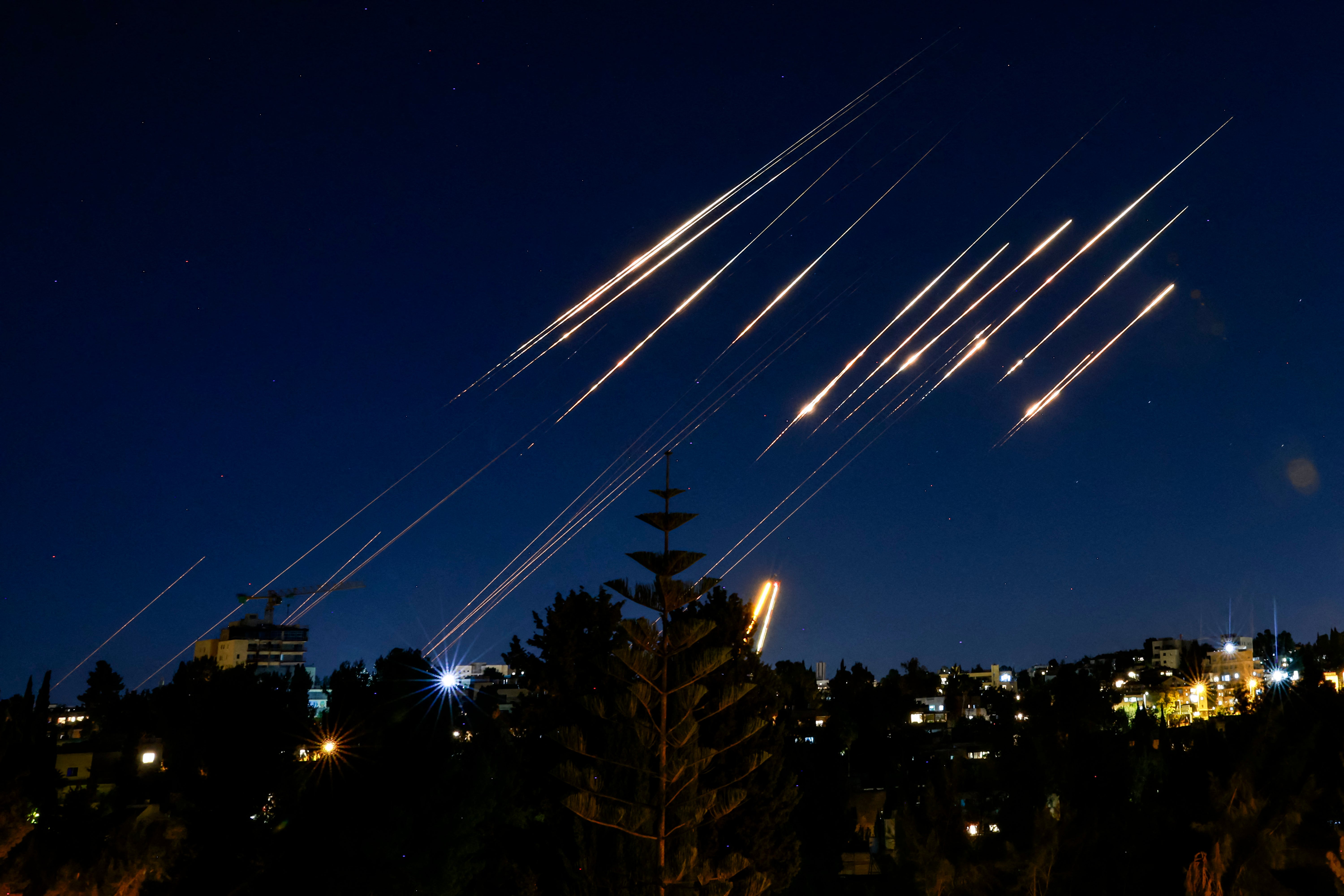
Crucially, it comes in the wake of the disastrous 12-day war between Israel and Iran last year. Israeli, and later American, forces bombed Iran’s key nuclear installations, military infrastructure and even nuclear scientists.
At one point, Iran could barely keep up with replenishing its military leadership, as its newly appointed war chief was assassinated just days after his predecessor was killed.
Iran hit back, launching strikes on Israel and an American air base in Qatar.
But all this exposed deep vulnerabilities within the regime. For Israel and the US to be so successful, it implied mass intelligence leaks and possible coordination from within the closest circles of Iran’s elite Revolutionary Guards and possibly even the supreme leader.
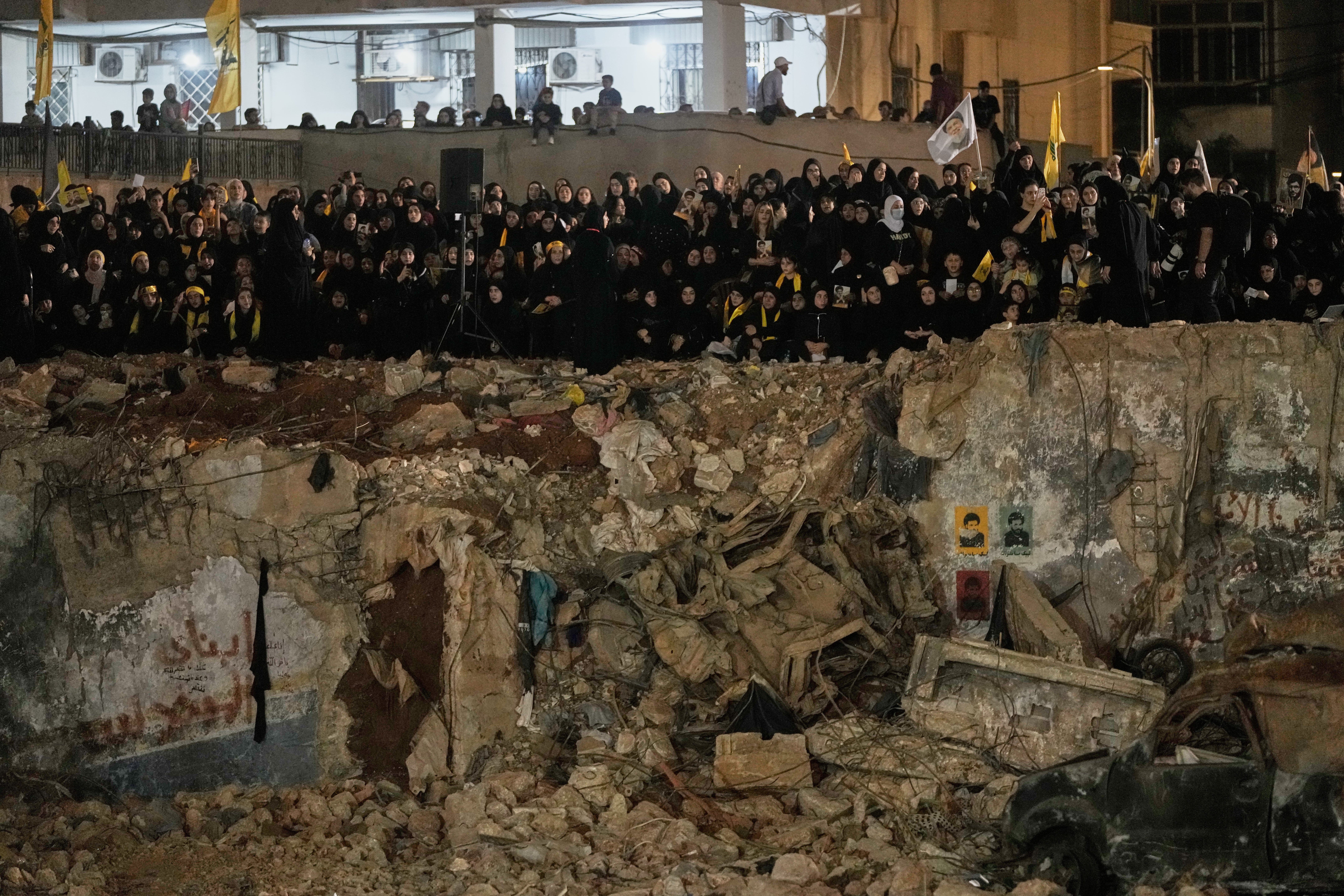
It also comes at a time when Iran cannot rely on its regional allies in Lebanon, Syria and Iraq. Israeli operations over the last few years have already decimated Iran-backed Hezbollah militants in Lebanon.
That, in turn, helped contribute to the fall of Iran’s ally, Syrian president Bashar al-Assad, by Islamist rebels who have now turned towards the US.
Iran’s proxy groups in Iraq have been surprisingly quiet despite the regional escalation, although that may change.
Sources close to the Iran-Iraq border told me reports were swirling that hundreds of fighters from Iraq’s Popular Mobilisation Forces were crossing into Iran to bolster the regime.
Whether true or not, however large the number, Iran’s leadership still has to contend with mass nationwide protests, degraded military infrastructure, concerns over internal intelligence leaks and rebellion, diminished regional support, and the possibility of further US and Israeli strikes.
Donald Trump is understood to have been briefed on potential military strike options. Israeli sources say top commanders have held internal security consultations over the weekend and placed the country on a high alert amid the possibility of US intervention.
Iran has vowed to retaliate against US bases and Israel if attacked, but how effective would such a response be?
All of this is unfolding at a moment when the United States has a president who relishes intervention.
Just last week, Washington launched a stunning and unprecedented military operation in Venezuela, during which US special forces captured the country’s authoritarian leader, Nicolas Maduro. Trump has since vowed to “run” Venezuela and separately take Greenland, the territory of a Nato ally.
It is not unthinkable that the US would bomb its arch enemy Iran in pursuit of regime change.
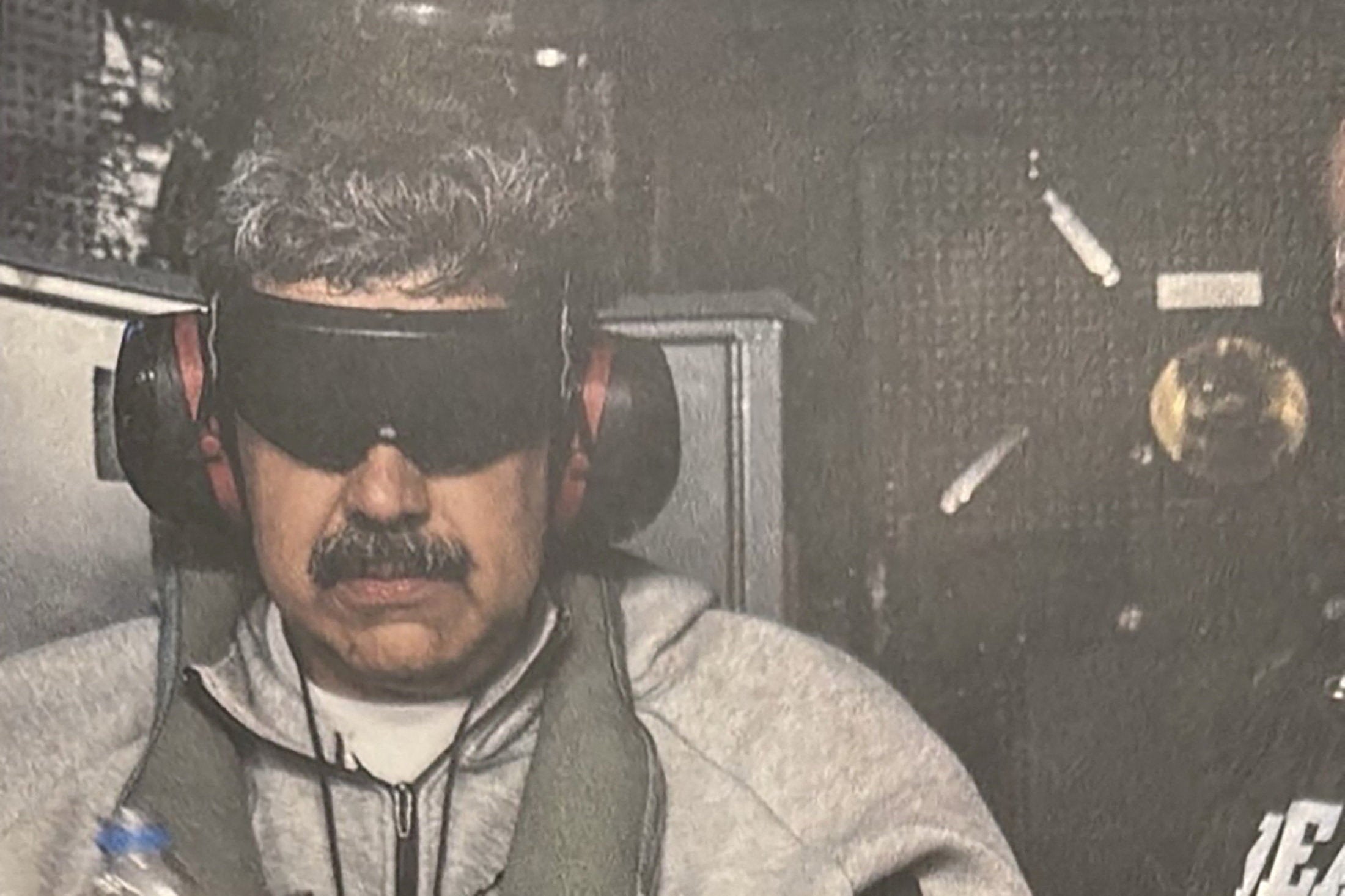
And that is actually emboldening protesters, said Gissou Nia, an Iranian-American human rights lawyer who works at the Atlantic Council. She said some protesters have even been wielding Trump signs.
“They think that it will be worth it in the end, that they will not be alone in their plight, and that they will be able to overturn the regime,” she continued, adding that Iranians are “willing to risk their lives to see the regime fall”.
“The international community really needs to heed that call,” she added.
What would come next is unclear.
Reza Pahlavi, the exiled son of Iran’s last Shah, has not only been encouraging people to keep taking to the streets today but, in a video posted online on Sunday, also says he is preparing to return home.
That is either naively premature or wilful posturing. But certainly, the regime is fighting for its life.
Swinney ‘very concerned’ about situation in Iran
Downing Street plays down prospect of Iranian revolutionary guard ban
Iran in paralysis as internet blackout freezes banks and daily life
Iran protests latest: Tehran ‘ready for war’ after Trump threats
Shocking Iranian footage shows bodies strewn outside morgue after vicious crackdown
Why I think the Islamic Republic cannot survive this uprising