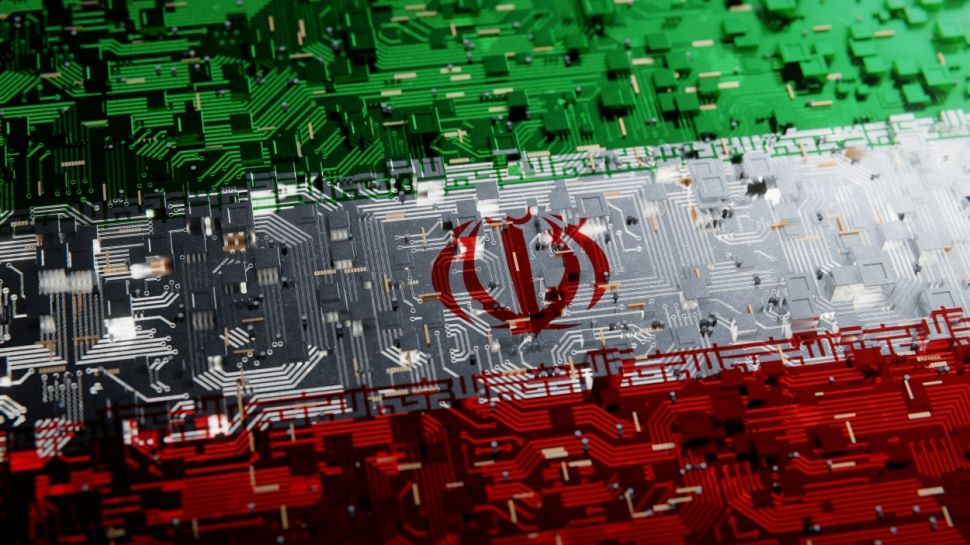
Digital darkness: that's the reality for millions in Iran in 2026. As the country enters its second month-long communications blackout of the year, there are no signs that the restrictions will ease anytime soon.
From total internet shutdowns to the "whitelisting" of state-approved apps, the need for tools that restore connectivity has never been more critical.
However, traditional circumvention methods like VPN services are becoming obsolete under such severe restrictions, while satellite services like Starlink present their own security risks and hardware hurdles.
To address this crisis, two digital rights groups are urging technologists and policymakers to prioritize a burgeoning technology that could bypass state-controlled gateways entirely: Direct-to-Cell (D2C) satellite connectivity.
The limits of traditional circumvention tech
While frequently used to bypass specific website blocks globally, the impact of VPNs in Iran has been severely limited by wholesale infrastructure disruption and the strict "whitelisting" of permitted apps.
In their place, some have turned to Starlink to maintain a link to the global web. This has sparked a clandestine effort to support connectivity, with France24 reporting that a global network of activists is smuggling terminals into the country to bypass state controls.
However, Starlink’s reliance on physical hardware creates a significant bottleneck and means it "comes with risks," according to Marwa Fatafta, MENA Policy and Advocacy Director at Access Now.
"Starlink terminals can be identified and located," Fatafta told TechRadar, adding that getting one is also "expensive and not accessible to everyone," making "access a question of privilege."
Technical interference is also mounting. Iranian authorities are becoming increasingly adept at throttling satellite traffic. During the January 8 shutdown, for example, users experienced packet loss of up to 30%.
Direct-to-Cell: what is it and how does it work?
As the name implies, Direct-to-Cell (D2C) provides internet and messaging by connecting smartphones directly to a satellite. Unlike Starlink, D2C doesn't require ground terminals, "dishes," or routers to function.
Mahsa Alimardani, Associate Director of the Technology Threats & Opportunities program at WITNESS, says the necessary technology already exists.
Capabilities found in many smartphones manufactured from 2020 onwards — such as those powering Apple’s Emergency SOS via Satellite — provide the technical foundation for the connectivity.
The industry is scaling these capabilities at pace. New ventures include SpaceX's Starlink piloting it with T-Mobile, Apple's Emergency SOS via Globalstar, and AST SpaceMobile — which launched Direct-to-Cell in partnership with AT&T, Verizon, Vodafone, and most recently Orange.
While early iterations of D2C have already proven useful in humanitarian disasters, they typically rely on cooperation with local cellular carriers. This, Alimardani explains, would not be a "viable solution in Iran" as state-controlled ISPs would block circumvention methods.
Now, however, a second generation of D2C is emerging that could overcome these limitations.
Bringing satellite internet access to the next level
Starlink has proven that satellite internet can be a potent weapon against repressive internet censorship. However, its logistical hurdles mean technologists must now pivot to more agile, "invisible" solutions.
This is precisely why Access Now and WITNESS launched their joint D2C initiative earlier this year, calling on manufacturers and policymakers to fast-track the legal and technical frameworks needed to deploy Direct-to-Cell at scale.
As the next generation of D2C satellites is launched and regulatory frameworks are negotiated, advocates argue that now is the time to bake human rights into the architecture.
"We want to get ahead of it to ensure there are human rights considerations and mechanisms embedded in the way it is deployed," Mahsa Alimardani told TechRadar.
Marwa Fatafta echoes this sentiment, describing D2C as a "solution for the future" that requires lawmakers and tech giants to think in advance.
Specifically, they are urging companies to prioritize helping people facing shutdowns. This may include securing the required licenses and spectrum allocation to ensure their D2C tech can work anywhere while developing protocols capable of quickly reacting to emergencies.
Advocates are also calling on policymakers to remove the regulatory barriers that prevent companies from operating in authoritarian countries.
"As you develop these solutions, protocols, and regulations, you need to think of crisis emergency connectivity and providing a lifeline for people left in the dark during shutdowns," Fatafta said.
While the ongoing crisis in Iran served as the catalyst for this coalition, the resulting framework could protect digital rights globally.
In an era defined by widespread conflict and increasingly sophisticated online censorship, Direct-to-Cell satellite internet may finally provide the reliable circumvention methods the world has been waiting for.