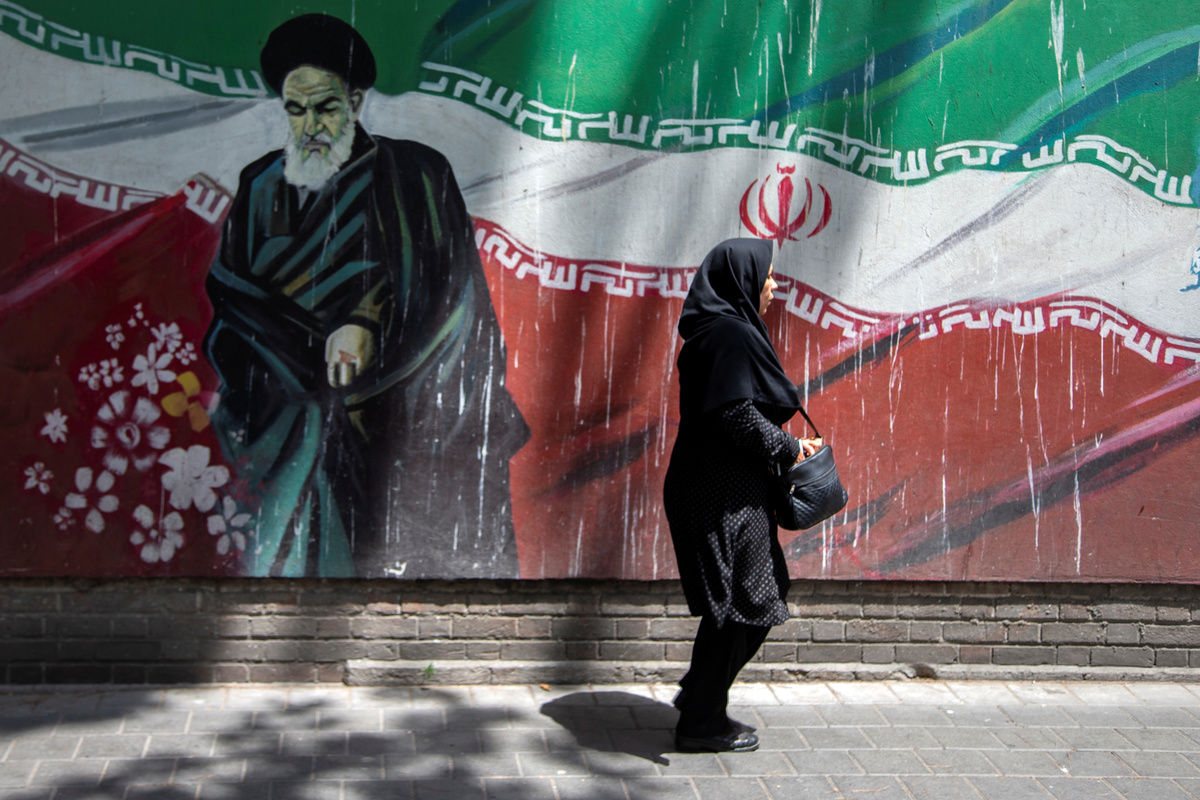
DUBAI (Reuters) - Iran said on Sunday it will shortly boost its uranium enrichment above a cap set by a landmark 2015 nuclear deal, prompting a warning 'to be careful' from U.S. President Donald Trump, who has pressured Tehran to renegotiate the pact.
In a sign of heightening tensions, France, Germany and Britain - all parties to the deal - expressed concerns over the step taken by Tehran, its latest effort to force the West to lift sanctions ravaging its limping economy.
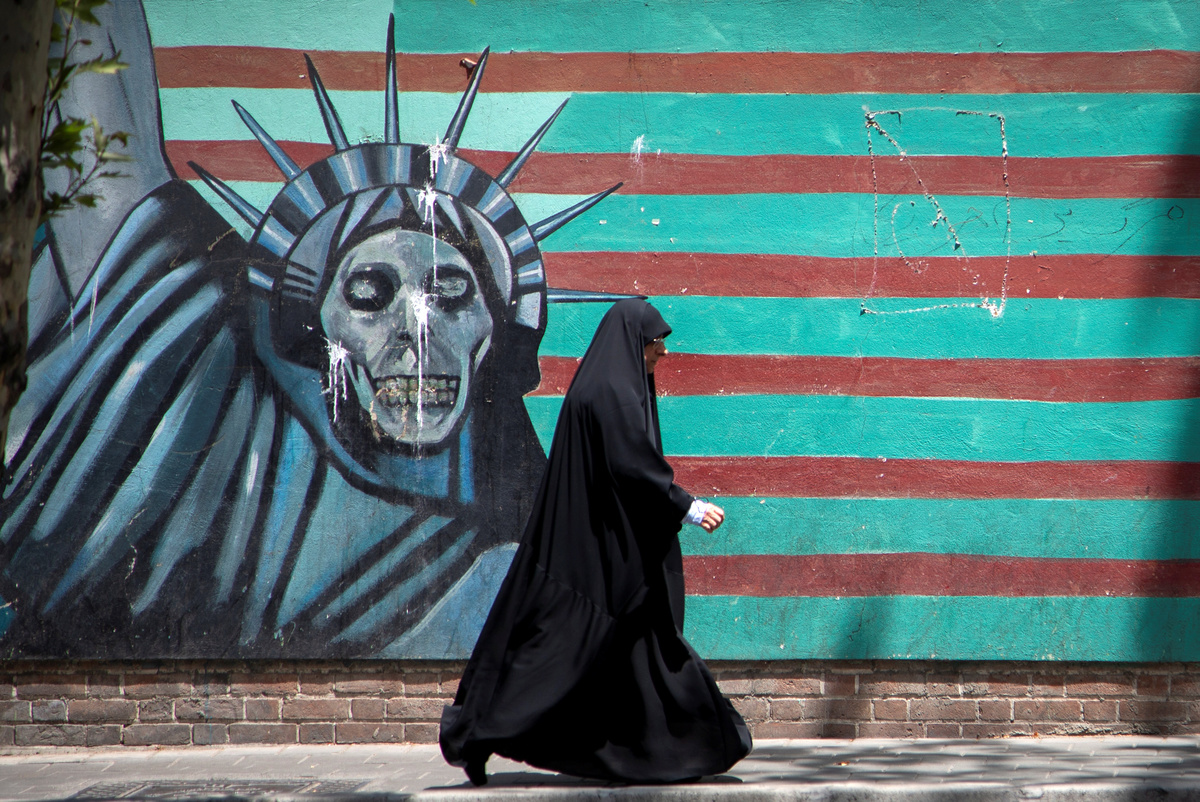
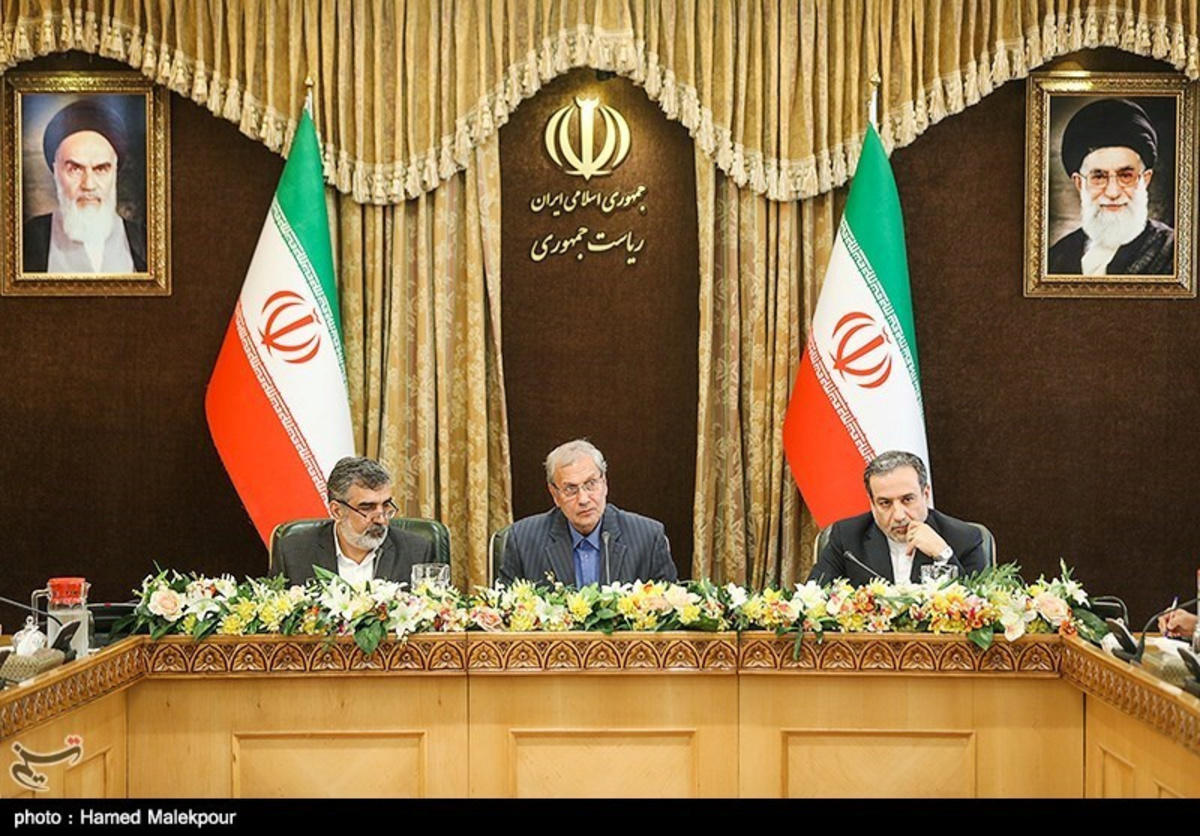
In a live news conference, senior Iranian officials threatened further violations, saying Tehran would keep reducing its commitments every 60 days unless European parties to the agreement protected it from sanctions imposed by Trump.
"We are fully prepared to enrich uranium at any level and with any amount," said Behrouz Kamalvandi, spokesman for Iran's Atomic Energy Organisation.
"In a few hours the technical process will come to an end and the enrichment beyond 3.67% will begin," he added, referring to the limit set in the 2015 agreement.
Speaking to reporters as he departed Morristown, New Jersey, Trump warned Tehran. "Iran better be careful. If you enrich for one reason and I won't tell you what that reason is but it's no good. They'd better be careful," he said.
Iran is 'doing a lot of bad things', Trump said but did not elaborate. "The way they want it, they would have automatic rights to have nuclear weapons. Iran will never have a nuclear weapon," he added.
Israeli Prime Minister Benjamin Netanyahu said the step was extremely dangerous and was designed to create atomic bombs, and again called on Europe to impose punitive sanctions on Tehran.
Iran has denied any intent to develop nuclear weapons.
Under the deal, most international sanctions against Tehran were lifted in return for limitations on its nuclear work.
Iran's main demand - in talks with the European parties to the deal and as a precondition to any talks with the United States - is to be allowed to sell its oil at the levels before Washington pulled out of the agreement and restored sanctions.
The confrontation has taken on a military dimension, with Washington blaming Tehran for attacks on oil tankers, and Iran shooting down a U.S. drone, prompting aborted U.S. air strikes.
The Europeans, who object to Trump's withdrawal from the deal, have so far failed to salvage the pact by shielding Iran's economy from U.S. sanctions, which cost billions of dollars in lost oil sales.
French President Emmanuel Macron condemned Iran's decision as a "violation" of the pact which the United States pulled out of last year.
Iran must immediately stop and reverse its activities, a spokesman for Britain's Foreign Office said on Sunday.
The European Union strongly urged Iran to stop actions that would undermine the pact, saying it was in touch with other parties and may set up a joint commission to examine the issue.
"The Iranian government is trying to create a crisis that will force a multilateral negotiation without precipitating a war," said Jon Alterman, director of the Middle East Program at the Center for Strategic and International Studies.
SPACE FOR TALKS?
Iran did leave room for negotiations.
All measures taken to scale back its commitments to the agreement were "reversible" if the European members of the pact fulfilled their obligations, Foreign Minister Mohammad Javad Zarif tweeted on Sunday.
The Iran nuclear deal dispute resolution mechanism will not be triggered for now, said a source at Macron's Elysee office. The French government is giving itself until July 15 to try to get all parties talking again.
Under that so-called snapback mechanism, if a series of steps designed to resolve differences fails, sanctions in all previous U.N. resolutions would be re-imposed.
Daniel Byman, senior fellow for foreign policy at the Brookings Institution, said Iran was engaged in a tricky balancing act.
"The step is meant to show domestic audiences that Iran is standing up to U.S. pressure. It is also meant to convey a sense of risk to European audiences that Iran may provoke a crisis," he said.
Under the pact, Iran can enrich uranium to 3.67% fissile material, well below the 20% it was reaching before the deal and the roughly 90% suitable for a nuclear weapon.
Kamalvandi said Iran would enrich uranium for use in fuelling its Bushehr power plant, to the level of 5%, confirming what Reuters reported on Saturday.
PRESSURE ON EUROPEANS
Inspectors from the U.N. nuclear watchdog who are in Iran will report back once they have checked that Tehran has enriched uranium to a higher level of purity than that allowed under the deal, the agency said.
Long-tense relations between Tehran and Washington deteriorated in May 2018 when Trump withdrew from the deal, which was reached before he took office, and reimposed sanctions, saying the agreement did not go far enough and did not address Iran's missile programme or its policies in the Middle East.
Tehran says its missile programme is defensive.
Under a dispute process, Iran could argue the U.S. withdrawal and Washington's sanctions campaign constitute "significant non-performance" and "treat the unresolved issue as grounds to cease performing its commitments".
"European countries have failed to uphold their commitments and they are also responsible," Abbas Araqchi, Iran's senior nuclear negotiator, told the news conference in Tehran.
"The doors of diplomacy are open but what matters are new initiatives which are required."
(Additional reporting by Jeff Mason in Morristown, New Jersey, Alexandra Alper and Humeyra Pamuk in Washington, Thomas Escritt in Berlin; Kylie MacLellan in London, Paris bureau staff, and Francois Murphy in Vienna; Writing by Michael Georgy; Editing by Alexandra Hudson and James Dalgleish)