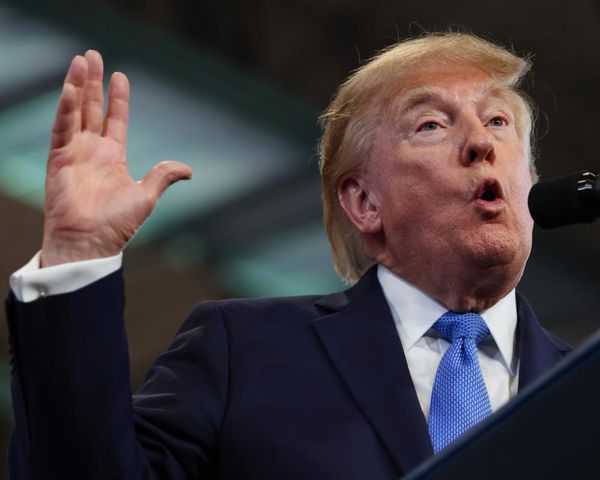
Iran has ridiculed US president Donald Trump’s proposal for peace, calling the purported 15-point plan “excessive” and a “strategic failure”.
Overnight, the US leader appeared to rehash existing points that had been used as the basis for peace negotiations before US-Israeli strikes killed supreme leader Ayatollah Ali Khamenei on 28 February, sparking a regional war – and presented these as the basis for a new deal.
The proposal, first reported by The New York Times, included demands for Iran to dismantle its existing nuclear capabilities, abandon its “regional proxy paradigm” (including the dismantling of said proxies), reopen the Strait of Hormuz, and limit its use of missiles to self-defence.
Nir Barkat, Israel’s economy minister, told the BBC that the plan was “beautiful on paper” but it was unlikely that the Islamic Republic would agree to it.
A high-ranking Iranian diplomatic official later described the proposal as “extremely maximalist and unreasonable” in comments made to Al Jazeera on Wednesday. They also denied that media reports accurately reflected the substance of the plan.
“It is not even beautiful on paper,” they remarked. An Iranian official confirmed to reporters that the response to the proposal was not positive, and that it was still being reviewed by Tehran.
Iran’s response is reportedly being conveyed to Washington via intermediary Pakistan, which has taken the lead in negotiations after Gulf countries found themselves embroiled in defensive efforts to rebuff Iranian attacks.
Iranian state broadcaster Press TV later listed five key demands in exchange for a ceasefire, including a complete stop to aggression and assassinations, concrete mechanisms to ensure the war is not “reimposed”, the payment of damages and reparations, the cessation of fighting with all resistance groups throughout the Middle East, and the recognition of Iran’s sovereignty over the Strait of Hormuz.
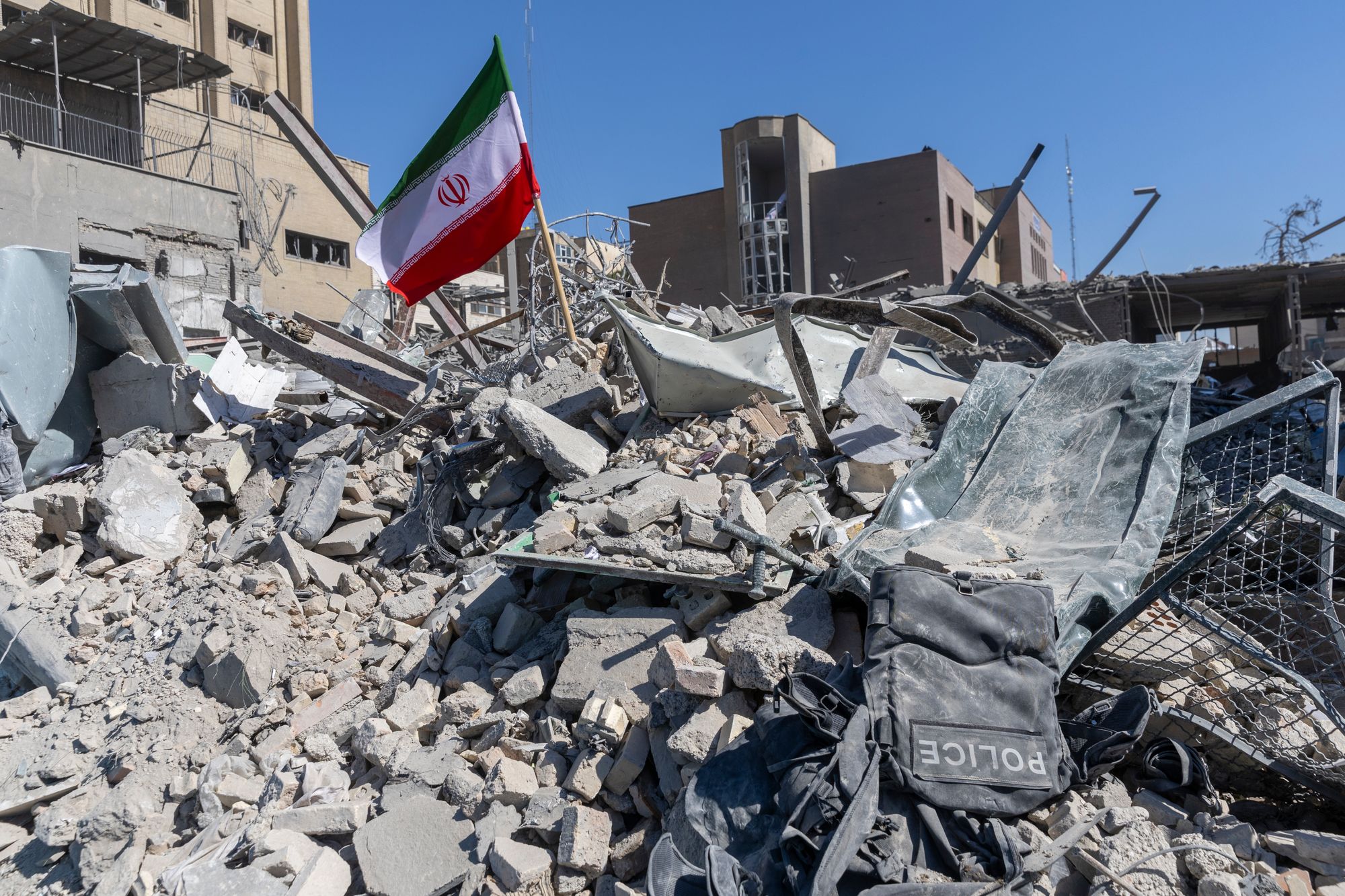
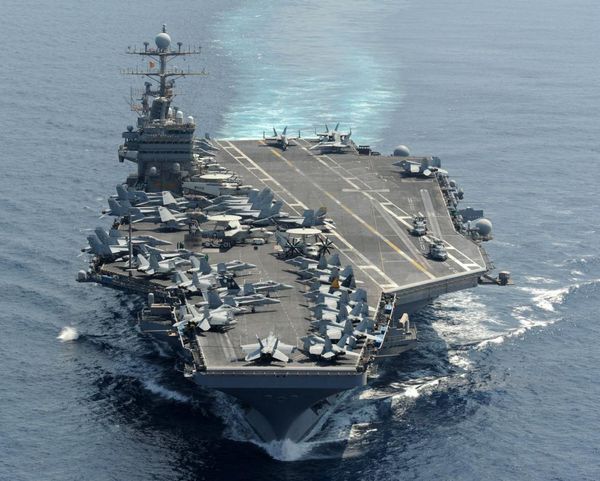
Despite oil markets briefly recovering this week following President Trump’s public displays of diplomacy, the Pentagon confirmed on Wednesday that ground troops would be deployed to the Middle East after Iran’s rejection of the proposal.
Some elements of the 82nd Airborne Division, some division enablers, and the 1st Brigade Combat Team will be mobilised to the beleaguered region. The military personnel are trained to parachute or helicopter into a specified area with the intention of seizing it.
“I think we’re wrapping up Operation Epic Fury,” US House of Representatives speaker Mike Johnson predicted in comments to reporters. “That’s what I think. And I think it’ll be done in short order, and that’ll be right on schedule.”
Earlier in the week, reports emerged that Iranian officials had been reluctant to negotiate with the US amid rumours that more than 2,000 American troops were to be sent to the Middle East.
Iran has continued to mock the US and insisted it will fight on until “complete victory”.
“Has the level of your inner struggle reached the stage of you negotiating with yourself?” Ebrahim Zolfaqari, spokesperson for the Unified Command of Iran’s armed forces, said on Wednesday in comments broadcast by the country’s semi-official Fars news agency. “Don’t call your failure an agreement.”
Iran said it has opened the Strait of Hormuz for “non-hostile vessels” as long as they cooperate with authorities.
Europe has been caught between the warring nations, which have been sending mixed messages to their allies and opponents alike. European countries have taken a relative back seat to hostilities, offering some defensive support in place of assertive action.
On Wednesday, Downing Street said it welcomes “any productive talks” between the US and Iran.
Zelensky accuses Russia of blackmailing US over military intelligence
White House denies existence of 15-point Iran ceasefire plan touted by Trump days ago
TSA airport delays latest news: Trump floats calling in National Guard
Iran-US war live: Trump prepared to ‘unleash hell’ if Tehran doesn’t negotiate
Inside the 82nd Airborne: The US army division set to deploy in the Middle East
‘Zombie’ ships appear in the Strait of Hormuz after they were scrapped for parts