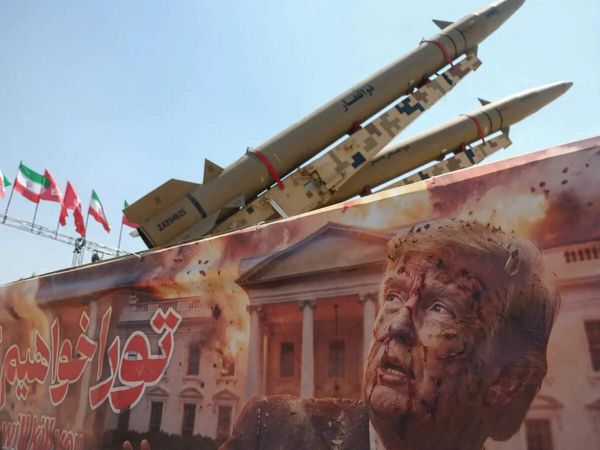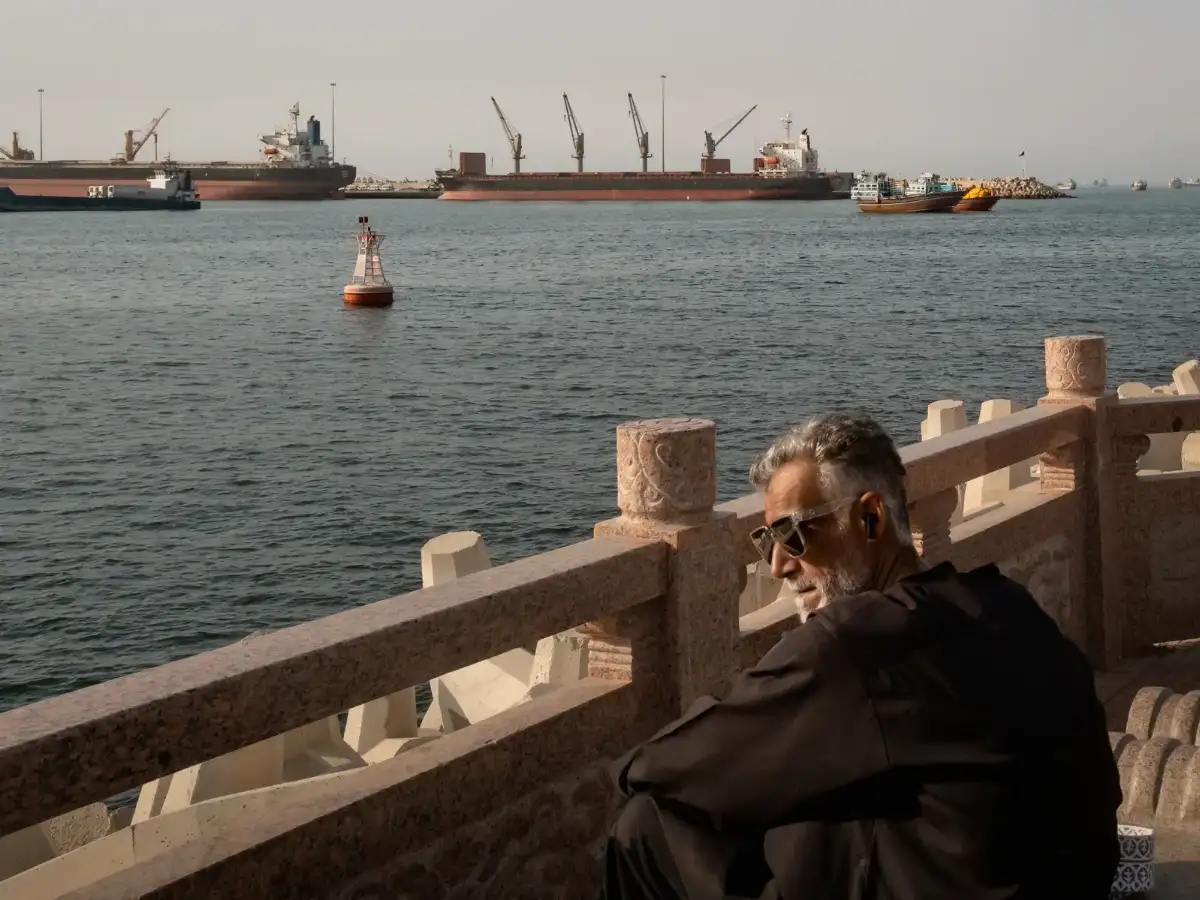
Iran and Oman appear to be edging closer to a deal on how the Strait of Hormuz should be managed, agreeing on routes through the key waterway that’s proved a major stumbling block in efforts to end almost six months of war between the Islamic Republic and the US.
The finalization of a “shipping map” forms part of a broader accord to govern traffic through the strait and constitutes an independent arrangement between the two states that will uphold their sovereignty and ensure the safe transit of vessels, Defa Press cited Iranian Foreign Ministry spokesman Esmail Baghaei as saying. The state-run news agency didn’t spell out whether ships will be charged transit fees or what security arrangements would be made for them, saying another phase of talks would be held.
The move follows a series of attacks in Hormuz, through which a fifth of the world’s oil and gas transited before the war. The US wasn’t party to its negotiation and is unlikely to agree to terms that don’t restore free passage along the route linking the Persian Gulf to the Gulf of Oman and the Arabian Sea.
Also read | What Bessent’s big move against Iran could look like
The price of Brent crude, the global benchmark, rose almost 6% this week as hopes faded of a quick resolution to a deadlock that’s disrupted the flow of oil and other key commodities to global markets. There had been some 65 confirmed incidents involving vessels in Hormuz and the broader Middle East during the conflict and 17 seafarers had died as of Aug. 11, according to the International Maritime Organization.
Attacks have continued since then, with the UK Maritime Trade Operations saying on Saturday that it had been notified of a projectile striking the hull of a bulk carrier. And two Abu Dhabi National Oil Co. vessels were struck while transiting Hormuz on Thursday and another was hit on Friday evening, according to reports from the United Arab Emirates’ state-run WAM news.
Meanwhile, the US is readying new economic measures to force Tehran to capitulate in the war, which began when America and Israel launched air strikes against the Islamic Republic on Feb. 28 and has claimed thousands of lives — most of them in Iran.
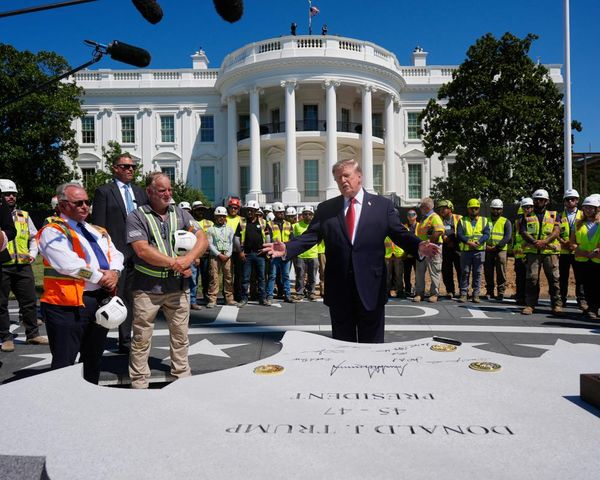
President Donald Trump told Fox News on Friday that the US plans to hit Iran’s economy hard and he didn’t care if the conflict ends before the November US midterm elections, which will hinge on voter perceptions of the economy.
In a speech on Long Island Friday, Trump said a US blockade of Iranian ports was a “wall of steel” that enabled Washington to effectively govern Hormuz. “Pretty soon I’ll be declaring the Hormuz strait a territory of the United States,” he said.
Iranian Foreign Minister Abbas Araghchi said an agreement with Oman wouldn’t translate into the strait’s reopening.
Also read | Asia buys more US crude as Hormuz remains blocked
That “is a separate issue. It depends on fulfilling other conditions that the US must abide by for it to take place,” he said on his Telegram channel on Saturday. While Iran is in contact with mediators from Qatar and Pakistan, who are passing messages between Tehran and Washington, “this does not constitute negotiation. We have not yet made a decision to resume negotiations with the US,” he added.