Iran and the U.N. nuclear watchdog are extending a recently expired monitoring agreement by a month, both sides said on Monday, avoiding a collapse that could have pitched wider talks on reviving the 2015 Iran nuclear deal into crisis.
The move gives breathing space to indirect negotiations between the United States and Iran that resume in Vienna this week. European diplomats had warned that failure to extend the monitoring pact would endanger those talks, which aim to bring the two countries back into full compliance with the 2015 pact.
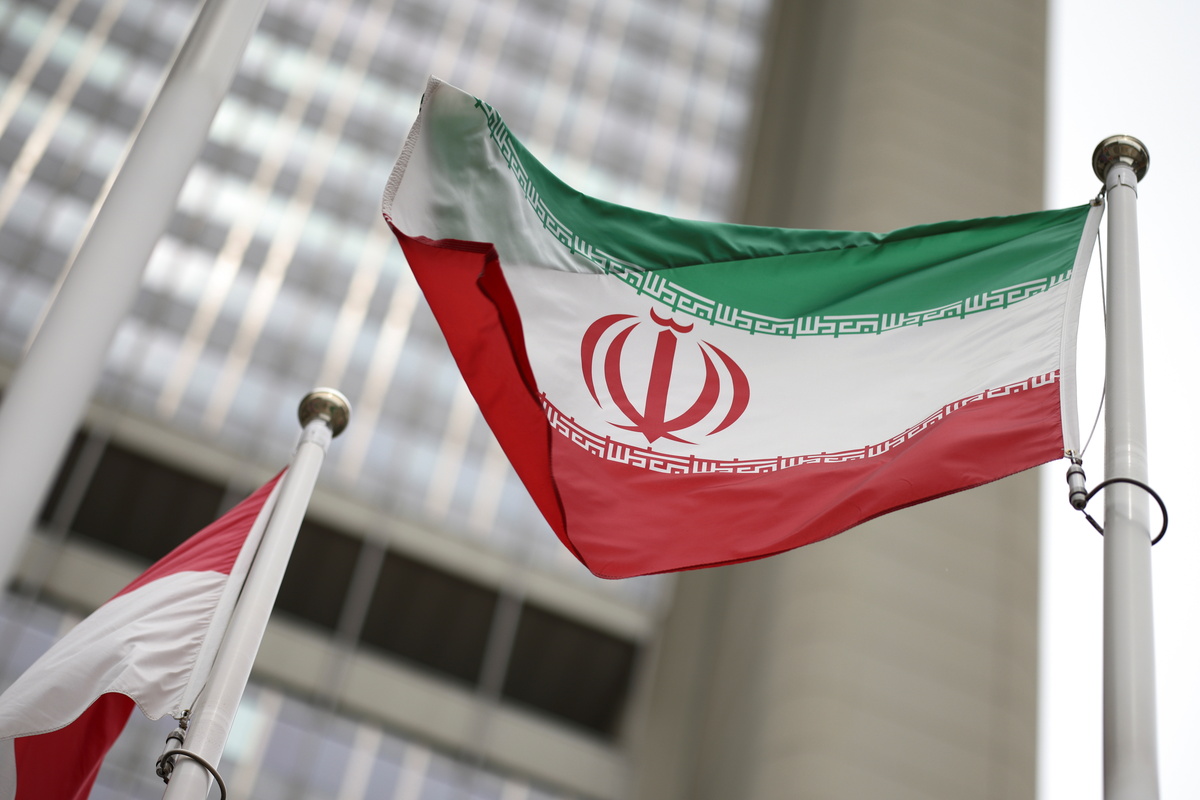
The reprieve will only be brief, however, since the extension will expire soon after Iran's June 18 presidential election, which is likely to bring in new interlocutors for the International Atomic Energy Agency and major powers.
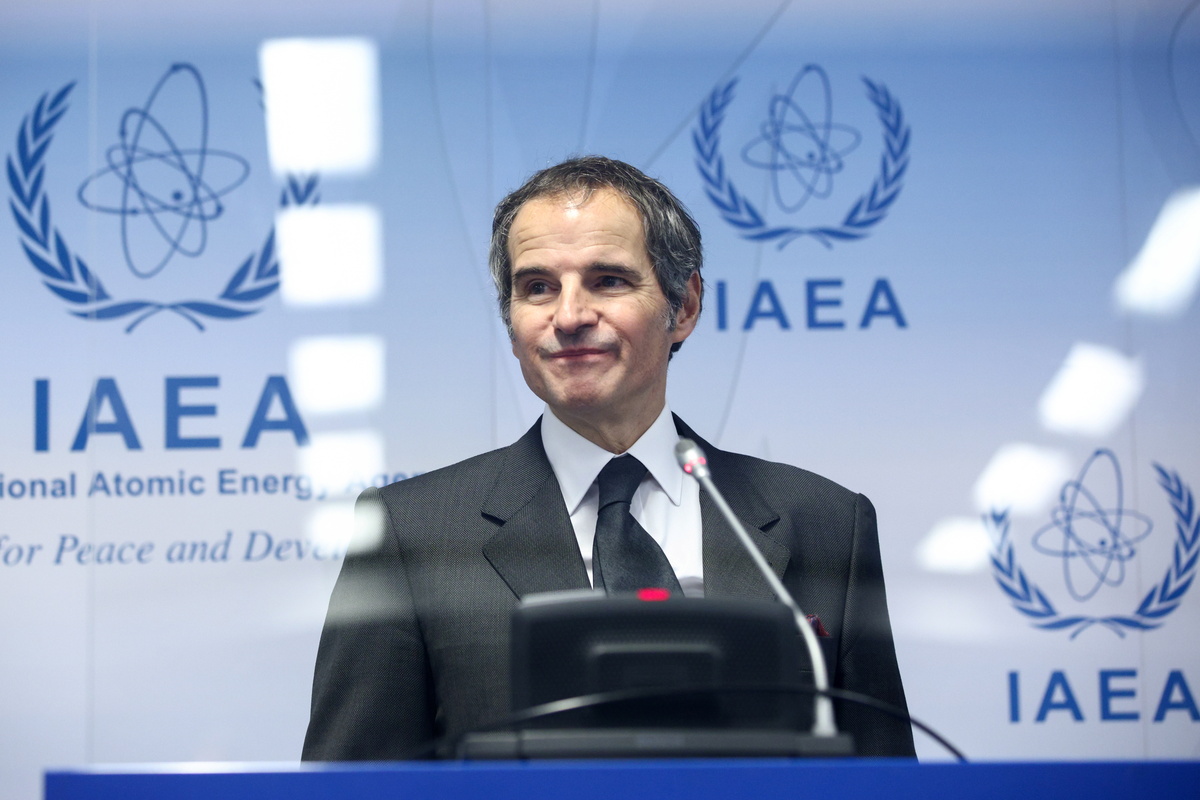
"The equipment and the verification and monitoring activities that we agreed (on) will continue as they are now for one month, expiring then on June 24," IAEA Director General Rafael Grossi told a news conference.
He spoke soon after Iran's ambassador to the agency, Kazem Gharibabadi, who urged major powers meeting in Vienna to make use of the window afforded by the extension.
"I recommend that they use this opportunity, which has been provided in good faith by Iran, and lift all the sanctions in a practical and verifiable manner," Gharibabadi said on Monday, according to state media.
The three-month agreement was struck in February to soften the blow of Iran restricting its cooperation with IAEA inspectors, and it allowed monitoring of some activities that would otherwise have been axed to continue.
It is a black box-type system in which the IAEA cannot check data collected until a later date. The IAEA will have no access to the data gathered over the past three months until at least June 24, Grossi said, adding that he should still be able to provide quarterly updates on Iran in roughly the same way.
The 2015 accord is designed to ensure Iran cannot develop nuclear weapons by restricting its uranium enrichment programme. Tehran says it has never wanted to build atomic bombs.
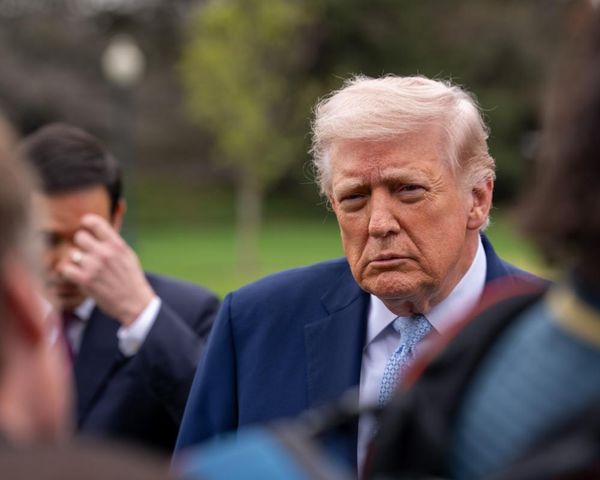
Former U.S. President Donald Trump's administration abandoned the nuclear accord three years ago and then reimposed harsh economic and trade sanctions on the Islamic Republic.
Iran responded by breaching the 2015 deal's restrictions on its nuclear activities. Its move to curb IAEA access arose from legislation widely seen as a means of pressuring President Joe Biden's administration to return to the nuclear pact and lift sanctions.
(Additional reporting by John Revill in Zurich; Writing by Francois Murphy and Parisa Hafezi Editing by Mark Heinrich)