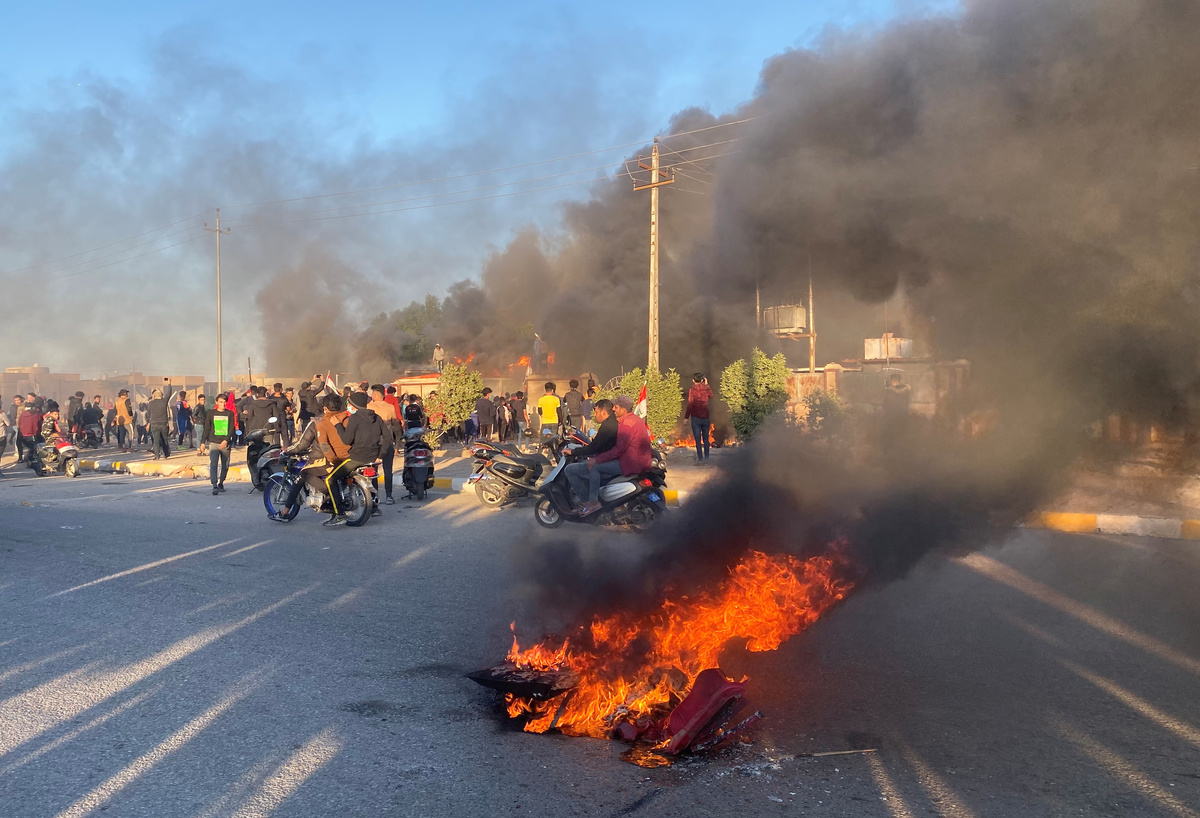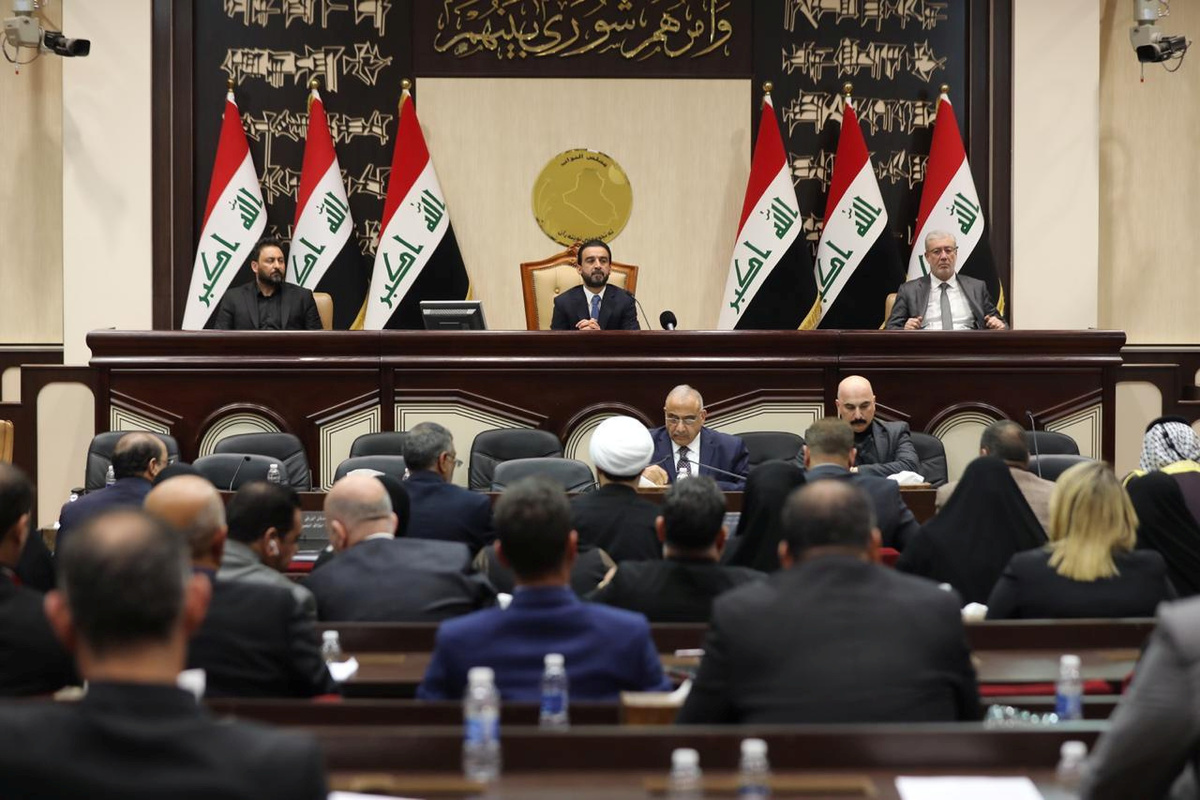
Iraq's parliament called on Sunday for U.S. and other foreign troops to leave amid a growing backlash against the U.S. killing of a top Iranian military commander that has heightened fears of a wider Middle East conflict.
In a war of words between Iran and the United States, U.S. Secretary of State Mike Pompeo said Washington would target any Iranian decision-makers it chose if there were further attacks on U.S. interests by Iranian forces or their proxies.
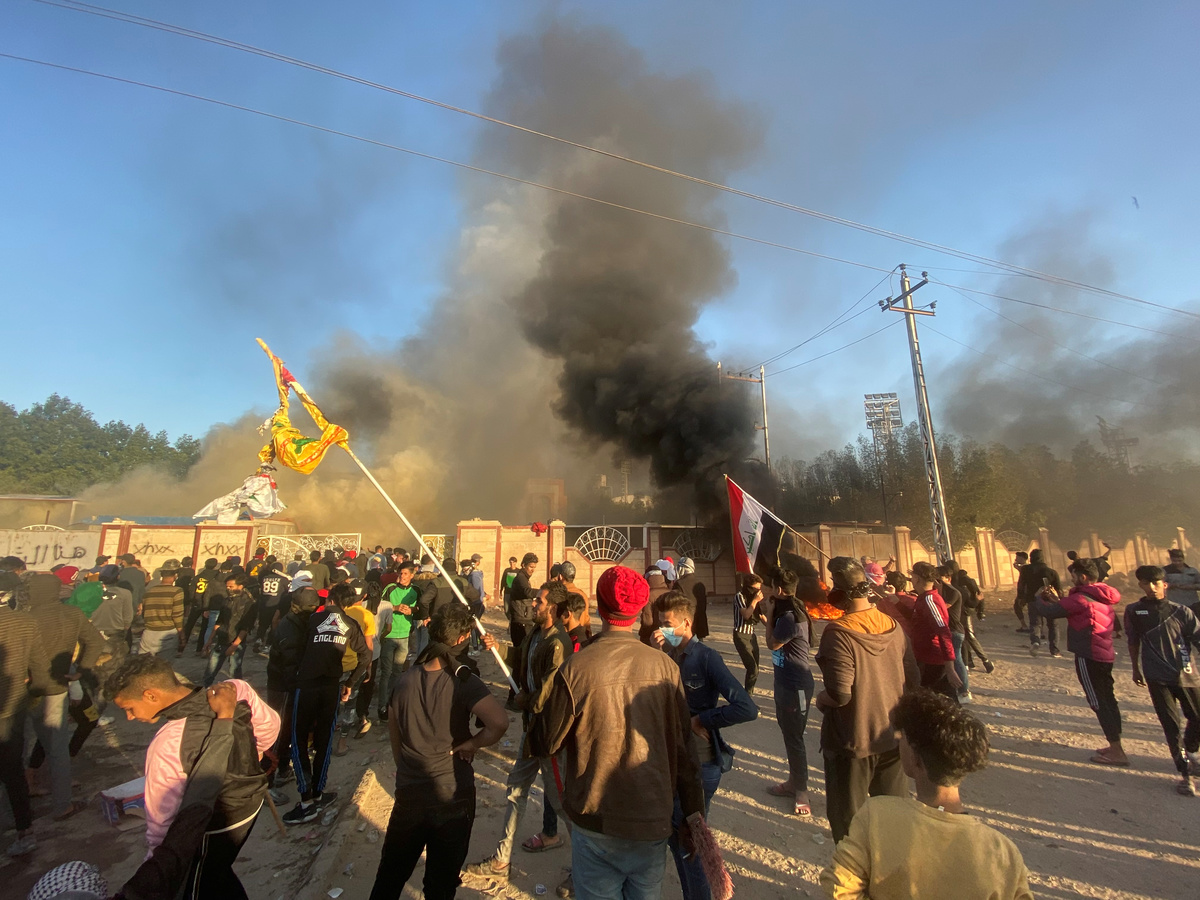
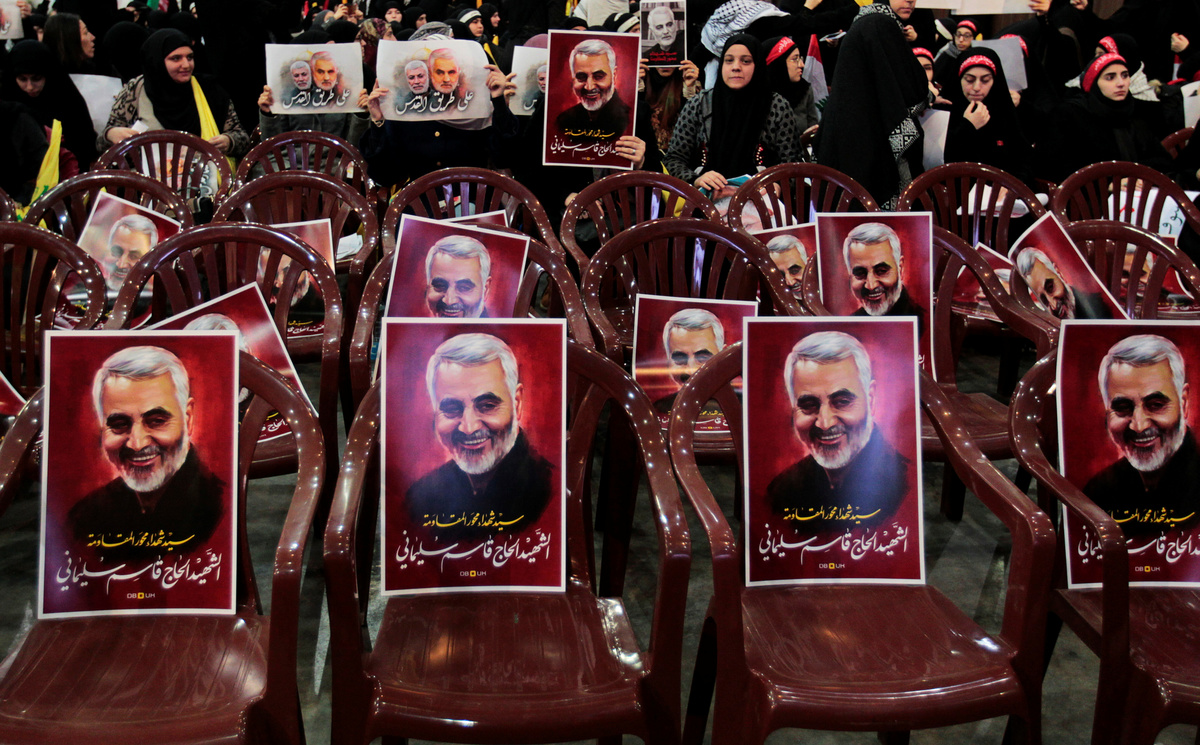
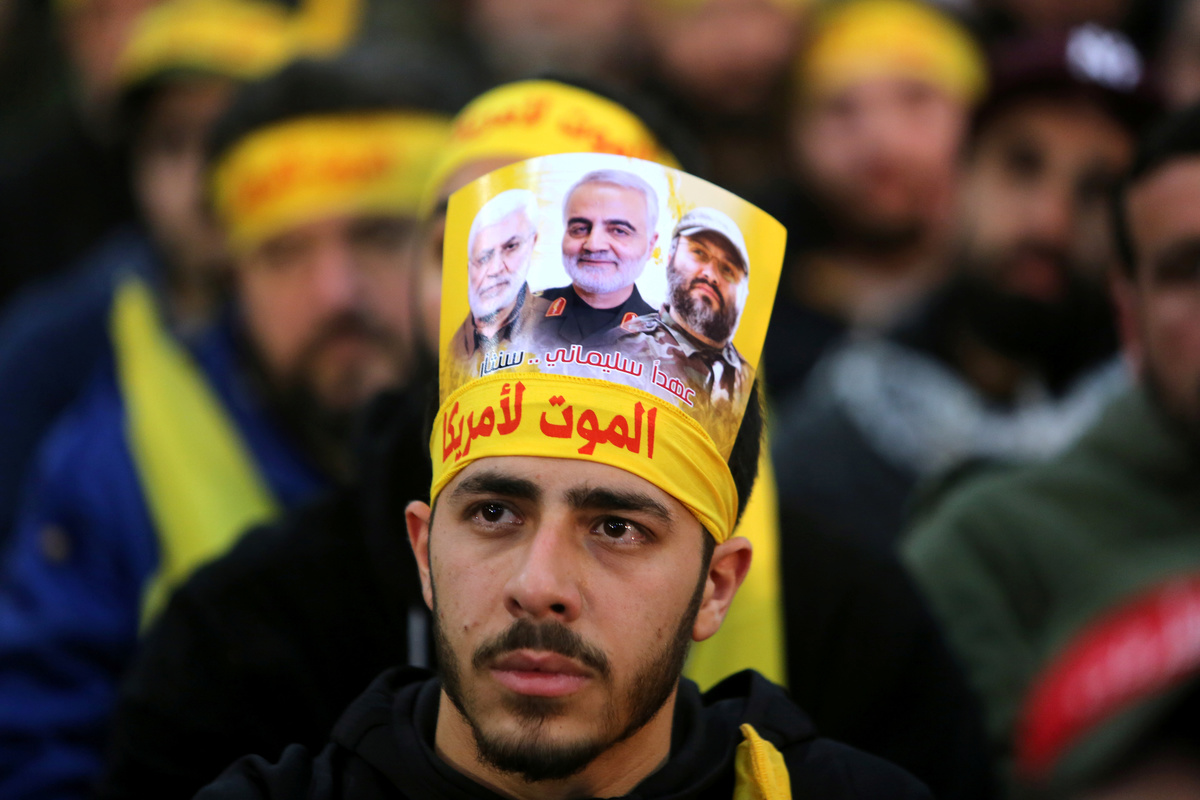
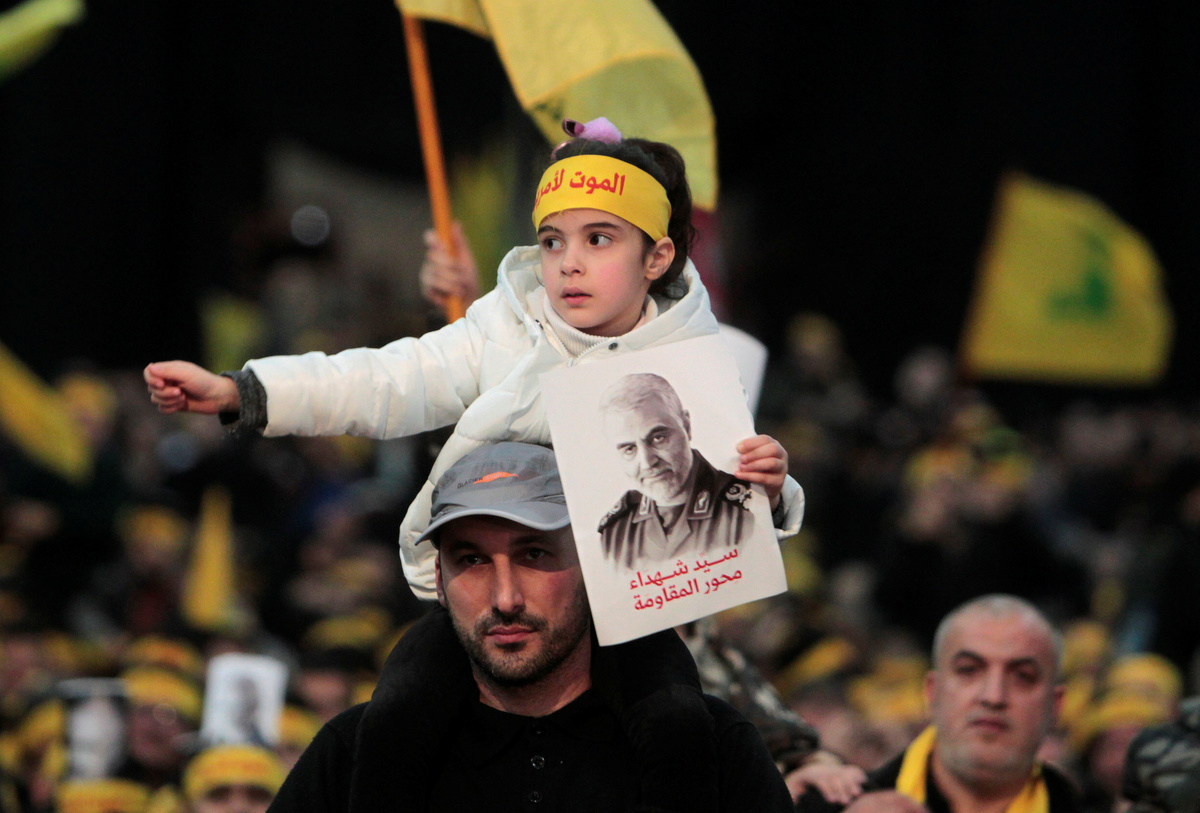
Qassem Soleimani was killed on Friday in a U.S. drone strike on his convoy at Baghdad airport, an attack that carried U.S.-Iranian hostilities into uncharted waters and stoked concern about a major conflagration.
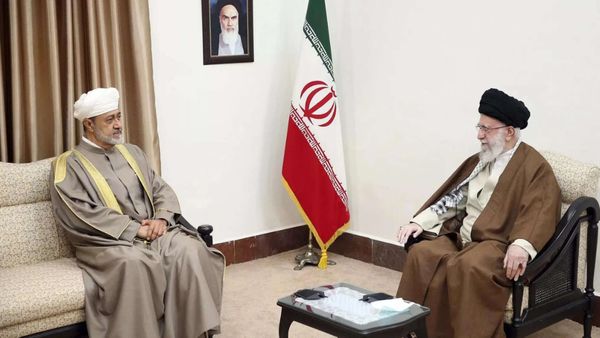
As Washington and Tehran, longtime foes, traded threats and counter-threats, the European Union, Britain and Oman urged them to make diplomatic efforts to defuse the crisis.
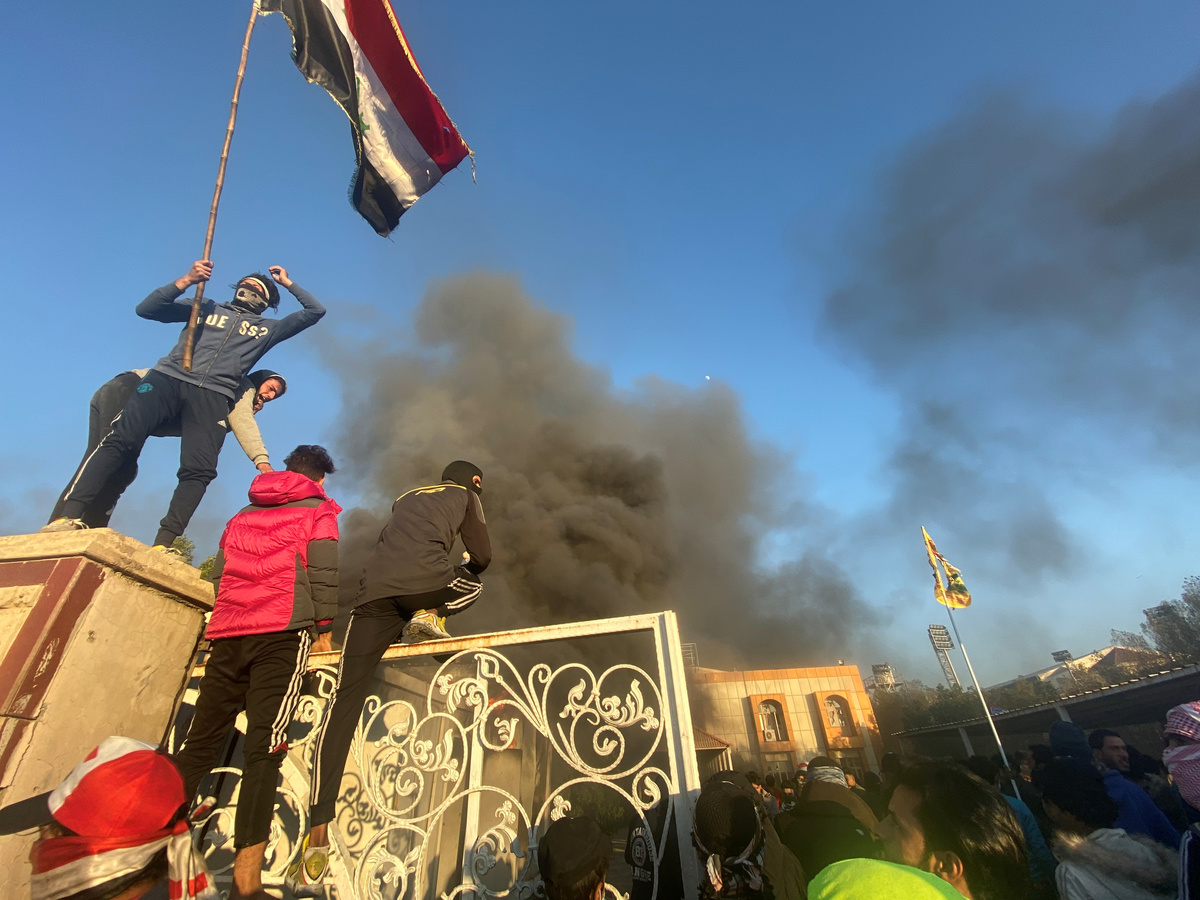
The Iraqi parliament passed a resolution calling for an end to all foreign troop presence, reflecting the fears of many in Iraq that the strike could engulf them in another war between two bigger powers long at odds in Iraq and across the region.
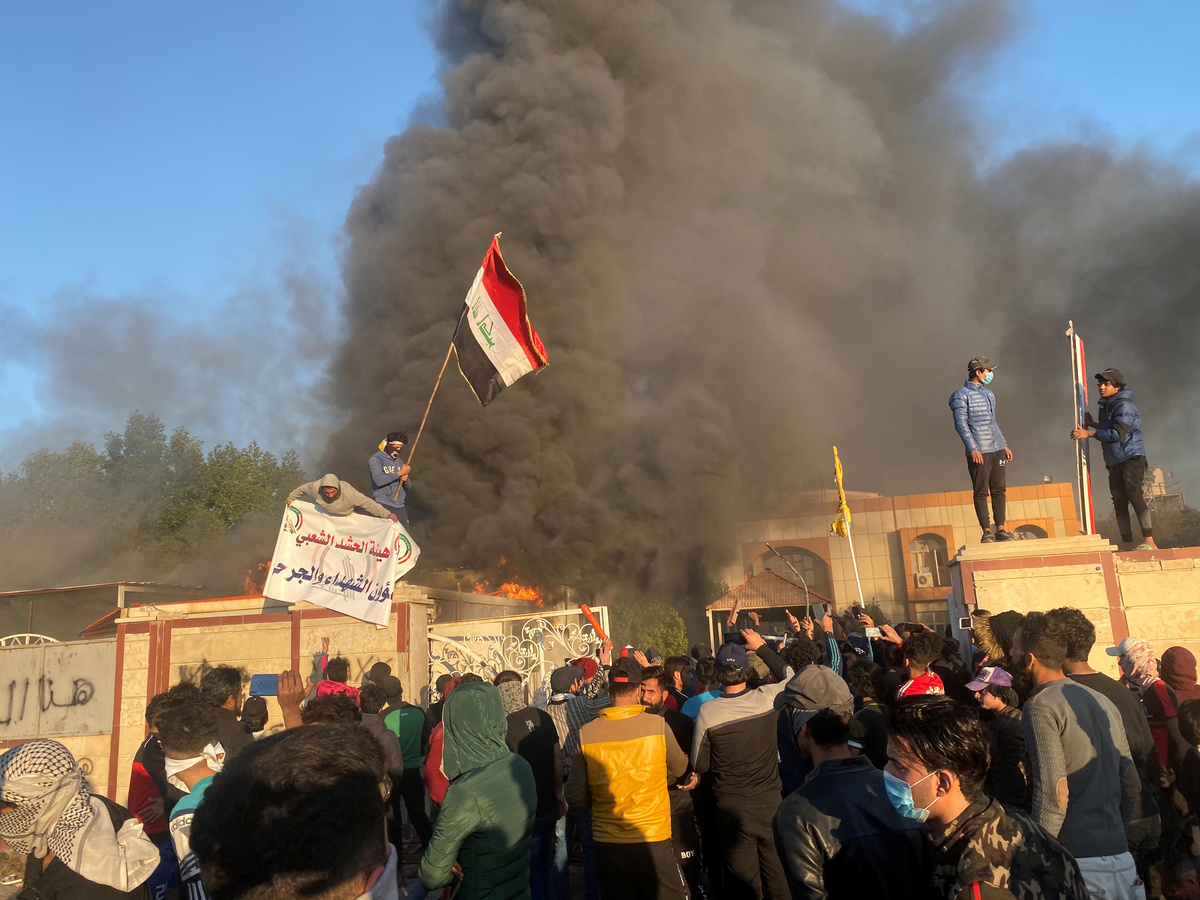
"The Iraqi government must work to end the presence of any foreign troops on Iraqi soil and prohibit them from using its land, air space or water for any reason," it said.
While such resolutions are not binding on the government, this one is likely to be heeded: Prime Minister Adel Abdul Mahdihad earlier called on parliament to end foreign troop presence as soon as possible.
Pompeo told CBS's "Face the Nation" that Washington was watching very closely what took place in the Iraqi parliament. He did not say whether the United States would remove its troops from Iraq if requested by the Iraqi government.
"It is the United States that is prepared to help the Iraqi people get what it is they deserve and continue our mission there to take down terrorism from (Islamic State militants) and others in the region," Pompeo said in the interview. "That is in defense of the Iraqi people and is good for America, too."
Some 5,000 U.S. troops remain in Iraq, most in an advisory role.
Iran's Supreme National Security Council Secretary Ali Shamkhani told state television the Iraqi parliament's vote means the U.S. military presence in Iraq is considered an occupation.
Despite decades of U.S.-Iran enmity, Iranian-backed militia and U.S. troops fought side by side during Iraq's 2014-17 war against Islamic State, their common enemy. Iraqi militia leader Abu Mahdi al-Muhandis was also killed in Friday's strike.
The parliamentary resolution was passed by overwhelmingly Shi'ite lawmakers, as the special session was boycotted by most Sunni Muslim and Kurdish lawmakers.
One Sunni member of parliament told Reuters both groups feared that kicking out U.S.-led forces would leave Iraq vulnerable to insurgents, undermine security and heighten the power of Iranian-backed Shi'ite militias.
'TERRORIST IN A SUIT'
Earlier on Sunday, Iran lambasted Trump after the U.S. president threatened to hit 52 Iranian sites, including targets important to Iranian culture, if Tehran attacks Americans or U.S. assets in retaliation for Soleimani's death.
"Like ISIS, Like Hitler, Like Genghis! They all hate cultures. Trump is a terrorist in a suit. He will learn history very soon that NOBODY can defeat 'the Great Iranian Nation & Culture'," Information and Telecommunications Minister Mohammad Javad Azari-Jahromi wrote on Twitter.
In remarks to Fox News on Sunday, Pompeo said Trump had not threatened to target Iranian cultural sites.
Soleimani masterminded Iran's clandestine and military operations abroad as head of the Revolutionary Guards' Quds Force, creating an arc of Shi'ite power with the help of proxy militias confronting the regional might of the United States, Israel and Saudi Arabia.
Hundreds of thousands of mourners, many chanting, beating their chests and wailing in grief, turned out across Iran to show their respects after Soleimani's body was returned to a hero's welcome.
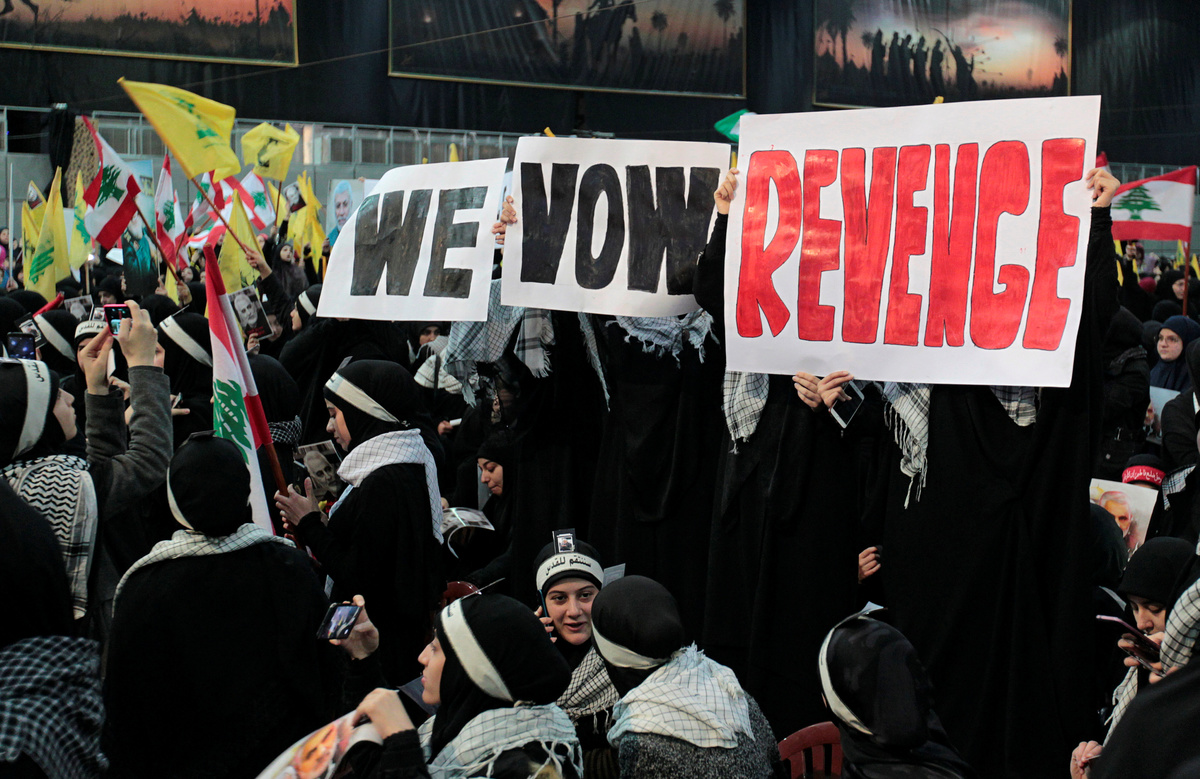
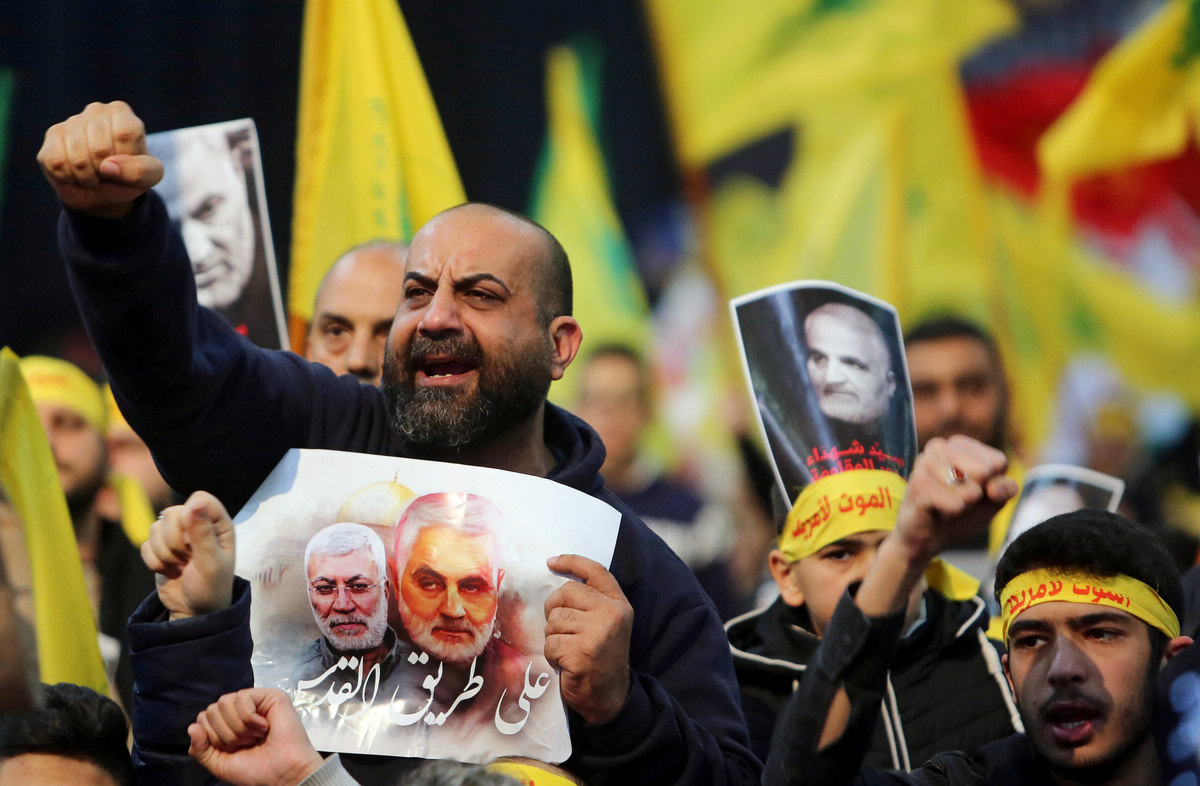
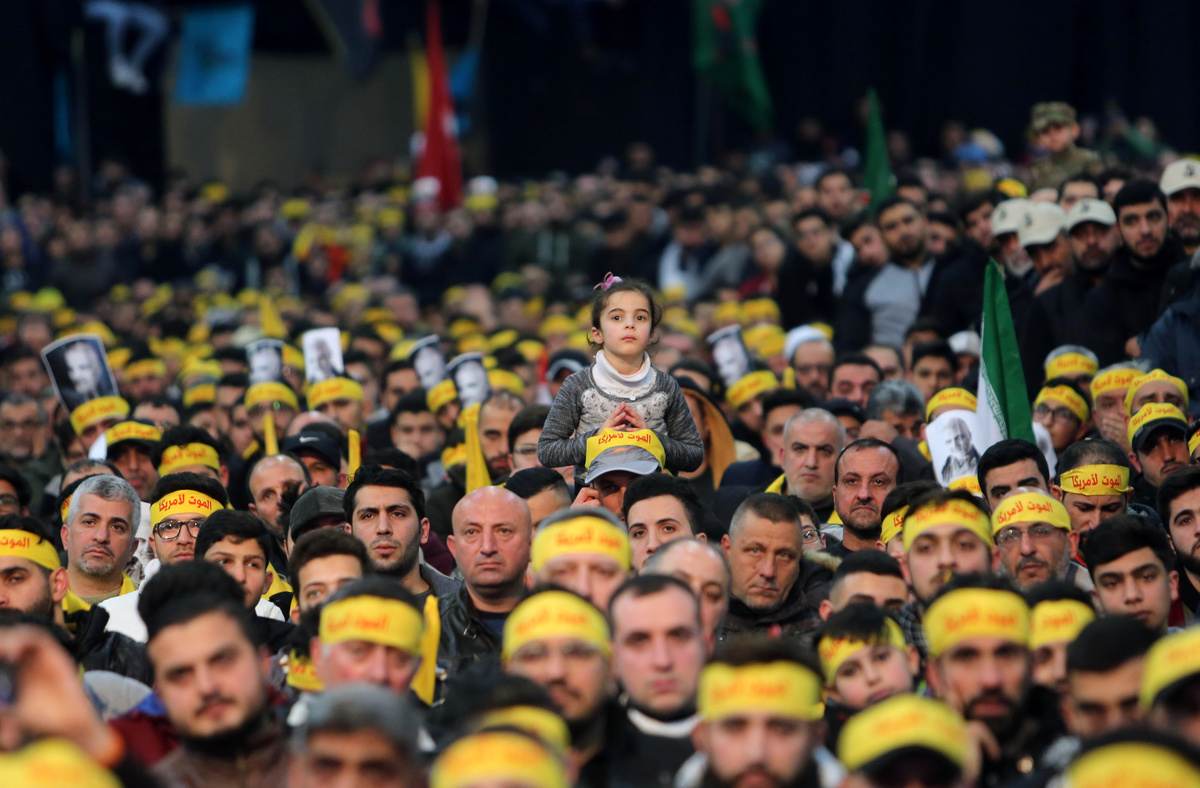
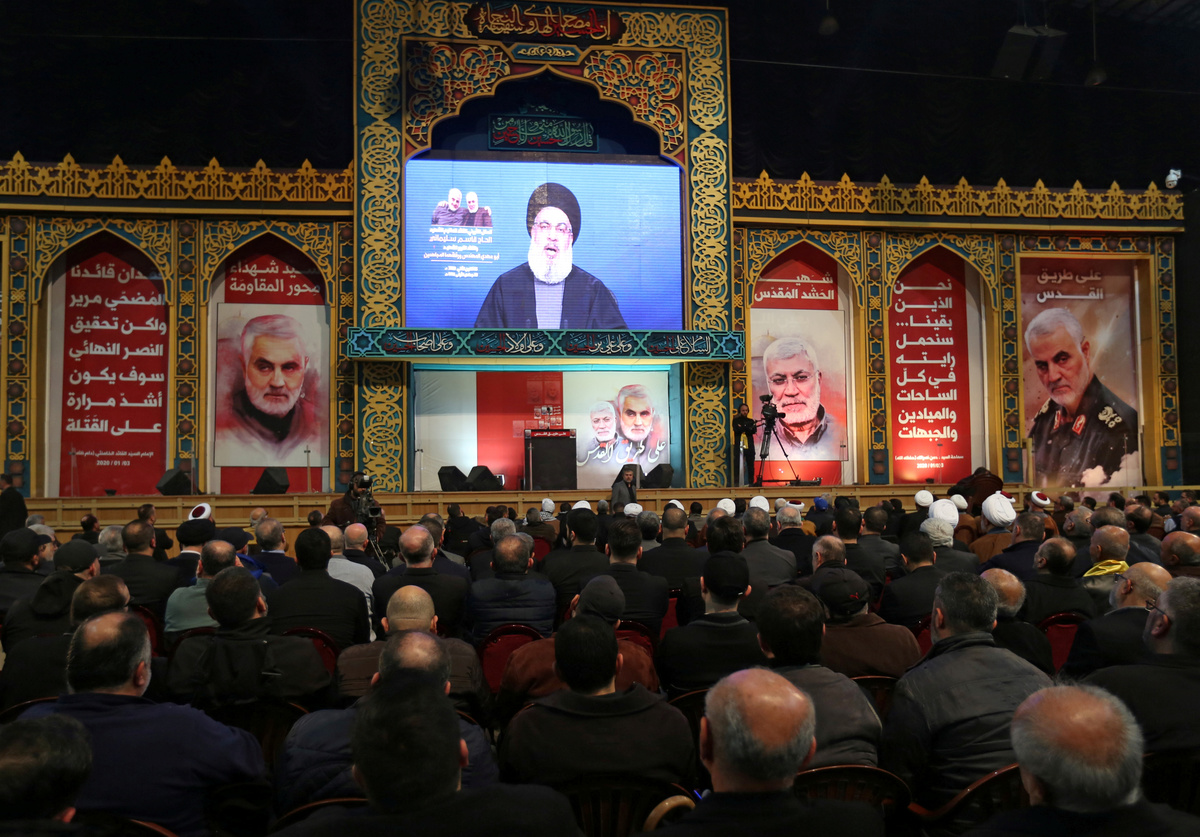
Sayyed Hassan Nasrallah, leader of Lebanon's powerful, Iran-allied Hezbollah movement, said the U.S. military in the Middle East would pay the price for Soleimani's death and U.S. soldiers would go home in coffins.
Pompeo rejected suggestions that the U.S. intelligence that led to the strike on Soleimani was thin.
"The intelligence assessment made clear that no action - allowing Soleimani to continue his plotting and his planning, his terror campaign - created more risk than taking the action that we took last week," he said on ABC's "This Week" show.
Democratic critics of the Republican president have said Trump was reckless in authorising the strike.
Heightened fears of war drove Gulf stocks sharply lower on Sunday.
EU foreign policy chief Josep Borrell urged Iran's foreign minister by phone to work to de-escalate the situation and invited him to Brussels to discuss ways of preserving world powers' 2015 nuclear deal with Iran.
It was Trump's withdrawal of the United States from the deal in 2018 and reimposition of sanctions on Iran that touched off a new spiral of tensions after a brief thaw following the accord.
On Sunday, Iran further distanced itself from the deal, saying it will continue to cooperate with the U.N. nuclear watchdog but will respect no limits its uranium enrichment work.
This meant "there will be no limitations in enrichment capacity, level of enrichment and research and development and ... it will be based on Iran's technical needs," state TV said, quoting a government statement. It said the roll-back of its nuclear commitments could be reversed if the United States lifted sanctions on Tehran.
(Reporting by Ahmed Rasheed and Ahmed Aboulenein; Additional reporting by Kylie MacLellan in London, Parisa Hafezi and Babak Dehghanpisheh in Dubai, Francesco Guarascio in Brussels, Tom Perry in Beirut, Daphne Psaledakis and Doina Chiacu in Washington, Ateeq Shariff in Bengaluru; Writing by Mark Heinrich and Daniel Wallis; Editing by Frances Kerry and Lisa Shumaker)