
The best budget iPhone yet
The iPhone 17e continues the legacy of Apple's budget "SE" and "e" product lines while providing a more complete experience than ever before. It now has a faster Apple A19 processor, 256GB base storage and MagSafe charging. However, it's a bit limited in display and camera technology, which may make people want to upgrade to something like the Galaxy S25 FE.
Pros
- Apple A19 processor in a $599 phone
- 256GB of base storage included as standard
- Compact and lightweight design with premium build
- MagSafe/Qi2 wireless charging onboard
Cons
- 6.1-inch display is only 60Hz
- Offers just one 48MP rear camera sensor
- Large notch cuts into viewable screen area
- Lower-capacity battery than competition
The versatile choice
The Samsung Galaxy S25 FE is just $50 more expensive than the iPhone 17e, but it packs a few extra features to justify the added cost. You get a large 120Hz display, a triple-camera system on the rear, and a bigger battery capacity. However, the iPhone 17e might win in the performance and software departments.
Pros
- Larger 6.7-inch OLED screen with 120Hz refresh rates
- Triple-camera system including 3x optical telephoto lens
- Seven years of OS upgrades and Galaxy AI features
- 4,900mAh battery with fast charging
Cons
- No MagSafe support
- Larger and heavier than iPhone 17e
- Slower Exynos processor
- Slightly more expensive
It's not every day that Apple releases an excellent midrange smartphone, and when it does, it tends to get a lot of attention. That's true of the iPhone 17e — a new $599 device with the latest A19 chip, 256GB of base storage, and native MagSafe/Qi2 support. However, Android phone brands have had a stronger, more consistent presence in the budget and midrange markets than Apple, so the iPhone 17e will face stiff competition.
Apple and Samsung are two of the largest smartphone manufacturers in the world, and it's only fitting that the iPhone 17e will go up against the Galaxy S25 FE. The latter is a slightly more expensive, but much more polished, midranger than the iPhone 17e. It has a larger screen and two extra cameras, but it's also bigger and heavier overall, while lacking crucial Qi2 support. As such, the choice between the iPhone 17e and the Galaxy S25 FE is hardly a slam dunk for either device.
If you're in the market for a midrange smartphone, here's what you need to know to decide between Apple and Samsung's latest offerings.
iPhone 17e vs. Samsung Galaxy S25 FE: Design and display
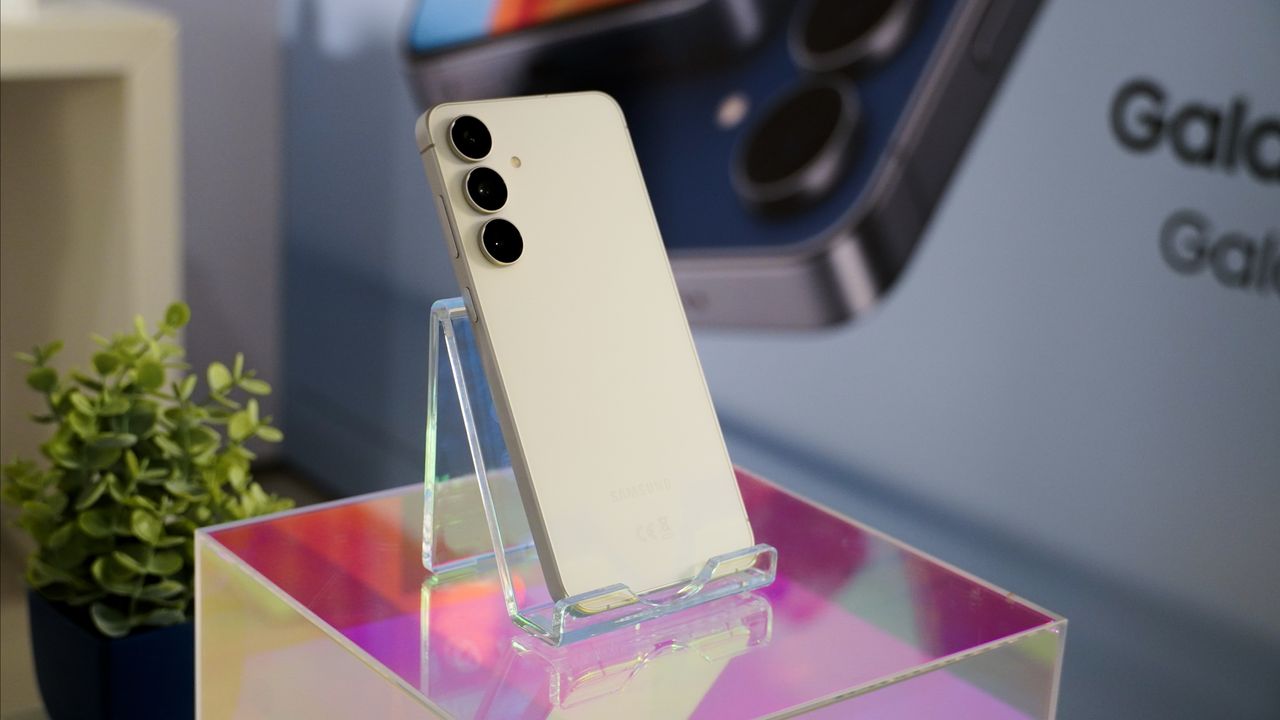
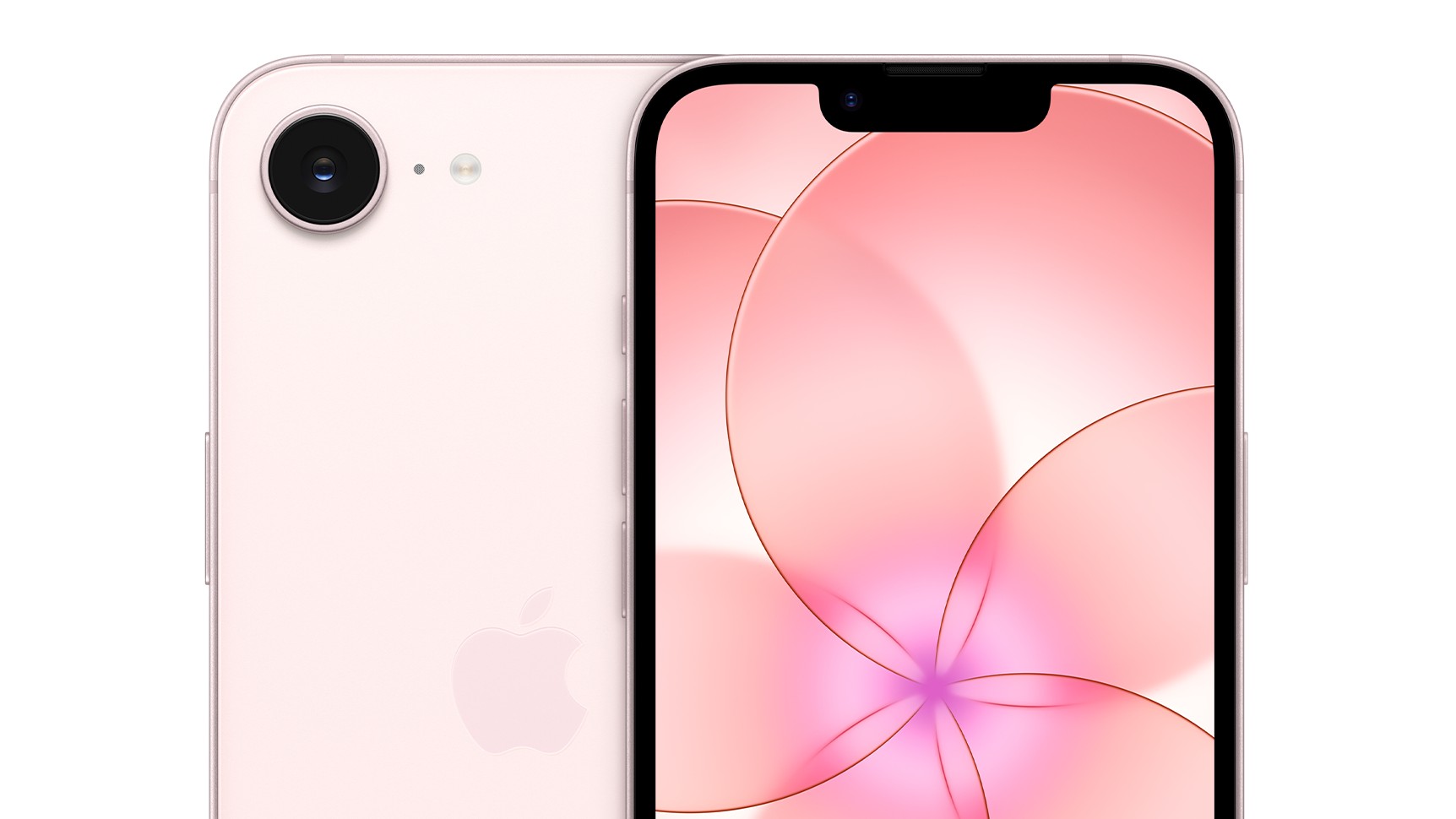
The designs of the iPhone 17e and Samsung Galaxy S25 FE really couldn't be much more different. Apple went with a simple, minimalist, and refined design, while Samsung opted for a heavier, larger chassis. These differences are reflected in the hardware, too, as the Galaxy S25 FE's larger footprint allows it to pack more cameras and a larger battery. At a glance, you'll notice that the iPhone 17e has a single rear camera, while the Galaxy S25 FE has three.
The materials are nearly identical, as both Apple and Samsung use an aluminum frame and glass back. Crucially, the iPhone 17e uses Apple's new Ceramic Shield 2 covering, introduced on flagships like the iPhone Air, which offers better scratch-resistance than its predecessor. Samsung offers Gorilla Glass Victus Plus, but it's not as good as thwarting nicks and scuffs. Both phones have IP68 certification against dust and water ingress.
As for the dimensions, the iPhone 17e is significantly more compact. Due to its smaller 6.1-inch display, the iPhone 17e is narrower and shorter than the Galaxy S25 FE, which is great for small phone fans. The Galaxy S25 FE is thinner than the iPhone 17e, measuring 7.4mm compared to 7.8mm, respectively. However, the iPhone 17e does win the weight battle by a wide margin, coming in at only 169 grams. The Samsung Galaxy S25 FE is much heavier at 190 grams and might be harder to hold due to the larger footprint.
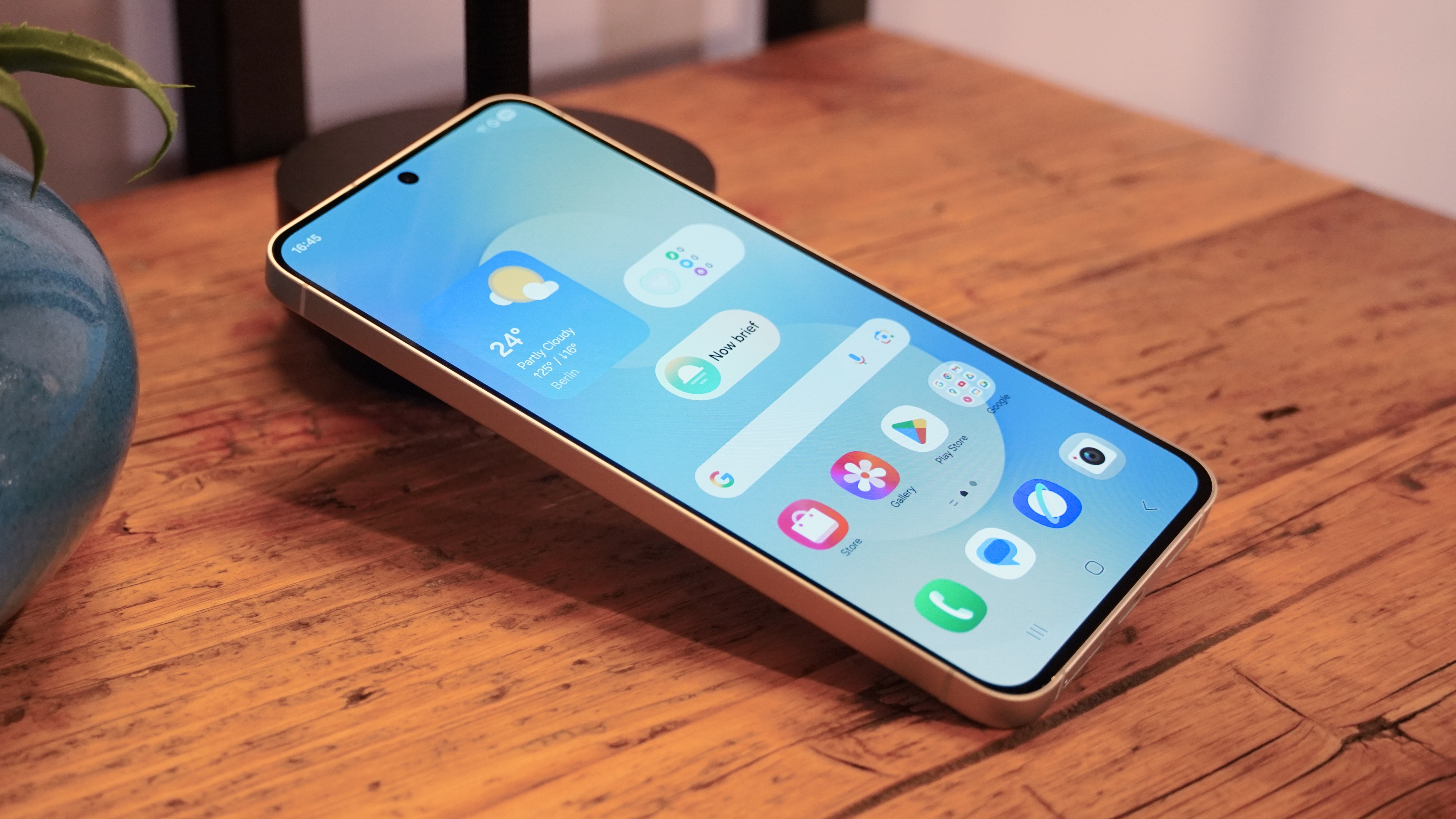
Both phones have bezels on the larger side, but the iPhone 17e has a large notch that cuts into the display. This notch houses the phone's Face ID hardware, but it looks dated compared to the Dynamic Island on newer iPhones or the hole-punch cutout on the Galaxy S25 FE.
The iPhone 17e's display is otherwise solid, as it's an OLED panel with a sharp 2532x1170-pixel resolution and a pixel density of 460 pixels per inch (ppi). The Galaxy S25 FE offers a similar OLED display with a 2340x1080 resolution, which translates to a pixel density of roughly 385 ppi. In simple terms, this means the iPhone 17e's display is sharper than the Galaxy S25 FE's screen. On the flip side, the Galaxy S25 FE has a more responsive panel, as it supports 120Hz refresh rates, while the iPhone 17e is still limited to 60Hz.
Of course, size is another consideration. There's a pretty big jump between the 6.1-inch iPhone 17e and the 6.7-inch Galaxy S25 FE screen sizes. I tend to prefer more compact handsets, but you'll have to consider the size difference based on your personal taste.
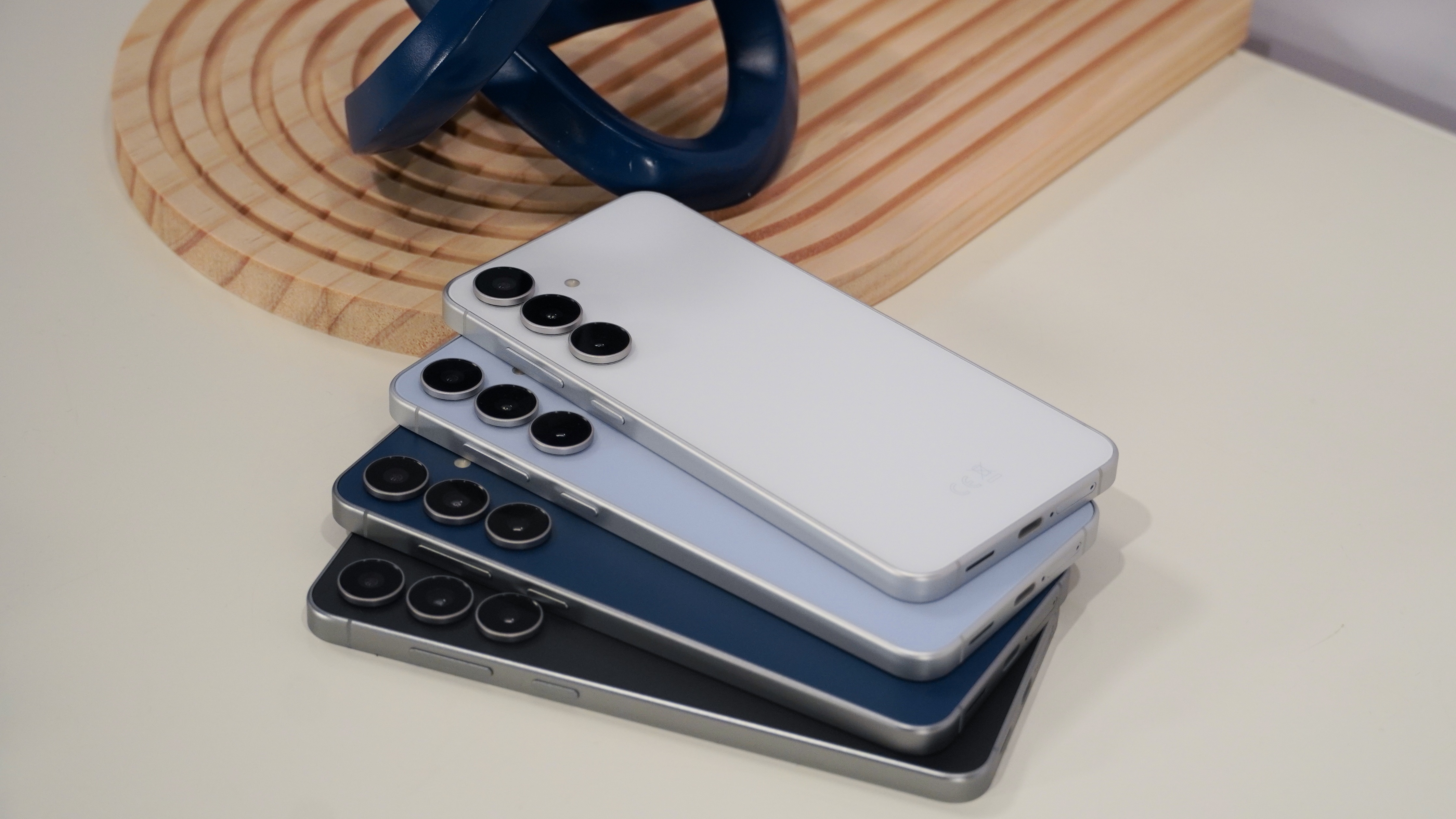
The iPhone 17e offers full MagSafe and Qi2 support with built-in magnets. The Galaxy S25 FE lacks this useful feature, but it does support fast wireless charging. Otherwise, both phones tend to feel more premium than the midrange price point might suggest. You won't find low-quality glass or plastic backs here — just high-end aluminum and Corning glass.
iPhone 17e vs. Samsung Galaxy S25 FE: Hardware and specs
Apple and Samsung are both using custom processors in their midrange phones that are generally considered a step down from flagship chips. Still, they're more than capable for daily use. Apple uses the A19 chip in the iPhone 17e — seemingly the same one as the base iPhone 17 — but there's a catch. It's a binned version with one fewer GPU core. The average user is unlikely ever to notice this, but it's worth pointing out.
The Galaxy S25 FE is powered by the Exynos 2400 mobile processor, which powers flagship Galaxy phones in some regions, with Qualcomm handling flagship chips in markets like North America. It's a chip fabricated on a 4nm process node and is slightly less advanced than the 3nm Apple A19 Pro. Again, impact on daily use will be minimal, if noticeable at all.
Both phones come with 8GB of memory and can handle basic AI tasks, though you can expect Galaxy AI and Gemini to be more robust than Apple Intelligence.
Category |
iPhone 17e |
Samsung Galaxy S25 FE |
|---|---|---|
Operating System |
iOS 26 |
Android 14, (Samsung One UI 8) |
Display |
6.1-inch Super Retina XDR OLED with notch, 1170 x 2532 resolution, 60Hz, 1200 nits peak brightness, Ceramic Shield 2 |
6.7-inch |
Processor |
Apple A19 |
Deca-core Exynos 2400 (4 nm) |
Connectivity |
Wi-Fi 6, Bluetooth 5.3, Emergency SOS via satellite |
Wi-Fi 6E, Bluetooth 5.4 |
RAM |
8GB |
8GB |
Storage |
256GB, 512GB |
128GB, 256GB, 512GB |
Rear cameras |
48MP wide camera |
12 MP f/2.2 (Ultra Wide) 50 MP f/1.8 (Wide) |
Front camera |
12MP |
12 MP f/2.2 |
Battery |
4,005mAh |
4,900mAh |
Charging |
Fast wired charging, 15W wireless MagSafe/Qi2 charging |
45W Super Fast Charging Fast Wireless Charging 2.0 Wireless PowerShare |
Durability |
Aluminum frame, glass back |
Aluminum frame, glass back |
IP rating |
IP68 |
IP68 |
Weight |
169g |
190g |
Dimensions |
146.7 x 71.5 x 7.8 mm |
161.3 x 76.6 x 7.4 mm |
Colors |
Black, White, Soft Pink |
Jetblack, Navy, Icyblue, White |
An appealing aspect of the iPhone 17e is that it comes with 256GB of base storage as standard. The $650 version of the Galaxy S25 FE comes with half the storage, so it's more expensive and offers less storage. To get a 256GB or 512GB model of the Galaxy S25 FE, you'll end up paying much more than the comparable iPhone 17e.
The Galaxy S25 FE has a larger 4,900mAh battery and supports up to 45W wired charging. Meanwhile, the iPhone 17e has a 4,005mAh capacity and supports the aforementioned MagSafe and Qi2.
iPhone 17e vs. Samsung Galaxy S25 FE: Cameras
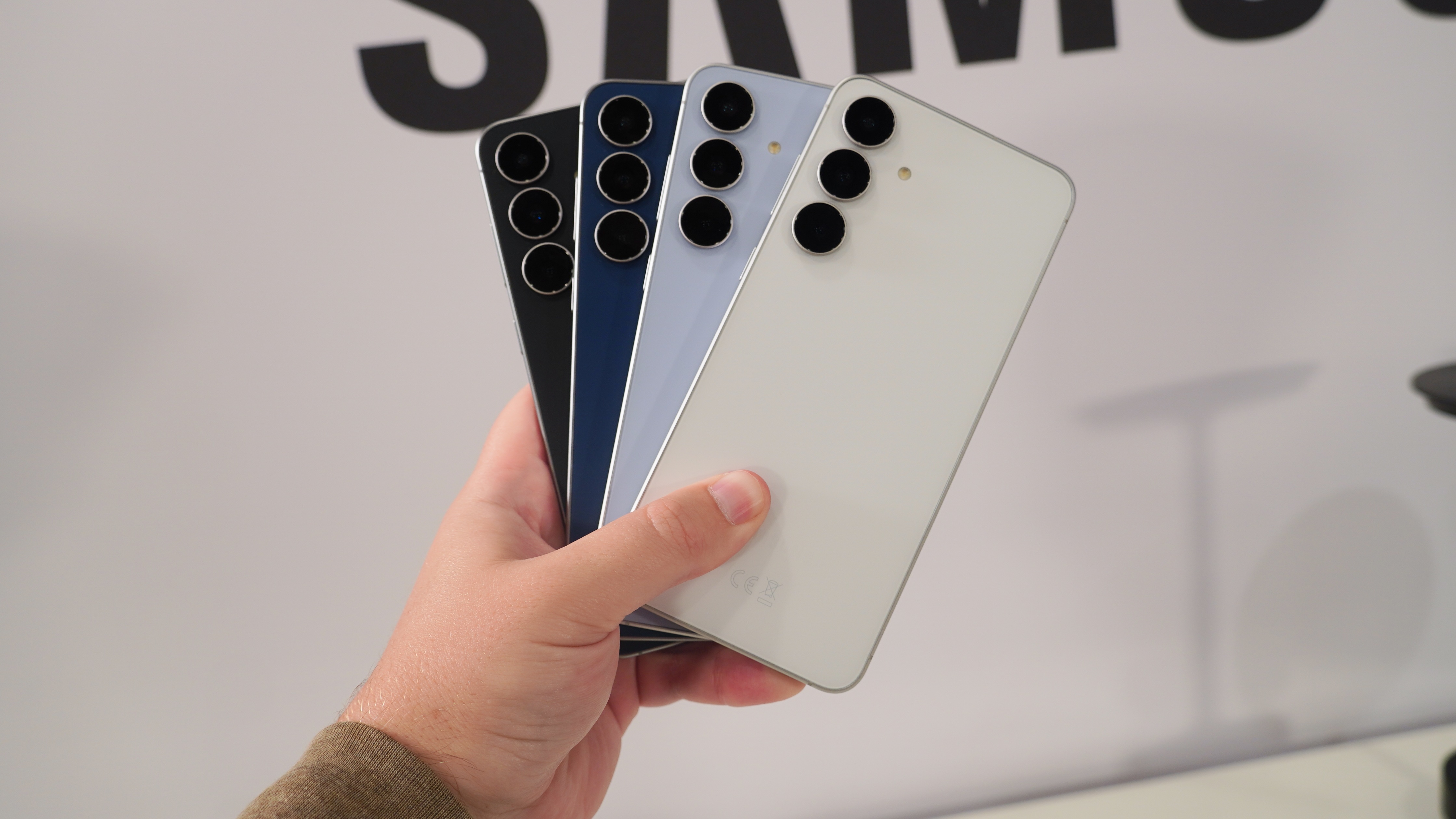
Finally, there are the cameras. Or camera, singular, in the case of the iPhone 17e's rear offering. It's hard to say how much you value a multi-camera system in a midrange phone, but there's no doubt the Galaxy S25 FE's triple-camera setup is more versatile. It offers a physical primary shooter, a telephoto zoom lens, and an ultrawide camera that can perform in any situation. The iPhone 17e's 48MP main camera is great for point-and-shoot shots, but beyond 2x sensor-crop zoom, it can't do more.
Samsung put a 50MP primary sensor on the Galaxy S25 FE, but the phone's secondary cameras are weaker. The 3x optical zoom telephoto lens is just 8MP, and the ultrawide isn't much sharper at 12MP. That said, you don't get these lenses at all on the iPhone 17e.
iPhone 17e vs. Samsung Galaxy S25 FE: Which should you buy?
If you're seeking the best-value phone at the most affordable price, and you don't care much about granular specs or features, the iPhone 17e wins. It has a capable Apple A19 processor and iOS 26 software packed into a thin, compact, and lightweight phone. With a versatile single 48MP main camera and MagSafe support, it covers all the basics for a casual user. Those who couldn't tell the difference between a 60Hz and a 120Hz display will love the iPhone 17e.
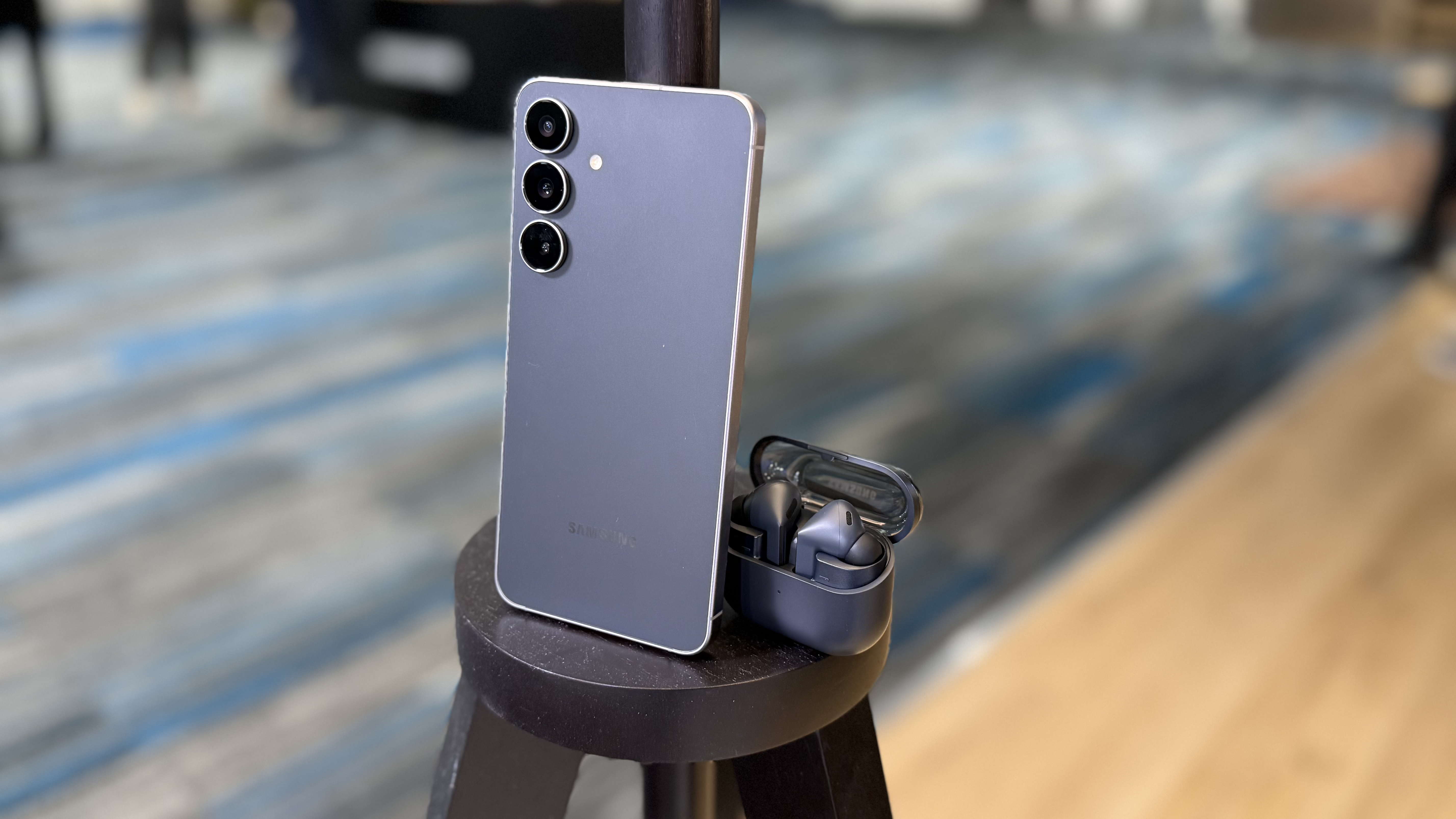
People with higher minimum expectations for what a smartphone should be in 2026 should absolutely upgrade to the Samsung Galaxy S25 FE. If you think a 60Hz display in this day and age is laughable, Samsung's midranger is for you. It has a high-quality display, a large battery capacity, and a triple-camera system. The iPhone 17e might have a fine primary shooter, but it can't match the versatility of the Galaxy S25 FE's camera offerings.
Really, you can't go wrong with either the iPhone 17e or the Galaxy S25 FE, but try to get the latter at a discount as it's midway through its release cycle.
The simple pick
If you want a lightweight, compact, or plain and simple smartphone, go with the iPhone 17e. It offers standout performance, reliable iOS software, and only the basics for a great price. You give up niceties like a a 120Hz display or multiple rear cameras, but users seeking just the essentials may not miss them.
Better, but not by enough
The Samsung Galaxy S25 FE is clearly better than the iPhone 17e in almost every way, but it's also more expensive. This model makes you consider stepping up to true flagships like the Galaxy S26 for a more polished experience. If you only have $650 to spend, this is a great phone, but you'll be tempted to step down to the iPhone 17e's price tier or step up to the Galaxy S26's class.