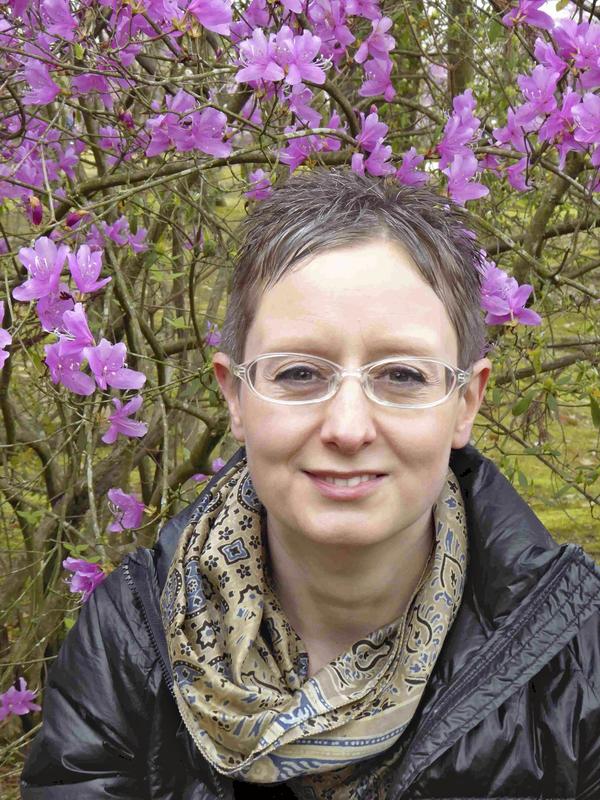
An international transcription project, which converts a handwritten cursive kuzushiji style into a modern-day typeface, is underway on literature written during the Edo period (1603-1868) on epidemic diseases, given the global expansion of novel coronavirus infections. The project is being undertaken by scholars and researchers, including those from Cambridge University in Britain.
The project ― titled "Tackling Pandemics in Early Modern Japan" ― will also cover woodblock-printed books that were circulated among commoners. They include "Ansei Korori Ryukoki," a book on the spread of cholera in which about 30,000 people were said to have died in Edo (present-day Tokyo) alone in 1858, and "Houso Kokoroegusa," a book describing the characteristics of smallpox.
These books include vivid descriptions, such as when the poor were given water burials in the sea off Shinagawa because the cremation process was not fast enough to keep up with the number of deaths caused by the epidemic. Other books that will be transcribed contain countermeasures against epidemics, including advice to avoid visiting the sick as much as possible.
These books are hard to understand because they were written in the kuzushiji style ― a difficult task, especially for foreign experts on Japanese history and literature. As a result, Laura Moretti, associate professor at Cambridge University of Britain, and others launched the project in June. Participants in the project include researchers from the National Museum of Japanese History in Sakura, Chiba Prefecture, in addition to about 35 scholars and researchers from various countries, including the United States and China.
Moretti said she became interested in Japan's early modern literature, which she said are "full of wit," when she came across "Nise Monogatari" (The Fake Tales of Ise) written in the Edo period as a parody of "Ise Monogatari" (The Tales of Ise), which were written in the Heian period (794-1185). She has studied at the University of Tokyo and has taught young researchers how to understand literature written in the kuzushiji style.
The transcripts will be released online around October when the project is completed, and are also being translated, making it possible for more international researches to make progress. Moretti expressed the hope that the people today will be encouraged to overcome the COVID-19 pandemic by knowing about the struggles of those in the Edo period.
Read more from The Japan News at https://japannews.yomiuri.co.jp/