International Women’s Day 2013 – women and health: in pictures
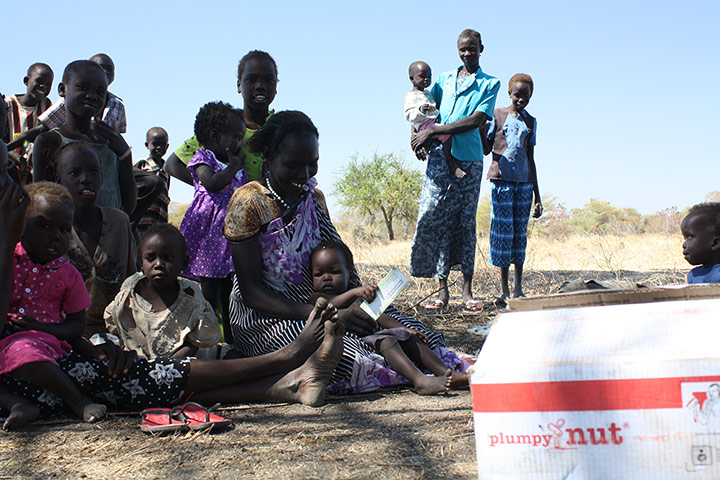
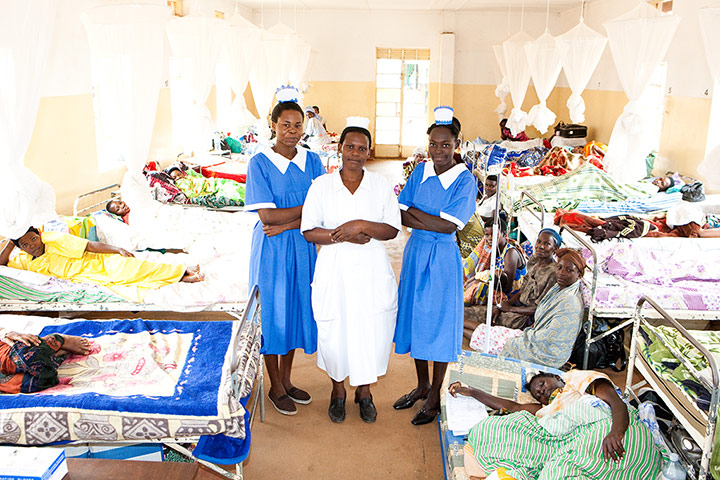
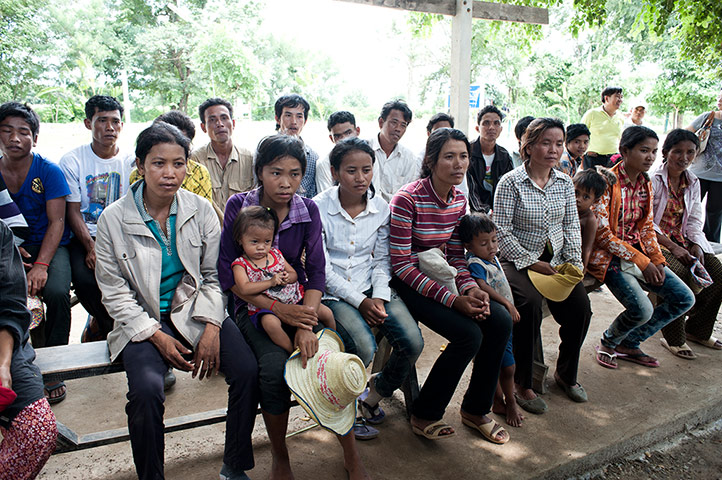
In a village outside Aweil, South Sudan, women gather at Malaria Consortium’s Community Outpatient Therapeutic Feeding programme with their children. Many of the women in Aweil are returnees to South Sudan following independence in 2011 and have endured extremely difficult conditions getting there: “Many have come from Khartoum and have been traveling for months, with inadequate food, safe drinking water and shelter, by the time they reach the camp,” explains Ruth Allan, Country Director of Malaria Consortium South Sudan.Photograph: Malaria ConsortiumNurses attend to a ward full of patients in Hoima Hospital, western Uganda, close to the border with the Democratic Republic of Congo.Photograph: Vicky Dawe/Malaria ConsortiumFemale migrant workers from Myanmar wait at the border check point with Thailand to renew their border passes to work in Thailand. Mobile and migrant workers in the region, including women and young children, are vulnerable to contracting malaria and often have difficulty in accessing health care.Photograph: Mimi Mollica/Malaria Consortium
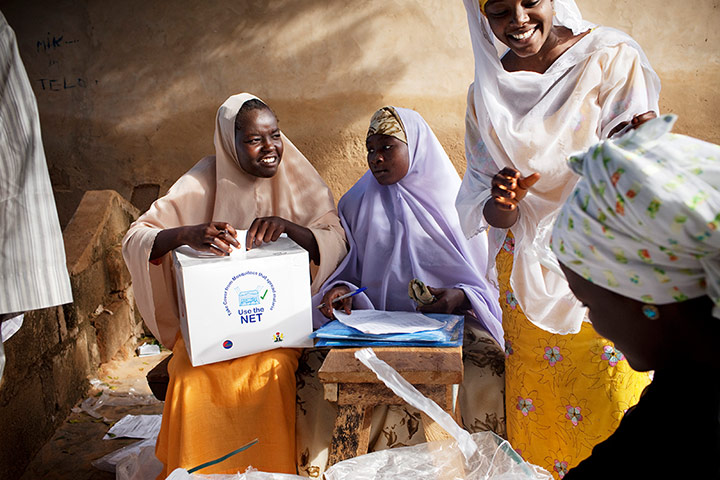
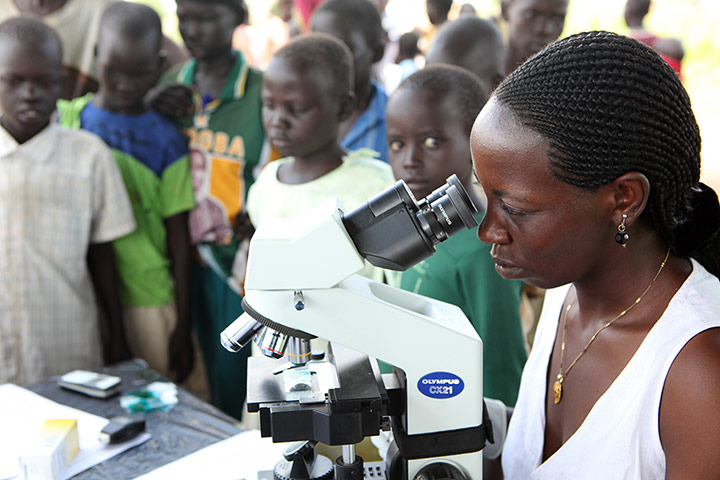
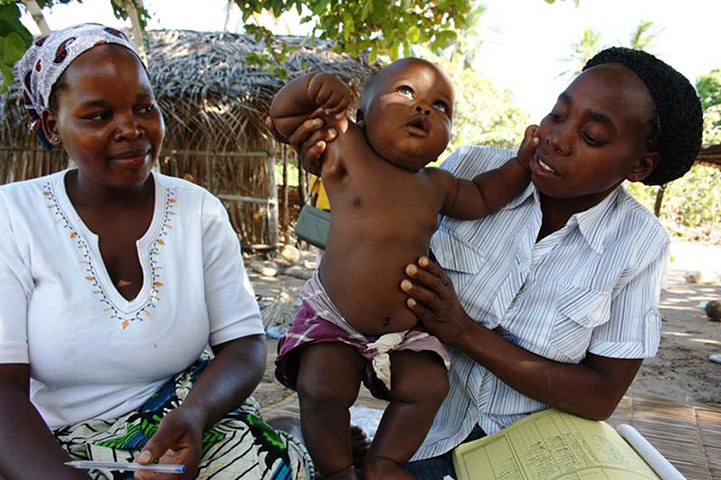
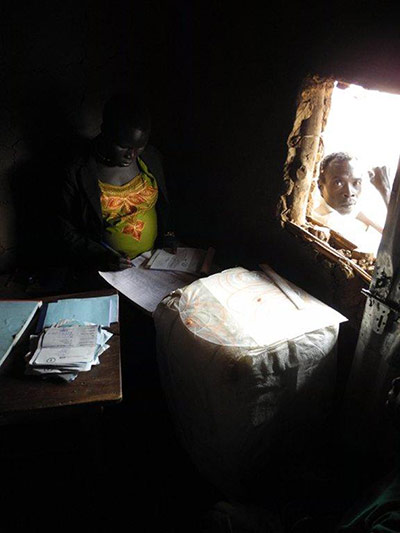
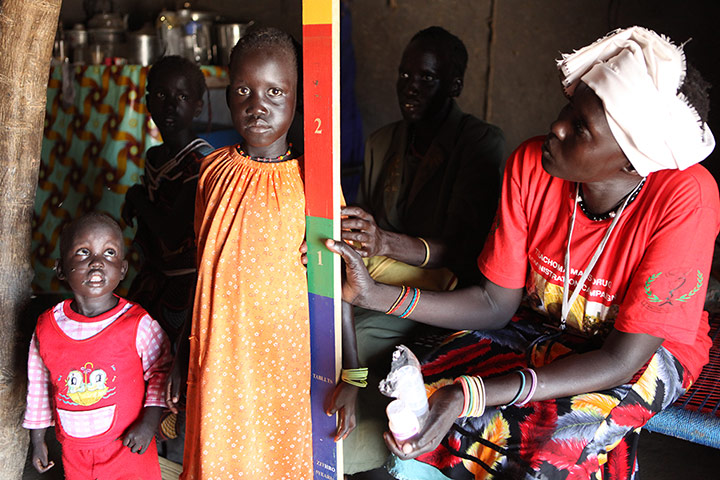
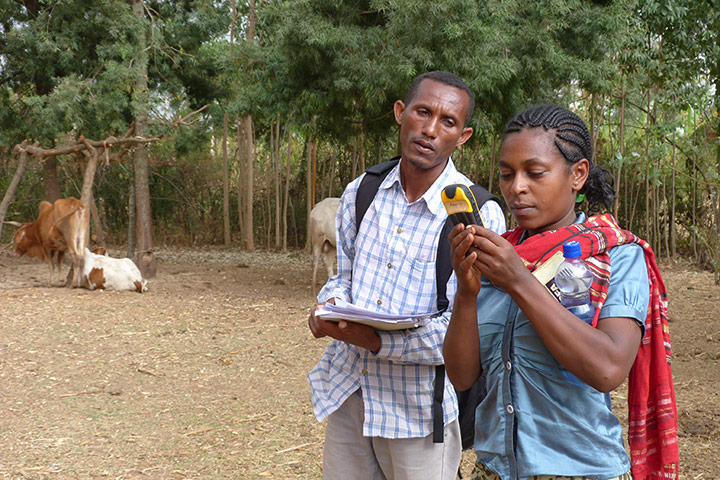
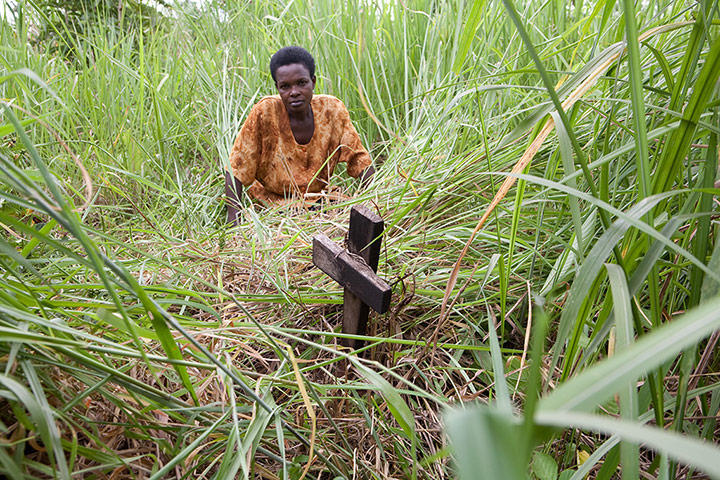
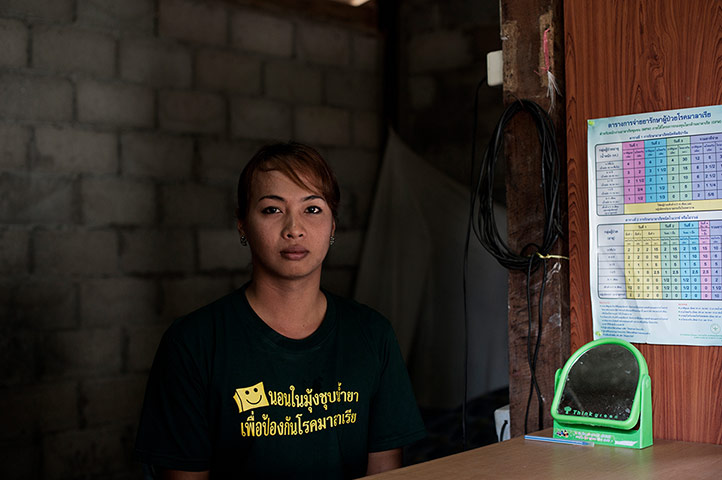
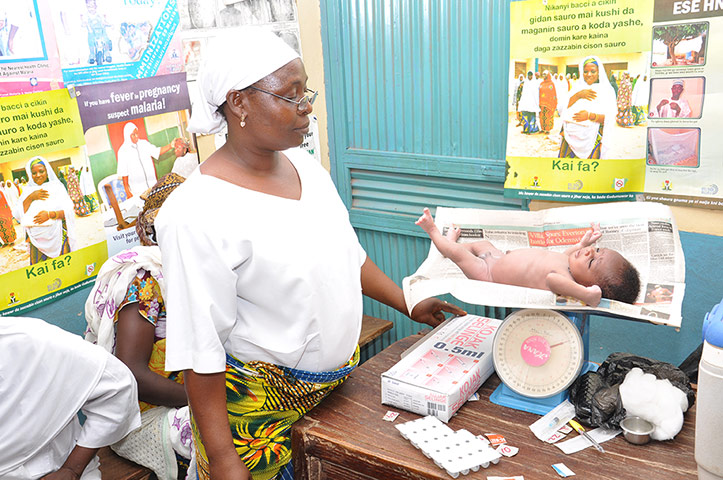
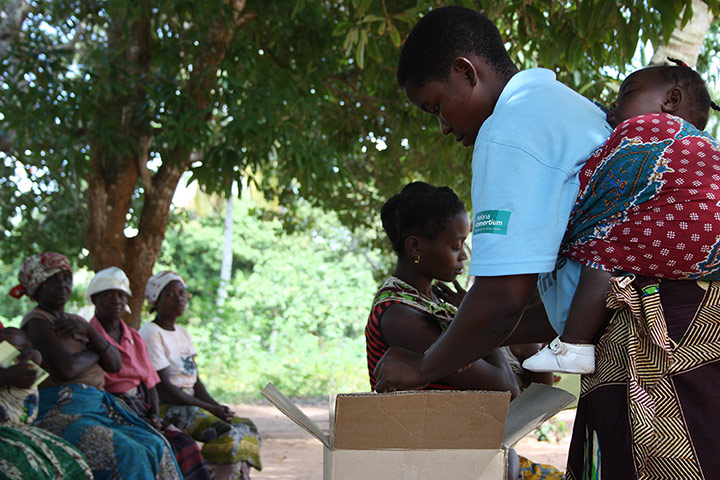
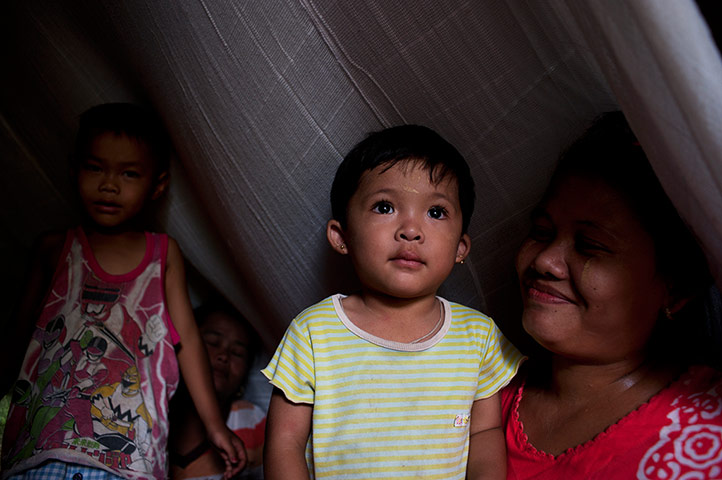
In Kano, Northern Nigeria, female staff of SuNMaP – Support to National Malaria Programme – a partnership programme led by Malaria Consortium and funded by DFID, prepare for a mass distribution of nets.Photograph: William Daniels/Malaria ConsortiumMalaria Consortium’s vector control officer examines urine and stool samples from children ages 5-15 years as part of a large scale survey funded by the US Agency for International Development (USAID) for two neglected tropical diseases - bilharzia and intestinal worms – in Mogori, South Sudan. These diseases are endemic across South Sudan, causing chronic illness among children and adults.Photograph: Jenn Warren/Malaria ConsortiumIn Inhambane province, central Mozambique, Cardocia Mangomane, a community Health worker examines Fidelo who recently suffered from malaria. Cardocia has received training from Malaria Consortium and the Department of Health and has been working as a community health worker now for almost two decades.Photograph: Ruth Ayisi/Malaria ConsortiumIn South Sudan, a woman sits at her net distribution post as a man waits outside to collect a long lasting insecticide treated net (LLIN). Malaria Consortium’s LLIN continuous distribution pilotin South Sudan, funded by UKAid and USAID, aims to provide a sustainable method of replacing LLINs in households where they may have been destroyed, damaged or lacking.Photograph: Malaria ConsortiumMalaria Consortium community drug distributor, Nyadiu Kwany, measures the height of six-year old Nyegara Rathduop Gatkek for preventative trachoma treatment in Ngop, Unity State, South Sudan. Malaria Consortium treated entire communities for the infectious eye disease trachoma, as part of the neglected tropical disease control programme funded by USAID.Photograph: Jenn Warren/Malaria ConsortiumIn Ethiopia, a female health extension worker and a member of Malaria Consortium’s survey team, map households using a hand-held GPS device. By identifying and mapping all the households in an area, the team can ensure that all households are reached during a malaria survey.Photograph: Malaria ConsortiumKiiza Roset sits by her child’s grave in Uganda. Many mothers across sub-Saharan Africa lose their children to preventable diseases - especially malaria, diarrhoea and pneumonia. Across sub-Saharan Africa a child dies every minute from malaria.Photograph: Vicky Dawe/Malaria ConsortiumAhwat Masarath at her malaria post in Thailand, Chantaburi province, near the border with Cambodia. Identifying and treating people suffering from malaria in the region is critical to control the spread of resistance to the best known anti-malarial drug – artemisinin. Find out more in this Q&APhotograph: Mimi Mollica/Malaria ConsortiumA female nurse at a clinic in Minna, in the northern state of Niger in Nigeria, weighs an infant on the scales.Photograph: Daniel Peters/Malaria ConsortiumIn Massinga, Mozambique, a community health worker with her child strapped to her back prepares to carry out rapid diagnostic tests for malaria for community members.Photograph: Ruth Ayisi/Malaria ConsortiumOn a rubber plantation in Thailand, a migrant worker from Myanmar and her children prepare to sleep under a long lasting insecticide treated net. Photograph: Ruth Ayisi/Malaria Consortium
Sign up to read this article
Read news from 100's of titles, curated specifically for you.