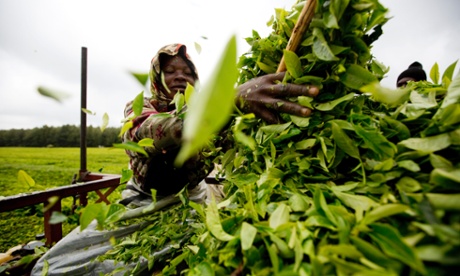
With an estimated 165m cups of tea consumed in the UK on a daily basis, it would be easy to think that every day is International Tea Day. However, since 2005, International Tea Day has officially been observed on 15 December, giving us an opportunity to reflect on the impact of an industry that millions of farmers and workers across the globe depend on for their livelihood.
The tea sector faces many challenges: unsustainably low prices and wages, the undervaluing of tea as a commodity and changing climate patterns that impact on yields, to name just a few. Simply put, tea is too cheap and not enough value goes back to the farmers and workers who depend on it for their living. It’s an issue that the whole industry needs to tackle together, and one that Fairtrade, and the Ethical Tea Partnership - which brings together tea producers, tea companies, certification schemes including Fairtrade, NGOs and others in the tea industry - are working to address, so that the long-term future of the tea industry can be more sustainable.
Fairtrade’s work in the tea sector aims to enable producers to have more control over their livelihoods. Certified producers receive the Fairtrade Minimum Price for their tea sales as well as the Fairtrade Premium, an extra sum to invest in their communities and businesses as they choose. For smallholder tea farmers, Fairtrade can also open up opportunities to develop knowledge in good agricultural practices, income diversification and climate change adaptation. For workers on tea plantations, Fairtrade standards aim to ensure decent working conditions and the protection of workers’ rights.
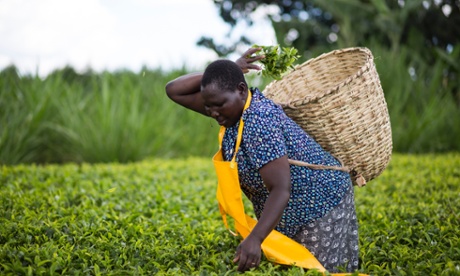
There are an estimated 285,900 people involved in Fairtrade tea production as smallholder farmers or as workers on Fairtrade certified tea plantations. Kenya is one of the largest exporters of tea to the UK and has 117,000 of these producers alone. Sireet Outgrowers Empowerment Project Company (Sireet OEP), a small producer organisation in the Nandi Hills region of Kenya, has been Fairtrade certified since 2006 and has been able to implement changes that have brought wide-reaching benefits for its members and their communities.
Victor Biwot, operations manager of Sireet OEP said: “What Fairtrade has done is it has made Sireet OEP become an organisation that is relevant to the needs of its members. For example, issues of good agricultural practices, that is what we are sharing with farmers every other day, improve the husbandry activities on their tea which improve the environment.”
Sireet OEP is forward-thinking on issues including gender equality, business investments and adapting to climate change. Since Fairtrade certification, the membership of women farmers has gone up from 2.7% to 24%. Investing in the Fairtrade Premium to support the purchase of transport trucks and its own processing factory has enabled the organisation to move up the value chain and create a sustainable model of investment. The dividends from the 12.8% share of the factory purchased by the premium are reallocated into the premium fund each year, to be continually invested in social and environmental projects.
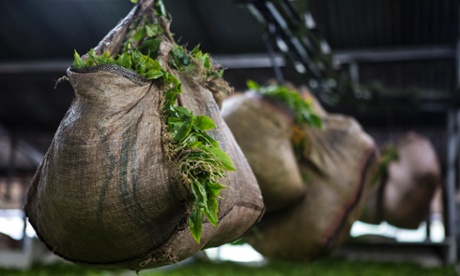
These social projects are chosen by their communities and include a range of initiatives, from school bursaries to healthcare facilities and water tanks. These community investments not only relieve the immediate burdens but can also have a positive impact on household income of farmers.
For example, Teresa Kurgat is a tea farmer and has benefited from a water tank in her community built with premium money. As she no longer has to travel long distances to collect water, she now has more time in her day to run her small business, a local shop. With easy access to water, her cows are now producing more milk and she is able to grow vegetables during the dry season. All of these have impacted on her food security and the income of the household.
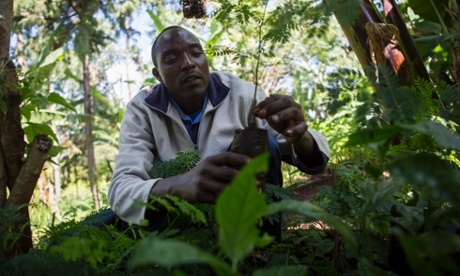
Fairtrade has also opened up opportunities for Sireet to work with different partners, such as the Cafédirect Producers’ Foundation and Vi Agroforestry, to implement climate change adaptation and income diversification projects. Fairtrade Premium has been used to fund the extension of some of these initiatives, such as establishing tree nurseries to help with soil fertility and farmer training sessions in implementing income diversity through kitchen gardens and bee keeping.
Fairtrade also works with certified plantations to help bring improvements to the lives of workers on tea estates. A long-term study in Malawi by the University of Greenwich and the Fairtrade Foundation found that at Satemwa tea estate workers recognised an improvement in relationships between workers and management since certification, with the Fairtrade Standards having a positive influence on working conditions such as improved maternity leave, other leave entitlements, protective clothing and overtime.
Workers on Fairtrade certified estates also benefit from Fairtrade Premium. Workers choose how the premium money is spent themselves, through a committee of elected worker representatives, putting the control in their hands to invest in projects that they feel will improve their lives.
At the Kibena Tea Estate in Tanzania, premium money has been invested in projects that can ease the burden on household incomes and improve the social atmosphere on the estate. This includes bursaries for school fees, loans to pay for new tin roofing for their homes, onsite sports teams and the construction of school, health care and recreational facilities.

On average, Fairtrade certified tea producers sell less than 10% of their tea on Fairtrade terms, but it is striking from these examples how even a small proportion of Fairtrade sales can make a positive difference. If more of those 165 million cups of tea we drink everyday in the UK were Fairtrade, then more farmers and workers would have the opportunity to build a better future for their families and communities, despite the challenges they face.
View some UK tea facts here
More from the Fairtrade partner zone:
- Fairtrade Access Fund offers up-front finance to farmers who need it most
- Reflections of a coffee farmer: how Fairtrade changes lives
- Sustainable procurement at the 2014 Commonwealth Games
Content on this page is paid for and provided by Fairtrade Foundation, sponsor of the supply chain hub