International Literacy Week: Women at school in Afghanistan
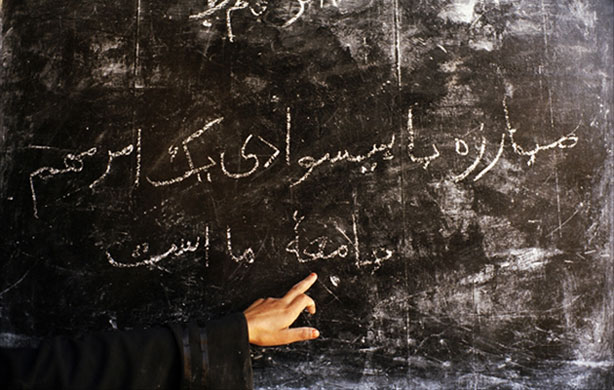
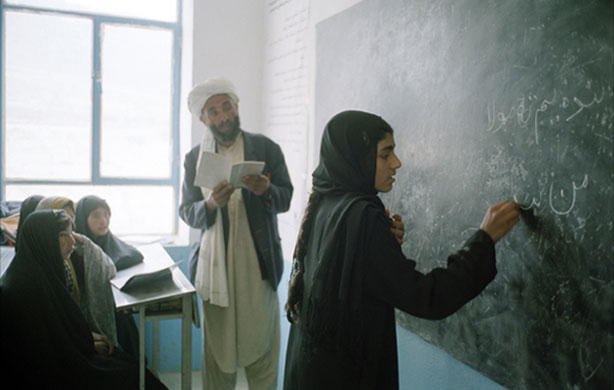
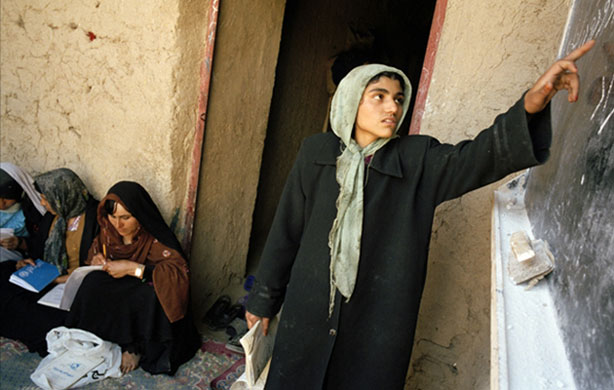
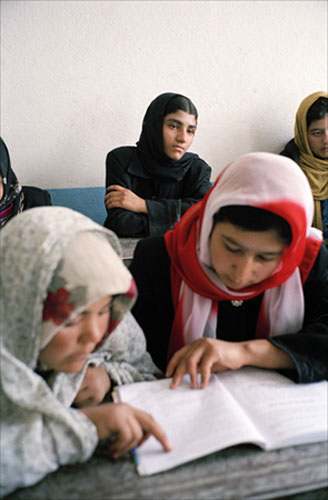
Worldwide, 776 million adults lack literacy skills. In rural Afghanistan, around 90 per cent of women and 60 per cent of men are illiteratePhotograph: Felicia Webb/Christian AidMost teachers in Afghanistan are male and traditionally many families do not allow wives or daughters to be taught by a member of the opposite sexPhotograph: Felicia Webb/Christian AidUnder Taliban rule (1996-2001) it was illegal and a crime punishable by death for women to learn to read and write. The Taliban held that women’s education was forbidden in the Qur'anPhotograph: Felicia Webb/Christian Aid
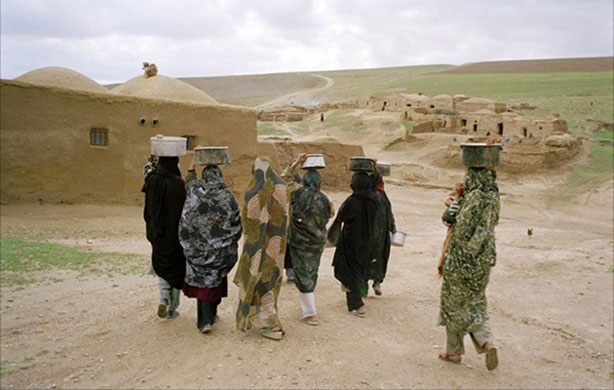
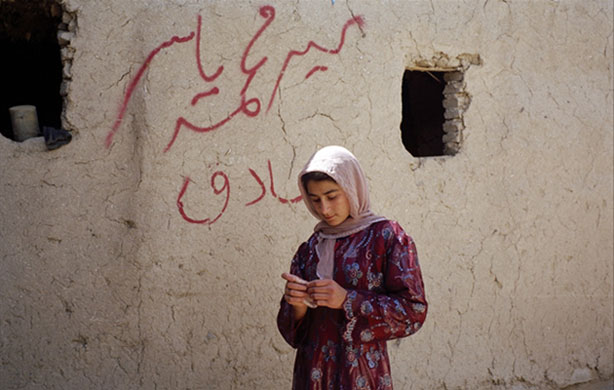
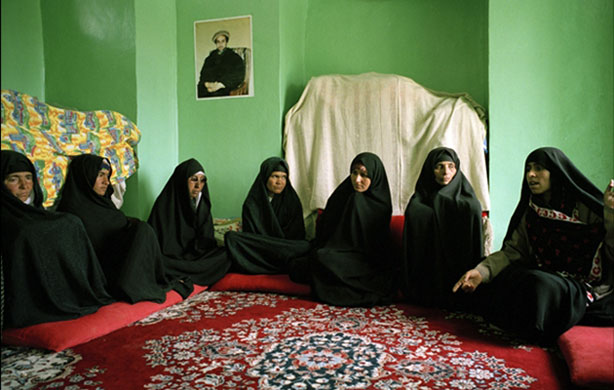
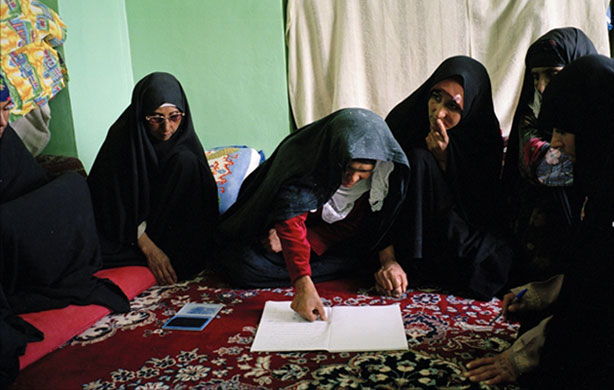
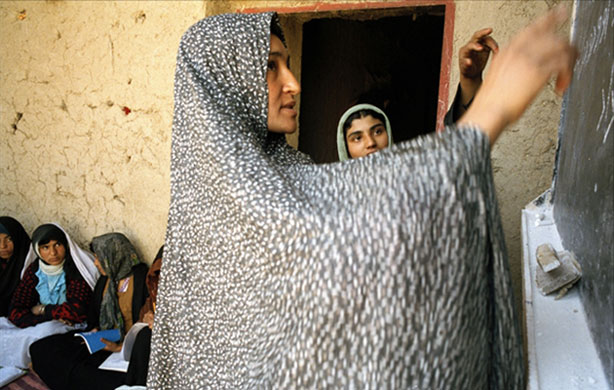
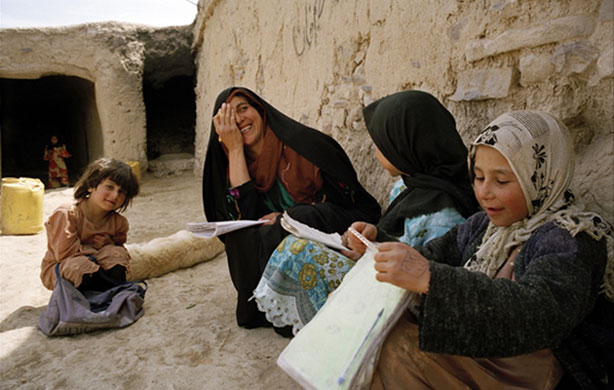
Afghanistan is the poorest country in the world outside Africa. Many families are too poor to send all their children to school, and it is usually the girls who are kept at home to help. Poverty also causes girls – like 14-year old Najibe above – to be taken out of school to be married, as poor families so desperately need the dowry paid by the groom’s familyPhotograph: Felicia Webb/Christian AidBut things are slowly changing. Seventeen-year-old Zainab not only attends school in the morning, but also teaches literacy to older women in her village during the afternoonsPhotograph: Felicia Webb/Christian AidZainab is supported by the community ‘shura’ or village council, set up with help from a Christian Aid partner. This all female democratically elected council is extremely unusual in a country where most shura are male and dominated by traditional elders or powerful local families Photograph: Felicia Webb/Christian AidMost of the women in the shura cannot read or write and use their thumb print instead of a signature. The adult literacy classes they have helped to set up will ensure that future generations are empowered through better educationPhotograph: Felicia Webb/Christian AidHere, a young woman learns to read and write in a makeshift classroom outside a village house. To be able to read the instructions on a medicine bottle or the sign on a road side will make a big difference to her and her family’s lives. One illiterate villager said: "illiterate people may as well be blind".Photograph: Felicia Webb/Christian AidSa’adgul, the head of the female shura, sits with her daughters who are doing their homework. She said: “When there’s a problem I ask people to gather and discuss it. I also solve family conflicts and visit those who are sick. When I became a member of the shura I thought I should at least be able to write my name and so – with thanks to the adult literacy classes – I started practising.”Photograph: Felicia Webb/Christian AidToday in Afghanistan there remain many barriers to female education, including entrenched social opposition, lack of educational institutions and extreme poverty. Christian Aid is working with local Afghan organisations to challenge stereotypes and help families escape poverty, giving girls and women an opportunity for an education, and a better chance in lifePhotograph: Felicia Webb/Christian Aid
Sign up to read this article
Read news from 100’s of titles, curated specifically for you.