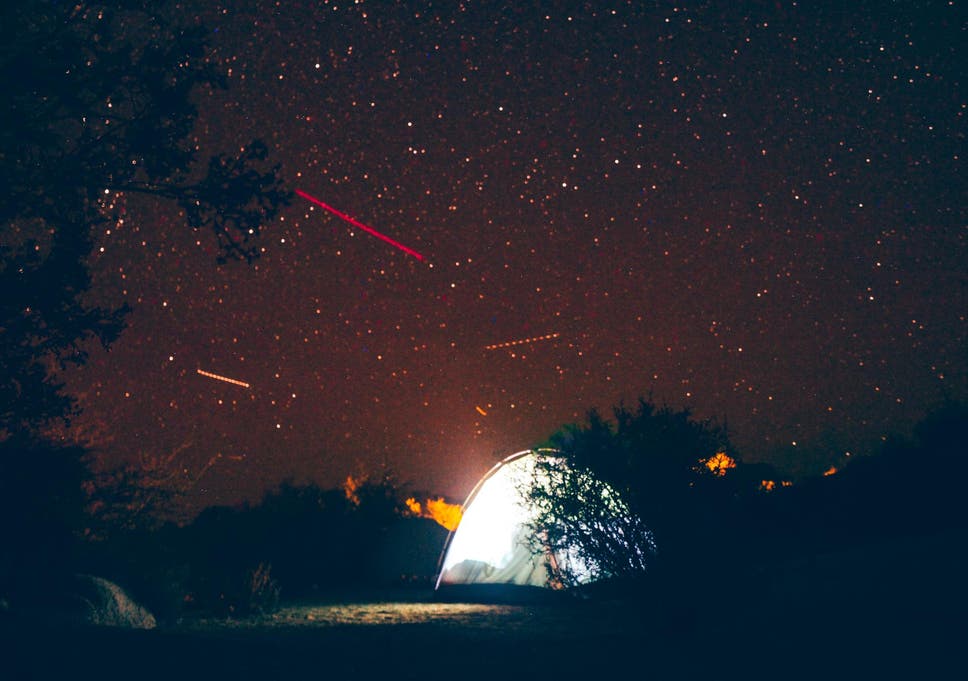
Founded in California in 1973, International Astronomy Day on 11 May was created to encourage people to stop for a moment and appreciate the wonders of the galaxy.
Thanks to light pollution, the chances are you won’t be able to see much in the middle of a city but you could head an International Dark Sky Park. These specially designated areas have particularly good star-gazing qualities, and there are dozens across the world.
Here are a few of the best.
Joshua Tree National Park, California, US
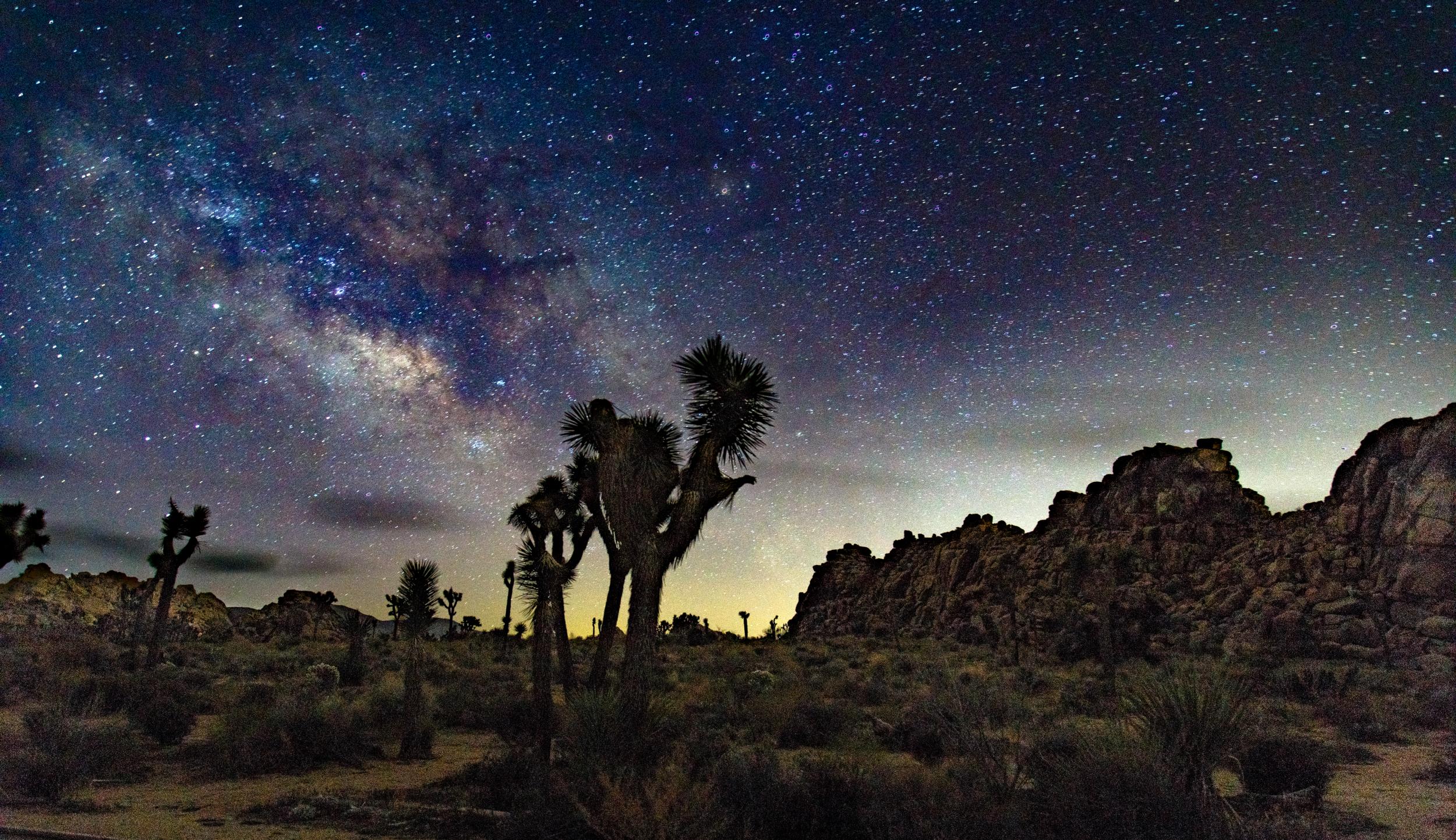
Joshua Tree National Park has long been a must-visit for stargazers thanks to its expansive landscape and lack of light pollution. Visitors can camp out at the park under a blanket of twinkling stars, and many visit during the summer when there’s a good chance of spotting the Milky Way.
Bodmin Moor, Cornwall, UK
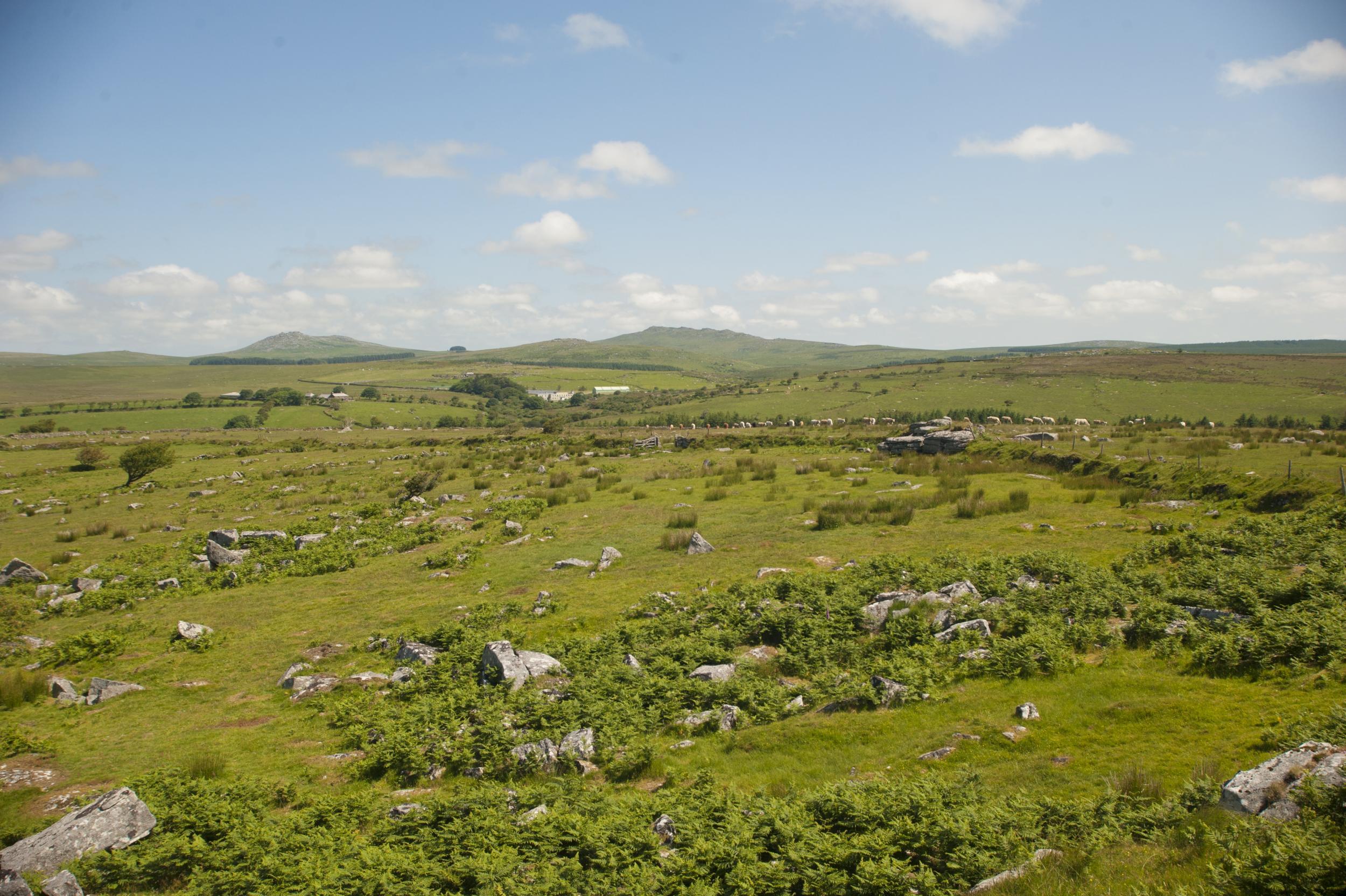
Bodmin Moor is a designated Area of Outstanding Natural Beauty, which means it enjoys protections against most large-scale development that would bring new lighting to the area. As a result, it affords visitors spectacular views of the night sky.
Ballycroy National Park, Ireland
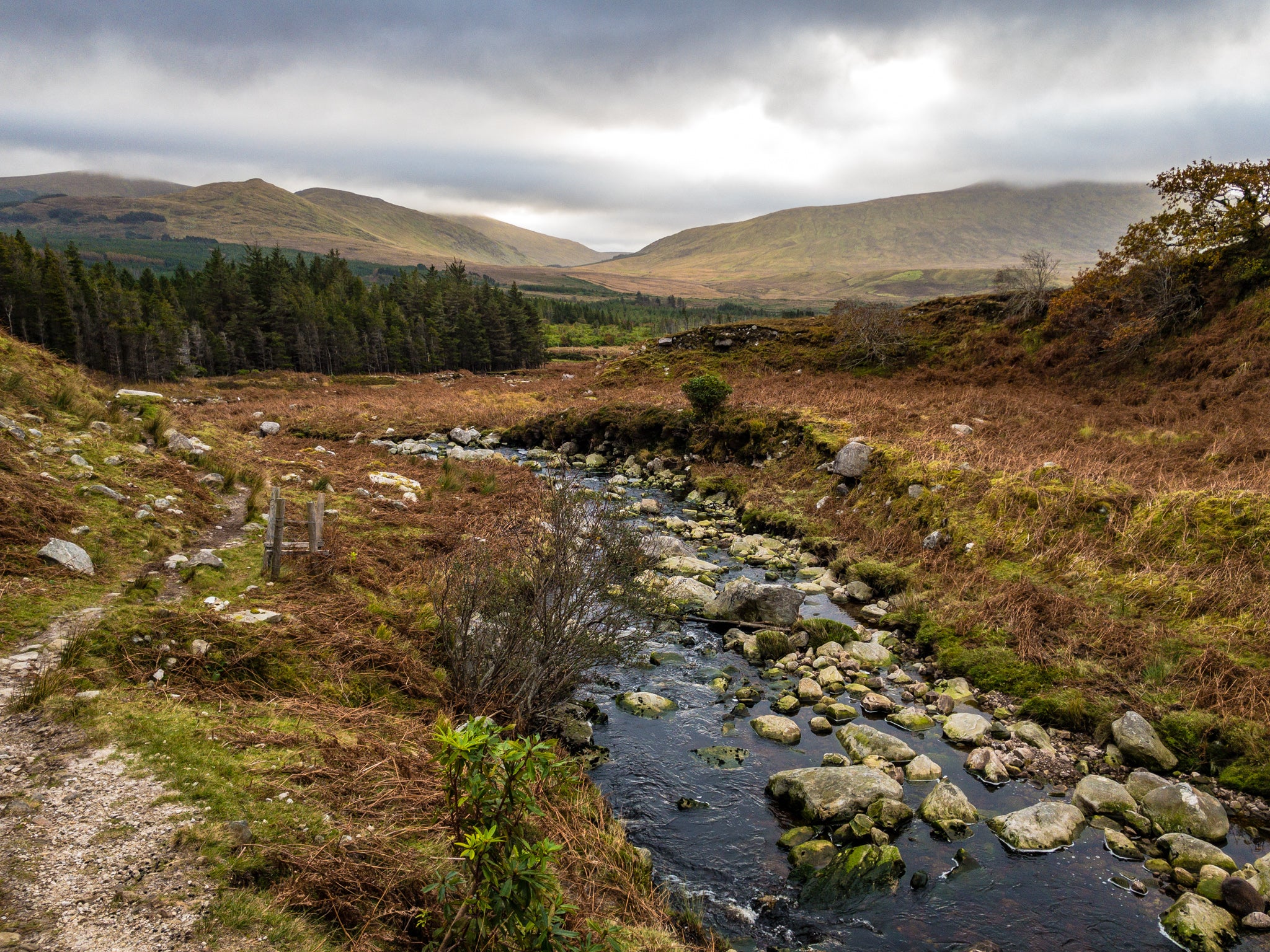
Ballycroy National Park in Ireland's County Mayo is one of the largest expanses of peatland in Europe, and its position near the Atlantic coast helps it remain very dark at night: perfect for seeing the stars.
Black Canyon of the Gunnison National Park, Colorado, US
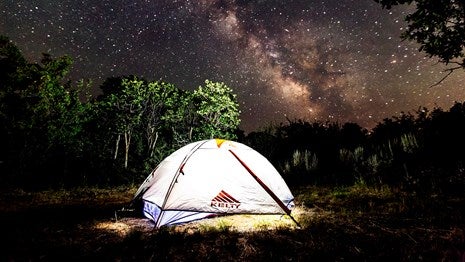
This canyon sits on the edge of open spaces shared by western Colorado and southeastern Utah, encountering very little light pollution. The park offers night sky viewing opportunities throughout the year, with rangers and local astronomers presenting evening talks, as well as a dedicated astronomy festival taking place in June.
Warrumbungle National Park, New South Wales, Australia
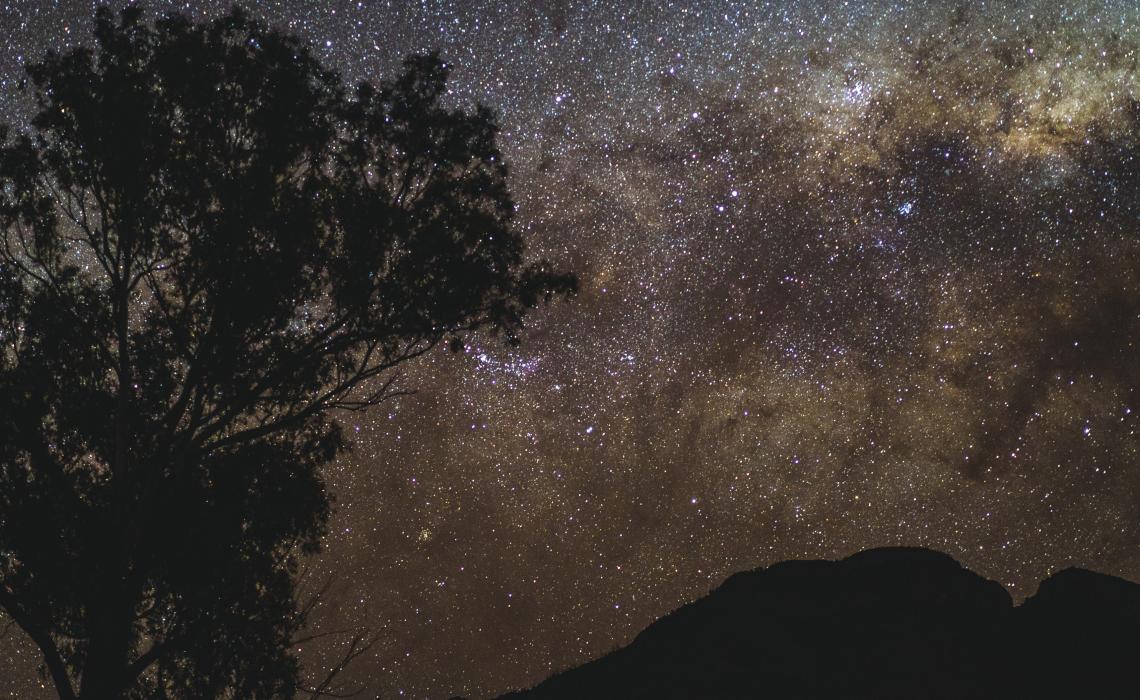
In addition to its spectacular daytime vistas of the Warrumbungle Mountain Range, this park has long been known for the quality of its dark night skies and is home to the country’s largest telescope. You can visit the observatory, or simply enjoy the skies outside.
Death Valley National Park, California, US
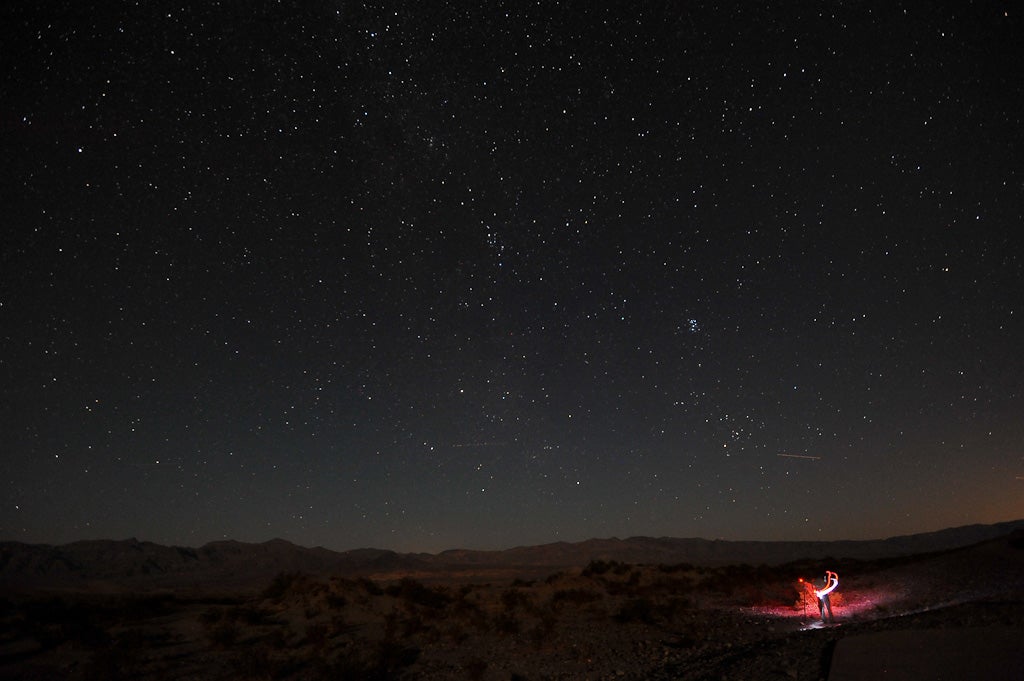
America’s National Park Service has taken measures to dramatically minimise light pollution in Death Valley and the location of the park, away from the major cities, enables unobstructed views of the night sky.
Zselic National Landscape Protection Area, Hungary
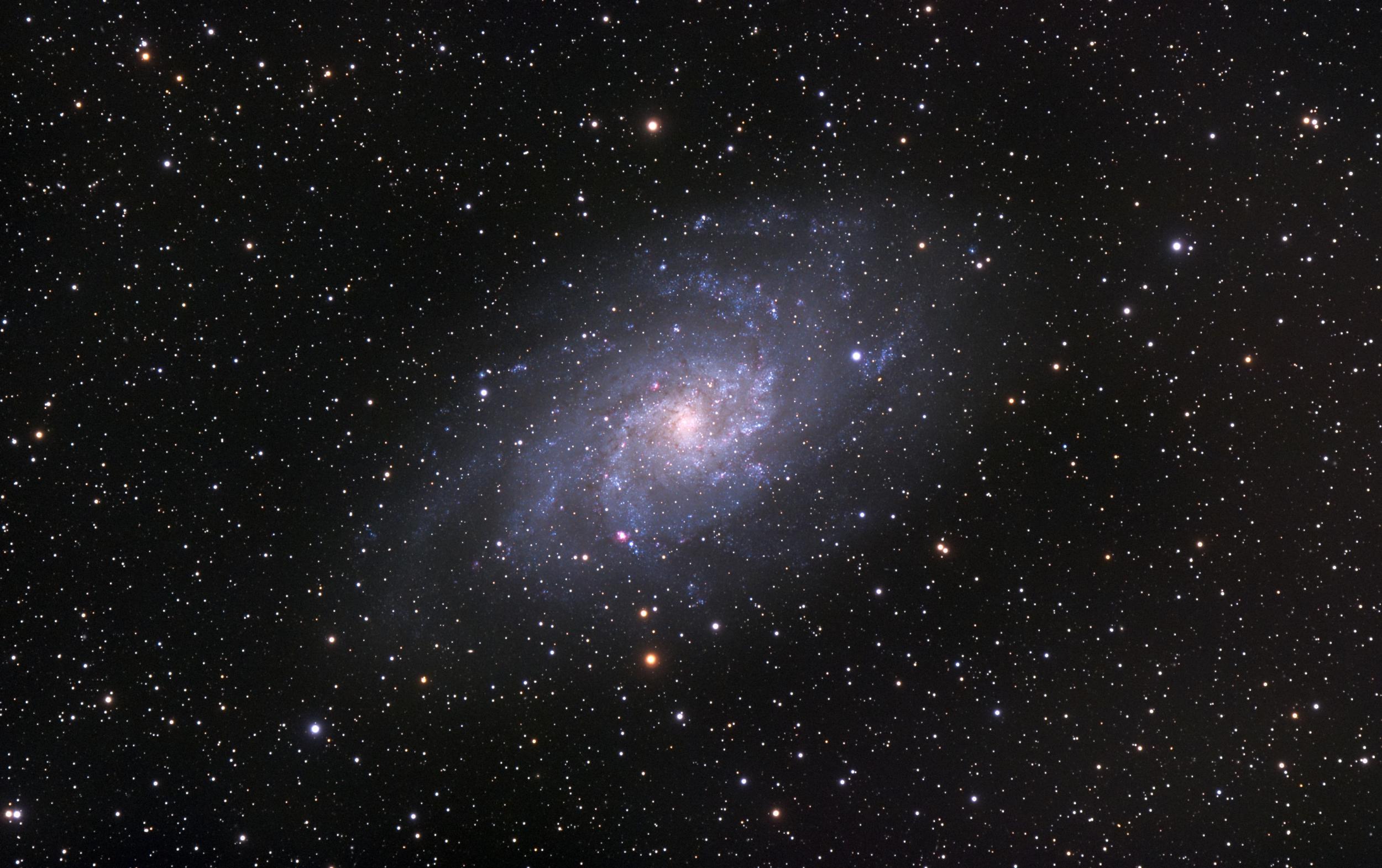
Zselic is one of the best places with close to unaltered dark night skies in Hungary. The Triangulum Galaxy can be seen with the naked eye on clear nights, and the zodiacal light is often visible in spring and autumn.
Winklmoosalm, Germany
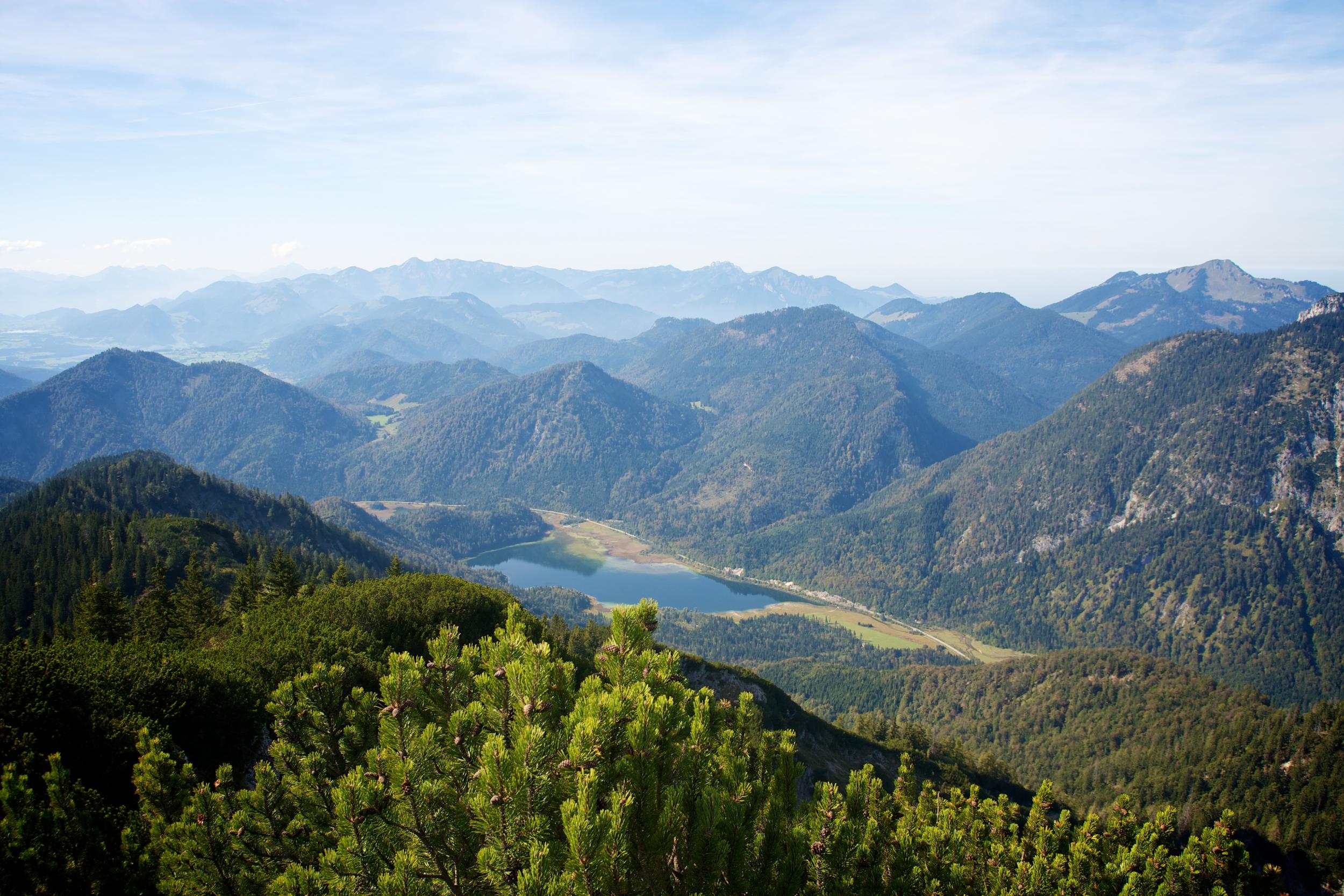
The Winklmoosalm is a privately held 79-hectare site in the Chiemgauer Alps of in Bavaria. Visitors can enjoy unobstructed, 360-degree views of the night sky largely unspoiled by light pollution, and there are weekly nighttime astronomy events led by trained local staff.
Lauwersmeer National Park, Netherlands
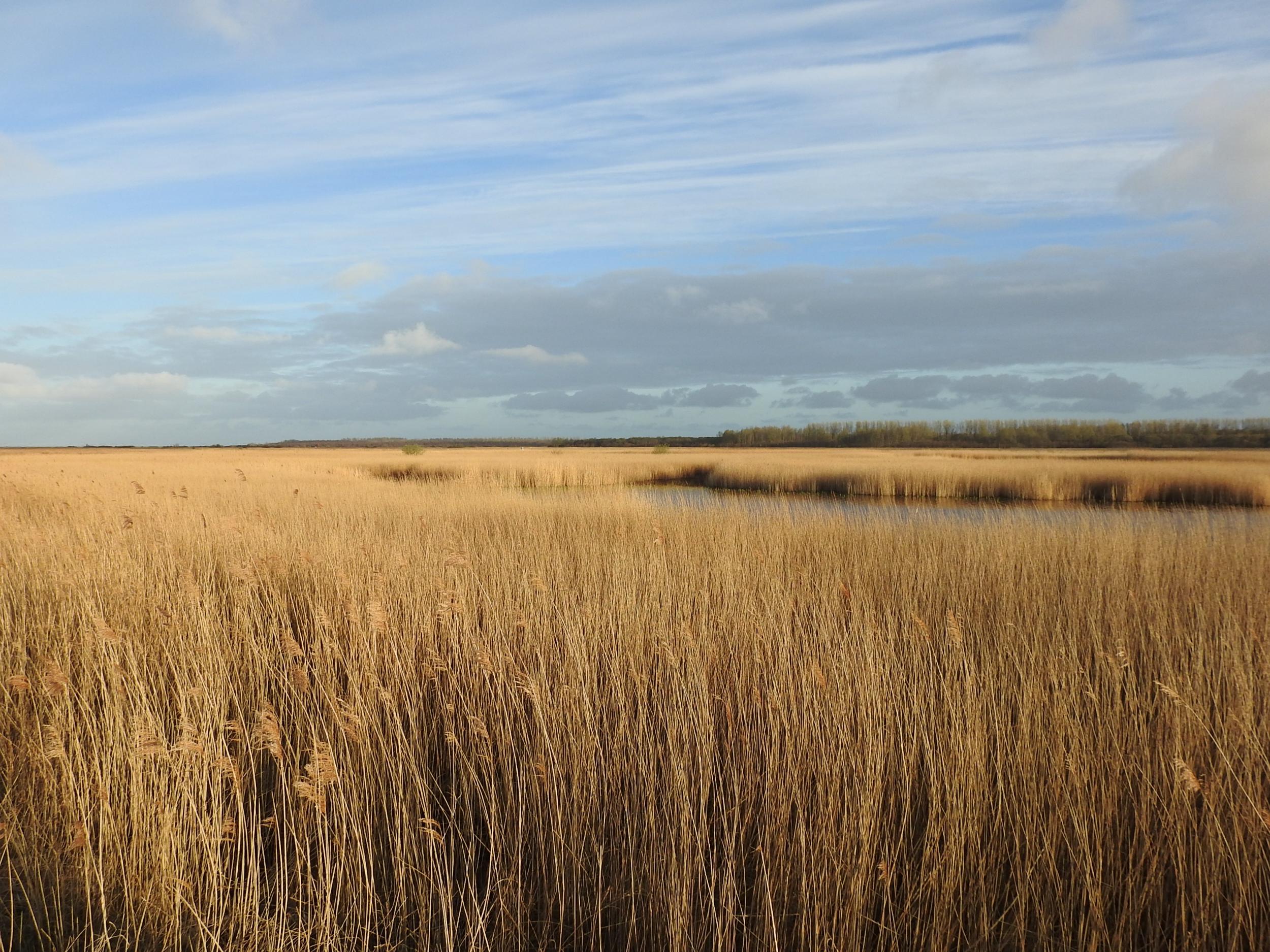
Lauwersmeer National Park is in the northern Dutch provinces of Friesland and Groningen, on reclaimed land that used to be underwater. As well as attracting a variety of wildlife, the park is also a small oasis of relative darkness at the edge of a very light-polluted country.
Iriomote-Ishigaki National Park, Japan
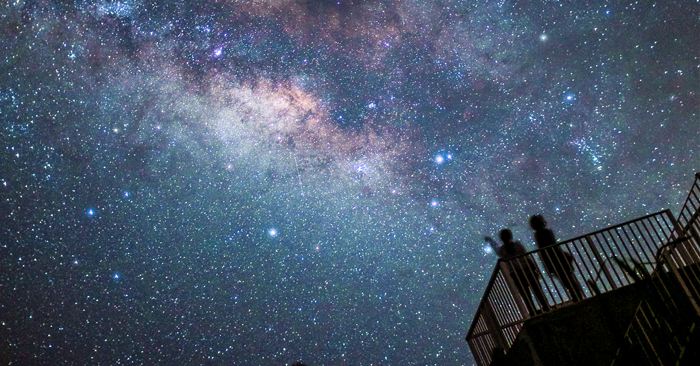
Iriomote-Ishigaki National Park is within the Yaeyama Islands of the East China Sea, about 270 kilometres (168 miles) east of Taiwan. Stretched over several islands, there are plenty of opportunities to find a spot for looking at the sky, even taking into account the nearby Ishigaki City.
Bassegoda Park, Spain
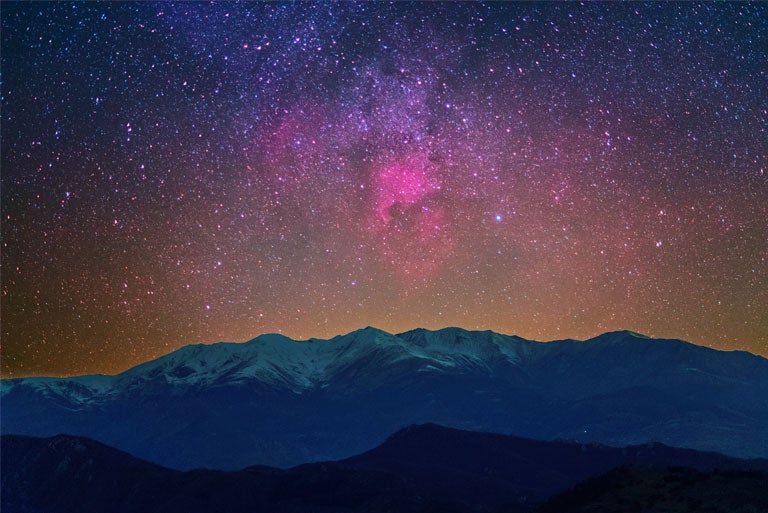
In recent years, locals in this part of Spain have started promoting astrotourism and visitors now come from around Catalonia and beyond to take part in stargazing principally in Bassegoda Park. Other popular spots within the area to see the night skies include El Casalot, El Coll de la Creu, El Pla de la Bateria and El Pla de la Teularia.