
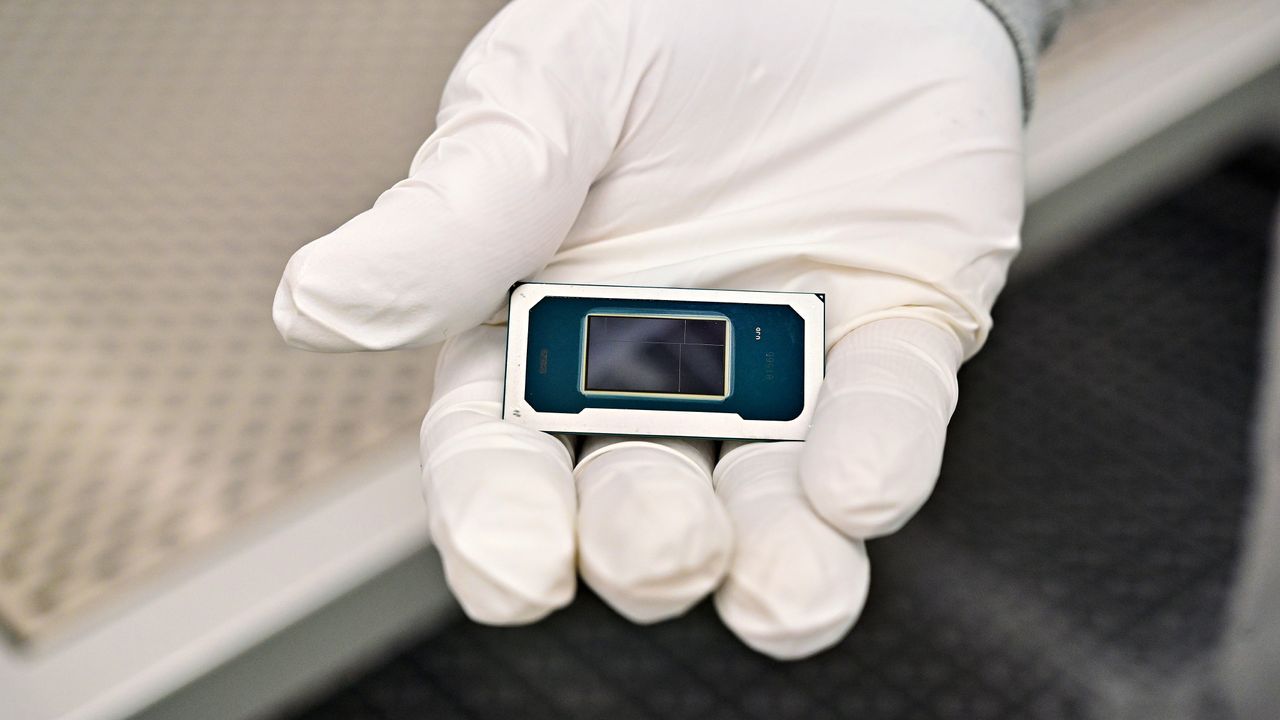
Intel's Core Ultra Series 3 "Panther Lake" chips made their official debut at CES 2026, and laptops featuring the chips have now launched. Coinciding with the release, Intel has delivered a new Intel Graphics Driver (32.0.101.8425/32.0.101.8362) for its Arc A-series and B-series discrete GPUs, as well as Core Ultra CPUs featuring integrated Arc graphics.
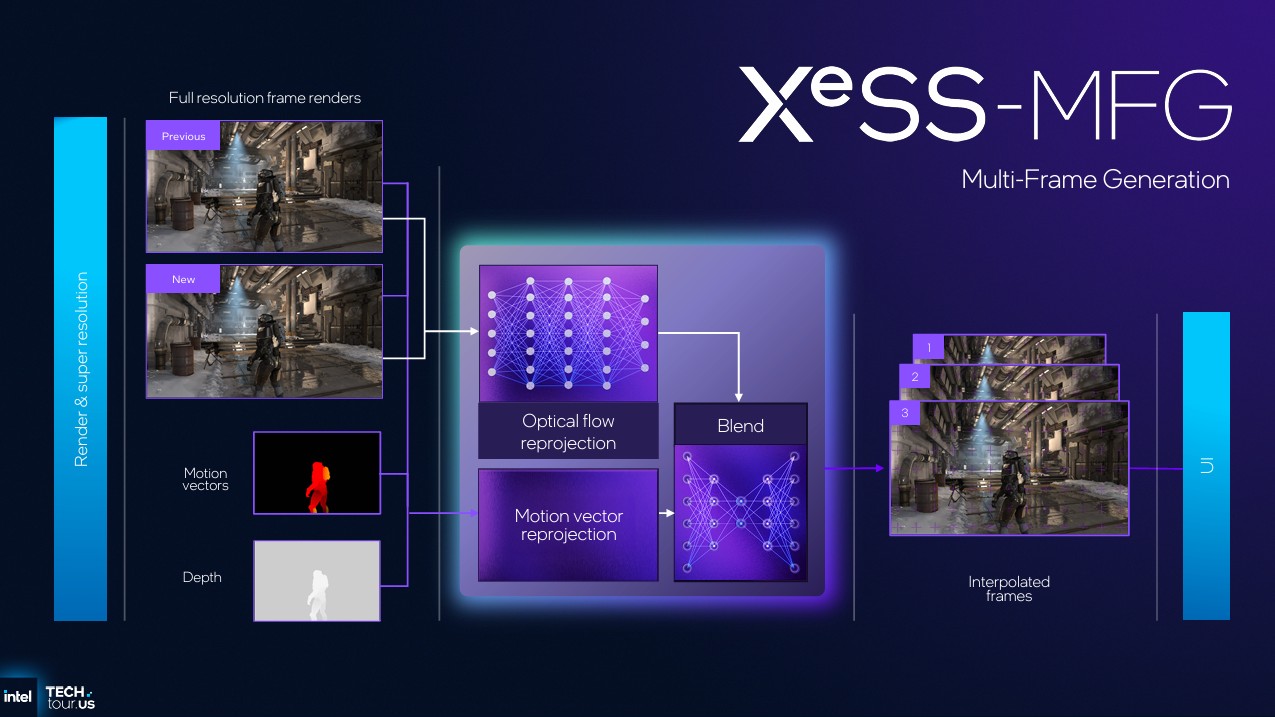
The biggest news coming out of this driver update is the addition of Intel XeSS 3 Multi Frame Generation (MFG) support. While XeSS Frame Generation has been around for a while with a 1:1 framing setup, XeSS 3's MFG can insert up to three AI-generated frames between two "real" frames. It's the same type of technology available with NVIDIA's DLSS 4; AMD's FSR 4 so far does not offer MFG.
It's important to note that it's not just the latest Panther Lake chips that can now harness XeSS 3 MFG. The update extends to integrated graphics in Meteor Lake, Lunar Lake, Arrow Lake-S, and Arrow Lake-H mobile chips, effectively giving the older platforms a significant boost in the gaming department.
"Panther Lake" seems like the exact boost that Intel needed
The review embargo for Intel's next-gen Core Ultra "Panther Lake" Series 3 mobile CPUs has come and gone, and the general temperature around the new chips is quite warm. With excellent efficiency, solid performance on and off the charger, and a significant upgrade for the integrated graphics, it certainly appears that Team Blue has come up with a big win.
Perhaps the biggest upgrade arriving with Panther Lake is the move to Intel Arc B-series Xe3 integrated GPUs, including the Arc B370 and Arc B390. Thanks to the separation of the GPU tile from everything else, Intel can scale up the graphics independently from the rest of the chip.
As former Windows Central laptop expert Zachary Boddy wrote after they got an inside look at the Intel factory in Chandler, AZ, last year, the Panther Lake iGPU's new third-gen Xe cores bring "upgraded ray tracing cores, improved vector engines, increased memory bandwidth and reduced memory bottlenecks, massively enhanced platform tuning to better allocate and use GPU resources, and other advancements."
Boddy got the chance to test XeSS 3's MFG at the Intel Tech Tour, noting that they were "more impressed than with NVIDIA's implementation of the feature," mainly due to its responsive feel. As Boddy points out, games that already support XeSS 2 will immediately support MFG via XeSS 3, with the switch being controlled via the Intel Graphics Software app. Once you have the new driver installed, you should have roughly 45 games ready to test out with MFG.
Meanwhile, rumors suggest that AMD could stick with RDNA 3.5 graphics until 2029, leaving RDNA 5 reserved for "premium" devices. Is this Intel's opportunity to take over the mobile GPU market?

Are you excited to test out Intel's new XeSS 3 Multi Frame Generation? Have you already seen what it can do? Let me know in the comments below!

Follow Windows Central on Google News to keep our latest news, insights, and features at the top of your feeds!