Inspired by Darwin: Endless Forms at the Fitzwilliam Museum
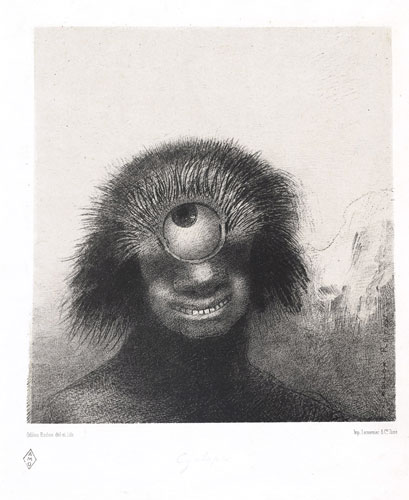
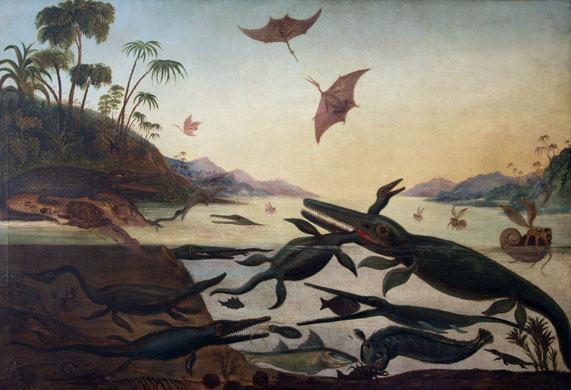
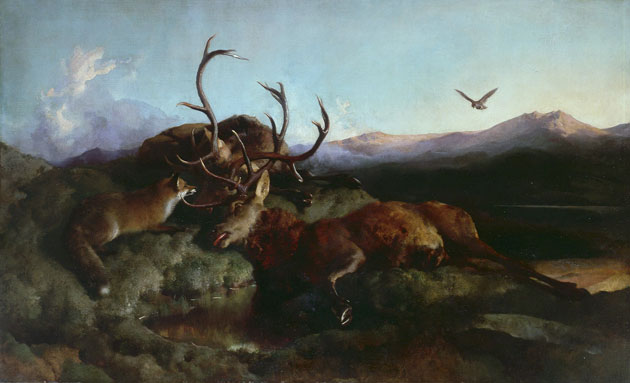
The Misshapen Polyp Floated on the Shores, a Sort of Smiling and Hideous Cyclops, by Odilon Redon, from Les Origines, 1883 Photograph: Museum of Fine Arts, Boston/The Fitzwilliam MuseumDuria Antiquior (An Earlier Dorset) by Robert Farren, circa 1850 Photograph: The Sedgwick Museum of Earth Sciences/The Fitzwilliam MuseumMorning by Edwin Landseer, circa 1853 Photograph: Philadelphia Museum of Art, The Henry P. McIlhenny /The Fitzwilliam Museum
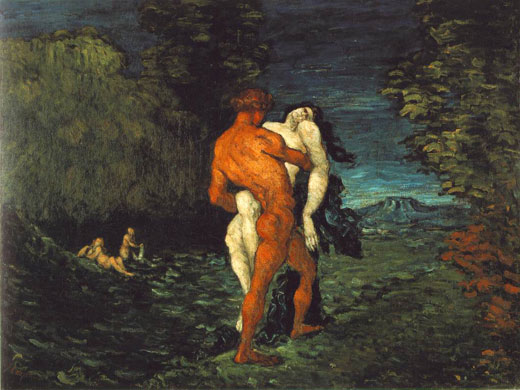
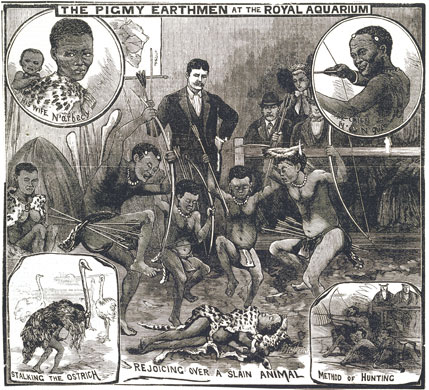
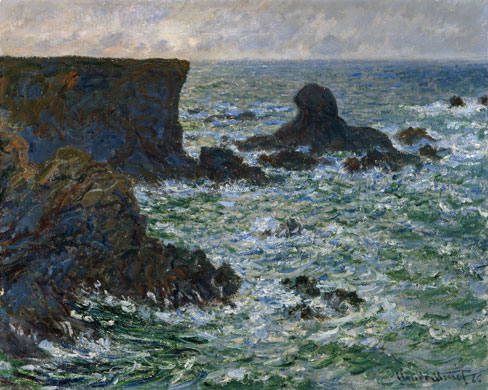
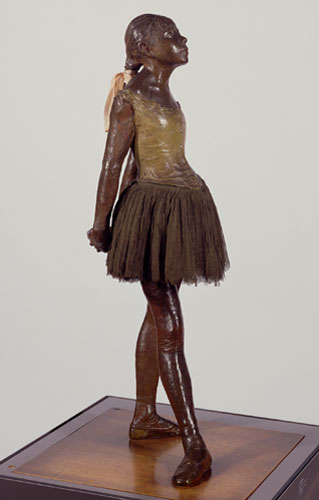
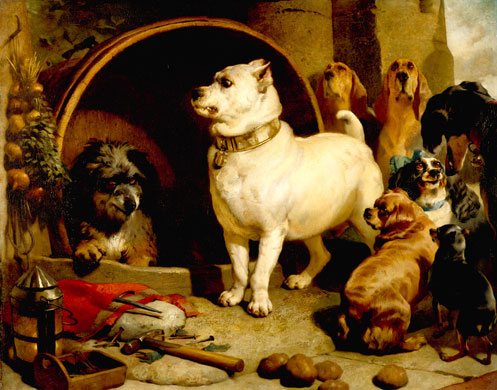
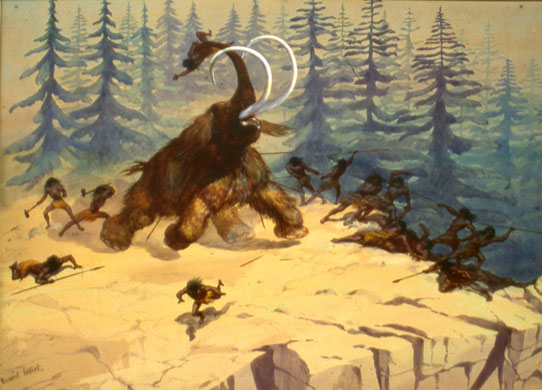
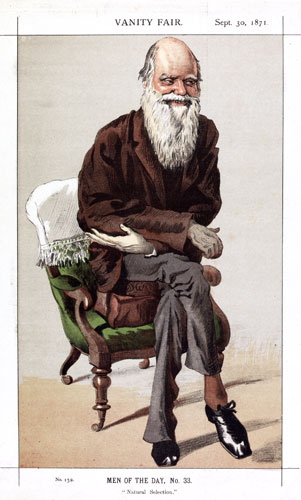
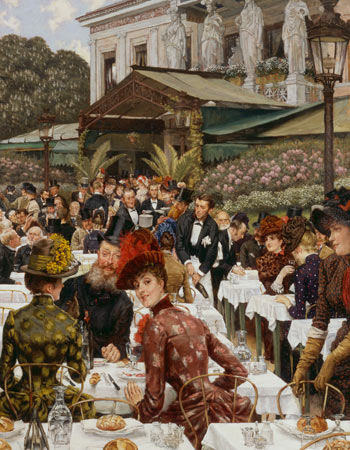
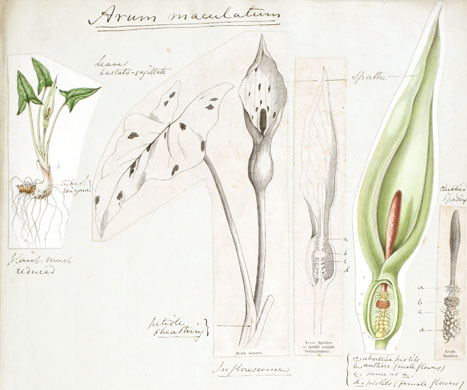
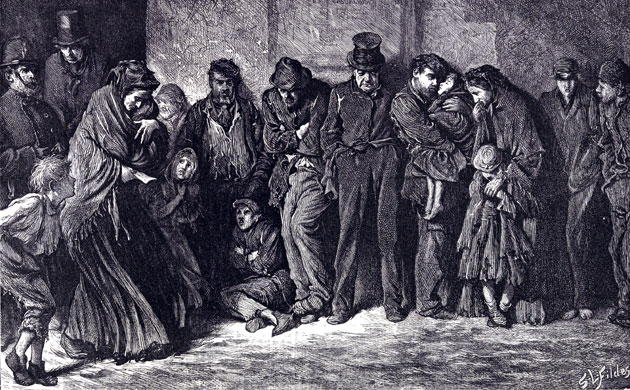
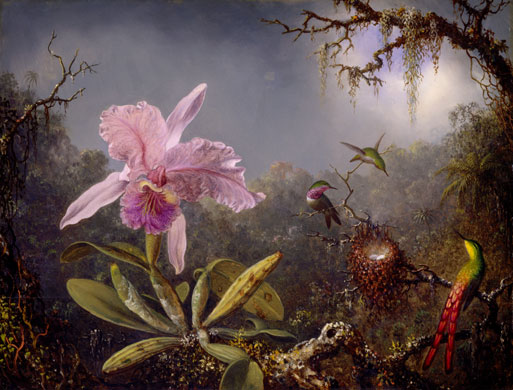
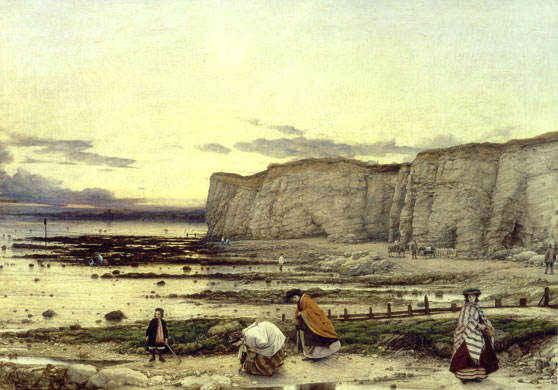
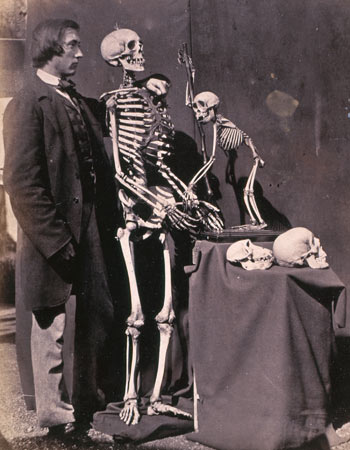
The Abduction by Paul Cezanne, 1867Photograph: Action imagesThe Pigmy Earthmen at the Royal Aquarium, 1884, wood engraving, Photograph: The Bodleian Library/The Fitzwilliam MuseumRocks at Port-Coton, the Lion Rock, Belle-Ile by Claude Monet, 1886Photograph: The Fitzwilliam MuseumLittle Dancer Aged Fourteen by Edgar Degas, bronze cast with fabric skirt, circa 1922, from an original circa 1878–81 in wax and mixed media Photograph: James Austin/Sainsbury Centre for Visual /Yale Center for British ArtAlexander and Diogenes by Edwin Landseer, exhibited 1848Photograph: Tate Gallery/The Fitzwilliam MuseumMammoth Hunters by Ernest Griset, circa 1869–71 Photograph: The Bromley Museum /The Fitzwilliam MuseumMen of the Day No. 33 by James Tissot, from Vanity Fair, 30 September 1871Photograph: Richard Caspole/The Fitzwilliam MuseumThe Artists' Wives by James Tissot, 1885Photograph: The Fitzwilliam MuseumA teaching sheet showing Arum maculatum (‘Lords and Ladies’) by John Stevens Henslow, 1836. The botanist and geologist Henslow was an early influence for Charles Darwin. Henslow introduced him to Captain Fitzroy of HMS Beagle Photograph: Department of Plant Sciences, University of Cambridge /The Fitzwilliam MuseumHouseless and Hungry by Luke Fildes, 1869, wood engravingPhotograph: Richard Caspole/Yale University Library /The Fitzwilliam MuseumCattleya Orchid and Three Hummingbirds by Martin Johnson Heade, 1871 Photograph: National Gallery of Art, Washington DC/The Fitzwilliam MuseumPegwell Bay, Kent – A Recollection of October 5th, 1858, by William Dyce Photograph: Tate gallery/The Fitzwilliam MuseumReginald Southey with Skeletons and Skulls, 1857-1859. A photographic portrait by Lewis CarrollPhotograph: The Fitzwilliam Museum
Sign up to read this article
Read news from 100’s of titles, curated specifically for you.